
Last updated November 18, 2026
 Hardwood
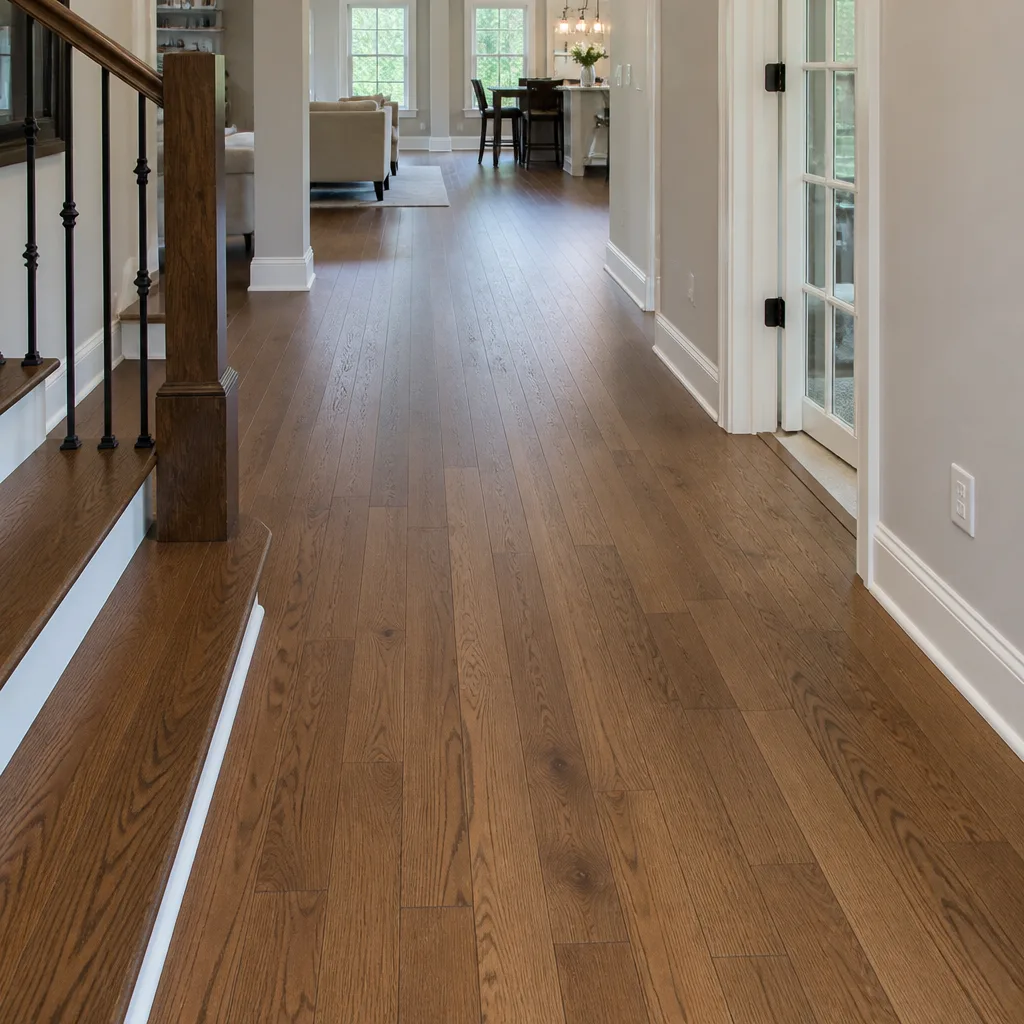 Engineered hardwood
 Luxury vinyl plank
 Laminate
 Porcelain tile
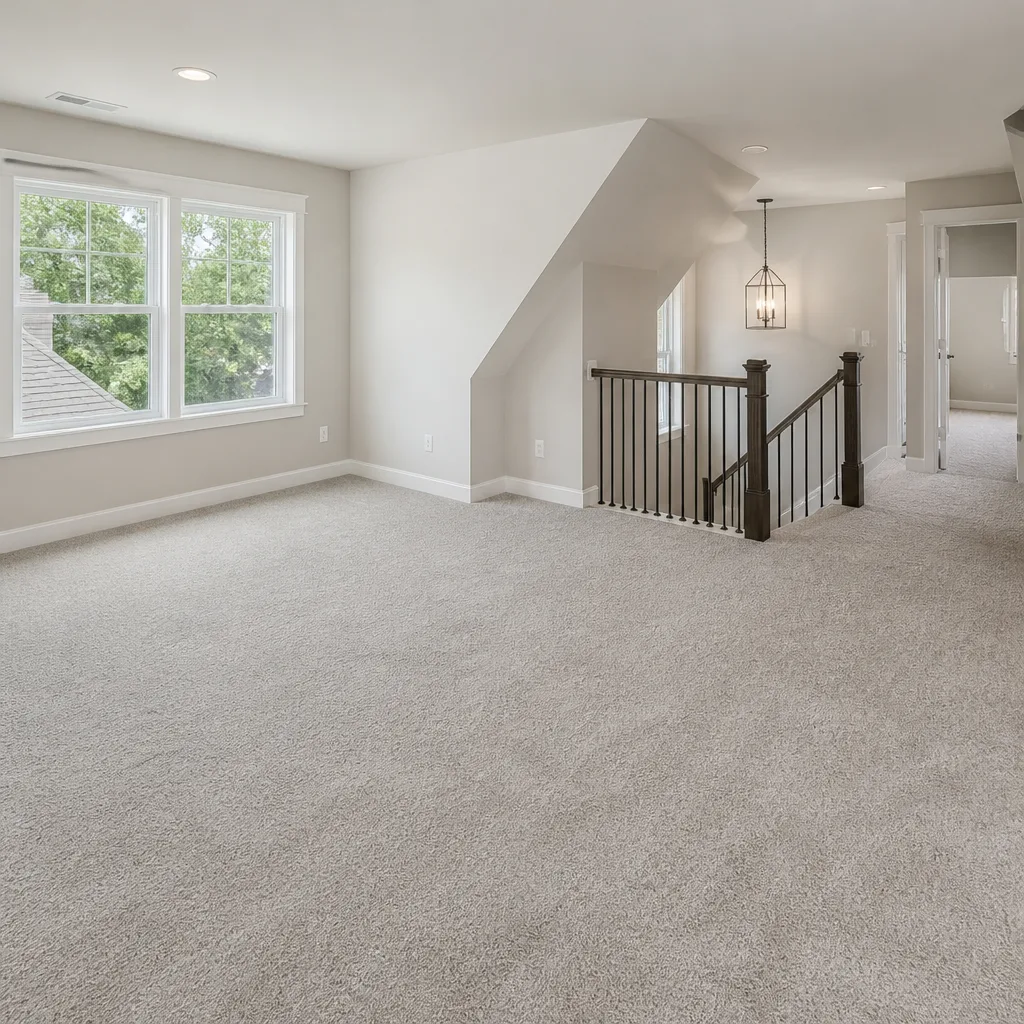 Carpet
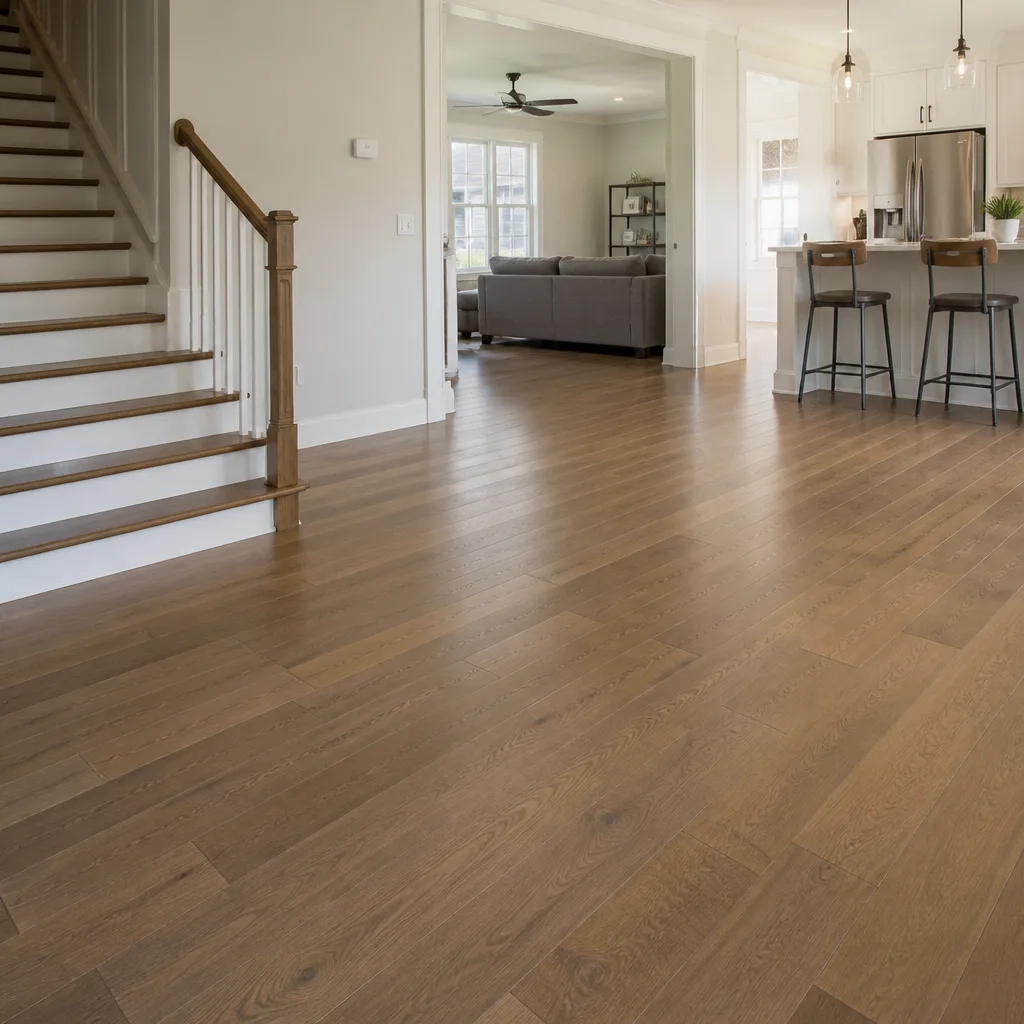 Shaw
 Mohawk
 COREtec
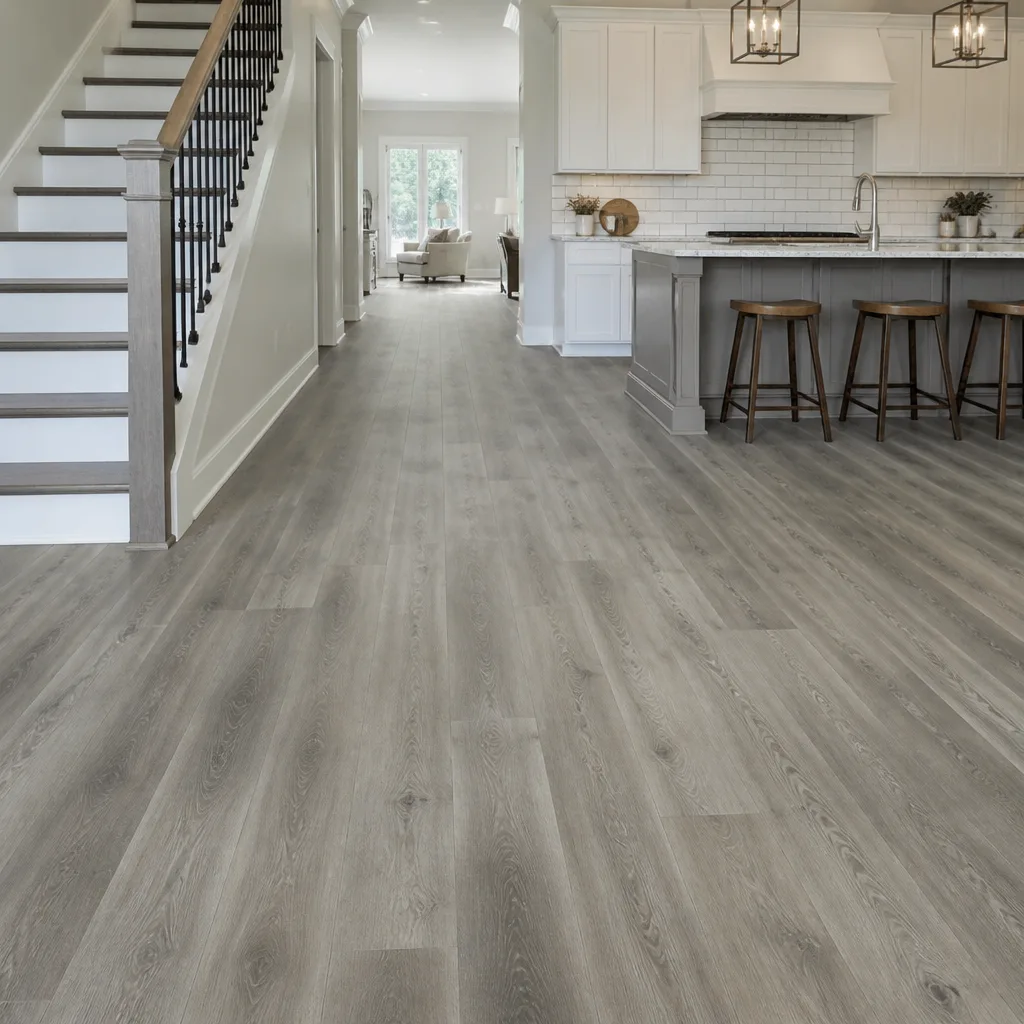 Pergo
Free in-home measure and written estimate: Shaw, Mohawk, COREtec and Pergo lines compared on your own rooms, with carpet, tile, vinyl plank, laminate and hardwood laid out side by side
Get your free estimateFlooring Installation Questions to Ask Before You Sign
“Are you licensed and insured?” is the flooring question everyone asks, and it’s the one most homeowners never actually verify. Contractors answer it reflexively, the answer sounds right, and the conversation moves on. The questions that reveal how a project will really go are the ones contractors don’t expect: who owns a wavy subfloor, what happens when the product warranty and the installation warranty point at each other, and whether the brand on the box actually authorizes the crew in your house. This guide gives you the exact wording, and it’s written from Las Vegas, where slab moisture and summer heat make some answers matter more than they do elsewhere.
Quick Answer
The most useful questions to ask a flooring contractor aren’t about time or price per square foot; they’re about accountability. Ask who is responsible for subfloor prep in writing, ask for a product warranty and an installation warranty as two separate documents, ask how brand authorization can be verified independently, and ask what a realistic schedule looks like in Las Vegas housing. A contractor who answers those four clearly is a contractor who owns the outcome. One who deflects to “existing conditions” or “we’ll see when we open it up” is telling you something too.
Styles & brands we work with
- Hardwood
- Engineered hardwood
- Luxury vinyl plank
- Laminate
- Porcelain tile
- Carpet
- Shaw
- Mohawk
- COREtec
- Pergo
Table of Contents
- 1. Subfloor Accountability: The Question That Reveals Everything
- 2. Brand Authorization: What It Means and How to Verify It
- 3. Warranty Specificity: Product Warranty vs. Installation Warranty
- 4. Timeline Accountability: What a Real Las Vegas Schedule Looks Like
- 5. The Post-Installation Walkthrough: What to Inspect Before You Sign Off
- 6. Climate Questions Specific to Las Vegas Homes
- 7. Reading the Written Estimate Like a Professional
- 8. Materials and Sourcing: Where Your Floor Actually Comes From
Subfloor Accountability: The Question That Reveals Everything
Ask this, word for word: “If the subfloor turns out to be out of tolerance after you pull up the old floor, what happens to the price and the schedule?” Listen closely. A weak answer is “we’ll deal with it when we get there” or “that would be extra, we can’t know until we open it up.” A strong answer names what prep the quote already includes, what triggers a change order, and what the added cost range looks like before the work starts. The difference matters because subfloor condition is the single biggest source of mid-project surprises in flooring.
In Las Vegas, most homes sit on slab, not a wood subfloor over a crawlspace. That changes the conversation. Slab floors can be uneven, can carry old adhesive residue, and can hold moisture that moves up through the concrete. A contractor who plans for slab prep from the start is a contractor who has installed floors in this valley before. One who assumes a flat, dry slab and prices accordingly is hoping, not planning.
Ask these follow-ups in the same conversation:
- What does the estimate include for subfloor prep? Grinding, patching, and moisture mitigation should be line items, not vague promises.
- Who pays if prep runs deeper than expected? Get the answer in writing with a stated range.
- Will you test the slab for moisture before installation? A yes should come easily and without a sales pitch attached.
- What’s your tolerance for flatness, and how do you check it? A real installer measures and can describe the tool.
- Do you handle the old floor removal and disposal, or is that on me? Confirm it explicitly so it doesn’t appear as a surprise charge.
The wording that should worry you is “existing conditions.” It sounds professional and means nothing. It shifts every unknown onto you after you’ve signed. Ask instead for the conditions they’ve assumed and the price if those assumptions turn out wrong.
Brand Authorization: What It Means and How to Verify It
“Are you an authorized installer for Shaw or Armstrong?” is a fair question, and the answer deserves scrutiny. Brand authorization generally means a manufacturer has reviewed the installer’s training, insurance, and workmanship record and formally recognizes them for that product line. It can affect how warranty claims get handled down the road. Ask for the specific brands covered, not a general “we work with all the major brands” answer.
Here’s where most homeowners stop too early: they accept the contractor’s word. You can verify. Manufacturer websites typically list authorized installers by ZIP code or region. Ask the contractor for the brand names and check the manufacturer’s own locator yourself. It takes a few minutes and settles the question. If a contractor claims authorization for a brand that doesn’t list them, that’s worth a direct follow-up question.
Why this is worth the effort: at Las Vegas Flooring Installation, we install nine brands including Shaw, Daltile, Karndean, and Armstrong, and different brands have different installation requirements. Karndean, for instance, is a design-led luxury vinyl line that demands exacting installation standards; a generic installer who treats it like any plank floor can void the very warranty the homeowner paid for. Daltile brings professional-grade tile sourcing to residential projects, and that sourcing channel is not something every installer has. Ask which brands the contractor is set up to source and install well, then ask how you can verify it.
Numbered way to check:
- Ask the contractor for the exact brand and product line they’d install, in writing.
- Go to the manufacturer’s website and use their authorized installer locator.
- Search the contractor’s name in that locator for your region.
- Ask the contractor to explain any gap between their claim and what you found.
- Get the brand name and product line written into the estimate.
Warranty Specificity: Product Warranty vs. Installation Warranty
Ask this: “Am I getting a product warranty, an installation warranty, or both, and are both in writing?” These are two separate things, and confusing them is how homeowners end up stuck when something goes wrong. A product warranty comes from the manufacturer and covers defects in the flooring itself. An installation warranty comes from the installer and covers workmanship: seams that open, tiles that lift, planks that rock because the subfloor wasn’t prepped. Many flooring failures trace back to installation, not the product, and a manufacturer will routinely deny a claim if the installation didn’t follow their requirements.
So ask the specific questions:
- Who is the installation warranty from, and how long is the term? Get the document, not a verbal promise.
- What voids the installation warranty? Common answers include moisture the homeowner didn’t disclose, furniture moved onto the floor too soon, or cleaning products outside the manufacturer’s guidance.
- If a claim comes up, who do I call first, and who handles the manufacturer paperwork? The answer should be a specific person or process, not “we’ll take care of it.”
- Is the installation warranty transferable if I sell the home? This matters in a market like Las Vegas with high turnover.
We can’t and won’t speak for a manufacturer’s warranty terms here, because those are set by the brand and the specific product you choose. What we can tell you is that both documents should exist, both should be written, and the written estimate should name the exact product the coverage applies to. If a contractor can’t hand you both, that’s your answer.
Timeline Accountability: What a Real Las Vegas Schedule Looks Like
“How long will it take?” is the most-asked and least-useful question in flooring. A better version: “Give me the sequence from signing to final walkthrough, including what waits on what.” The honest answer starts with an in-home measure and estimate, followed by a written price, a booked install day, and a schedule that depends on materials landing and prep being finished. “We’ll start when materials arrive” is not a schedule, it’s a placeholder. Ask what happens if materials arrive late or arrive damaged, and who absorbs that delay.
A realistic Las Vegas flooring project flows through several stages:
- In-home measure and estimate: we walk the space, check the subfloor, and talk through product options. Free, with no obligation.
- Written estimate: line items for materials, prep, removal, and labor, with a stated price.
- Product selection and sourcing: brand and product line confirmed in writing.
- Subfloor prep day: grinding, patching, moisture work, and cleanup before any material comes in.
- Installation day(s): the booked window, set at the estimate visit after we see the space.
- Walkthrough and sign-off: the moment you inspect before the final payment clears.
Two things make flooring schedules slip in Las Vegas specifically. One is product delivery timing, since not every brand line sits in local stock. The other is slab moisture: if a test shows elevated moisture, the schedule has to build in mitigation before the floor goes down. A contractor who mentions those two factors before you ask is being straight with you.
The Post-Installation Walkthrough: What to Inspect Before You Sign Off
The walkthrough is your leverage. Before you sign the completion document or pay the balance, walk the whole floor slowly and look for the details a rushed installer hopes you skip. This is the one part of the project where a homeowner can catch a problem while the crew is still on site and it’s still fixable.
What to inspect, in order:
- Seams and pattern alignment: look along the floor at a low angle with a light. Carpet seams should be tight and placed where traffic and lighting won’t exaggerate them. For plank and LVT, check that pattern repeats are staggered, not aligned in a grid. Karndean and similar design-forward lines are unforgiving of a careless repeat pattern.
- Transition strips: where flooring meets doorways, thresholds, or a different floor material, the transition should sit flush and clean, with no gaps or rocking. Press down on each one.
- Expansion gaps: check along walls and fixed objects. The floor needs room to move with temperature, and in a Las Vegas summer that movement is real. A floor laid tight against the wall can buckle later. Don’t hide a gap, cover it correctly with trim, but don’t let anyone tell you the gap isn’t needed.
- Tile lippage: run your hand across tile joints. A tile edge that catches your finger is a lippage issue. A little is normal; a lot should be raised before sign-off.
- Grout and caulk lines: even width, no cracks, and clean transitions at corners.
- Hollow or loose spots: tap across the floor with a knuckle. A hollow sound under tile or plank means it isn’t bonded.
- Nicks, scuffs, and leftover debris: inspect at eyeball level, and check under furniture edges where glare hides damage.
Do the walkthrough in daylight, not in the final minutes of a long day. Take your time. Note anything you find, in writing, and ask when it will be corrected. A good crew will fix it without drama, because they’d rather fix it before leaving than come back.
Climate Questions Specific to Las Vegas Homes
“How does this product handle a Las Vegas summer, and what’s the plan for slab moisture?” Most homeowners don’t ask either question, and both matter here. Las Vegas is desert, but desert doesn’t mean dry concrete. Slab-on-grade construction can carry moisture up through the concrete, and that moisture interacts with flooring differently depending on the material. A floor that goes down over a wet slab can cup, lift, or fail, regardless of how good the product is. The installer’s plan for measuring and managing slab moisture is part of what you’re paying for.
The other side is heat and sun. Rooms with large windows facing west or south get hot floors in summer. That matters for product choice and for how the installation plan treats expansion. Ask:
- Do you test slab moisture, and what do you do if it’s high?
- Does this product have specific temperature or sun-exposure guidance? Ask the brand and product line, and read the product documentation before you sign.
- How do you handle expansion in rooms with big sun exposure?
- What’s the plan for the transition from a finished space to a garage or patio? These are the thresholds that fail first.
- Does the installation approach change for a home that sits empty for part of the year? Empty homes don’t get climate-controlled, and floors feel it.
We install flooring across Las Vegas and the surrounding valley, and the slab-moisture conversation comes up on nearly every estimate. If a contractor brushes past it, ask again, and ask for the answer in writing.
Reading the Written Estimate Like a Professional
“What’s included, line by line, and what’s explicitly excluded?” That question alone separates a professional estimate from a one-line quote. The best flooring estimates spell out the product with brand and line, the quantity, subfloor prep included, removal and disposal of the old floor, labor, and any add-ons. The exclusions section is just as important: it tells you where surprise charges would appear later.
What a professional estimate typically shows, and what to ask about:
- Brand and product line named exactly: “vinyl plank” is not a product. A specific line from Shaw or Armstrong is.
- Square footage with measurement assumptions stated: ask how they measured, and whether the estimate accounts for waste factor.
- Subfloor prep line items: grinding, patch, moisture mitigation, leveling compound if needed.
- Removal and disposal of existing flooring: named, priced, and not sprung on you at the end.
- Furniture moving, baseboards, and trim: who handles it, and what’s the cost.
- Installation warranty terms: written, not verbal.
- Payment schedule: what’s due at signing, and what’s due at completion. Never the full amount upfront.
- Change-order process: how additional work gets priced and approved.
Above all: the price you agree to is the written estimate. Not a verbal number, not “about what we’d expect.” The written estimate sets the final price, and anything not in it is a change order. Read it slowly, ask about anything you don’t understand, and don’t sign until it’s clear.
Materials and Sourcing: Where Your Floor Actually Comes From
“Which brands are you set up to source and install well, and why those?” This question tells you whether you’re talking to a specialist or a generalist. A crew that installs anything and everything often sources whatever happens to be available, and the product you get is whatever was on hand. A specialist tends to work with a focused portfolio and knows the quirks of each brand.
At Las Vegas Flooring Installation, we install nine brands: Shaw, Mohawk, COREtec, Pergo, LifeProof, Mannington, Armstrong, Daltile, and Karndean. That portfolio means you can walk in with a product already in mind and we can install it, rather than steering you toward whatever’s nearby. We install COREtec and LifeProof product lines for water-resistant performance in high-traffic, high-moisture rooms, and Karndean for design-forward LVT work that needs a careful hand. Daltile covers residential tile sourcing and professional-grade installation. And we refinish hardwood, so if the existing floor is wood rather than being replaced, that’s part of the conversation too.
When you ask a contractor about sourcing, listen for these answers:
- A named brand list, not “the major brands.” Which ones, specifically?
- Familiarity with the specific product line, not just the brand name. Lines have different installation methods.
- A straight answer on timing if the product isn’t local stock. What’s the lead time and what happens if it’s late?
- Willingness to install a product you’ve already researched, not a push toward whatever they prefer.
If you’ve been researching brands, you’re the customer this conversation is built for. Your floor, your brand, installed correctly. Read up on carpet installation and tile flooring installation before your estimate, and you’ll ask sharper questions.
Common Mistakes to Avoid
- Accepting “are you licensed and insured?” as a mutual understanding and moving on. Ask how to verify it, and check. This is the one question every homeowner asks and almost no one confirms.
- Treating the per-square-foot number as the full price. The per-square-foot quote often omits removal, disposal, subfloor prep, and trim. Compare full written estimates, not headline square-foot numbers.
- Skipping the subfloor-prep question because the space “looks flat.” A Las Vegas slab can look flat and still be out of tolerance or hold moisture. Ask about prep and testing before you sign.
- Assuming the product warranty covers the installation. Those are two separate documents. If the installer’s work caused the failure, the manufacturer may not cover it. Get both in writing.
- Signing off on the walkthrough without inspecting transitions and expansion gaps. These are the details that fail first. Do the walkthrough in daylight, take your time, and note anything you find.
- Letting “we’ll start when materials arrive” stand as a schedule. Ask for the sequence, what waits on what, and what happens if delivery slips.
- Choosing a contractor who sources whatever’s nearby over one who can source the brand you actually researched. If you know the brand you want, confirm the contractor can install that specific product line before you commit.
See the difference
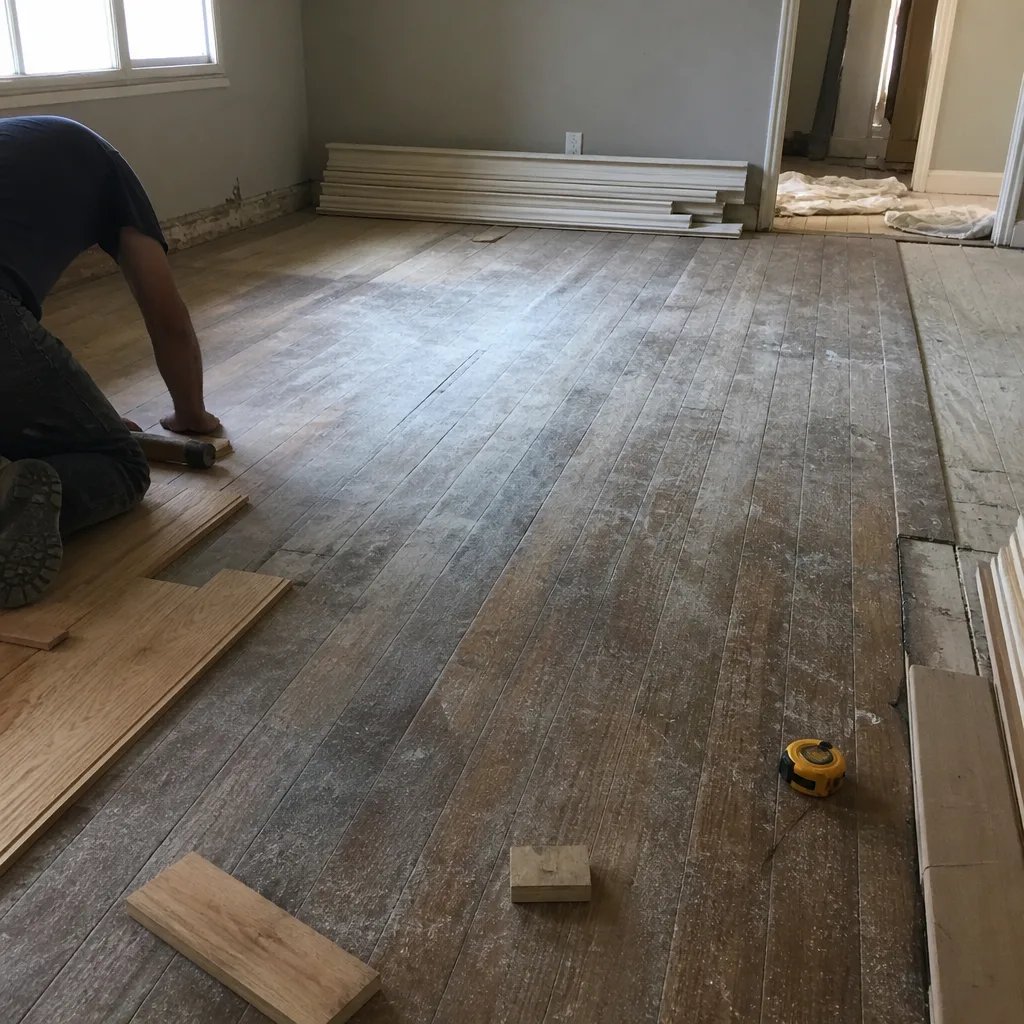 Before
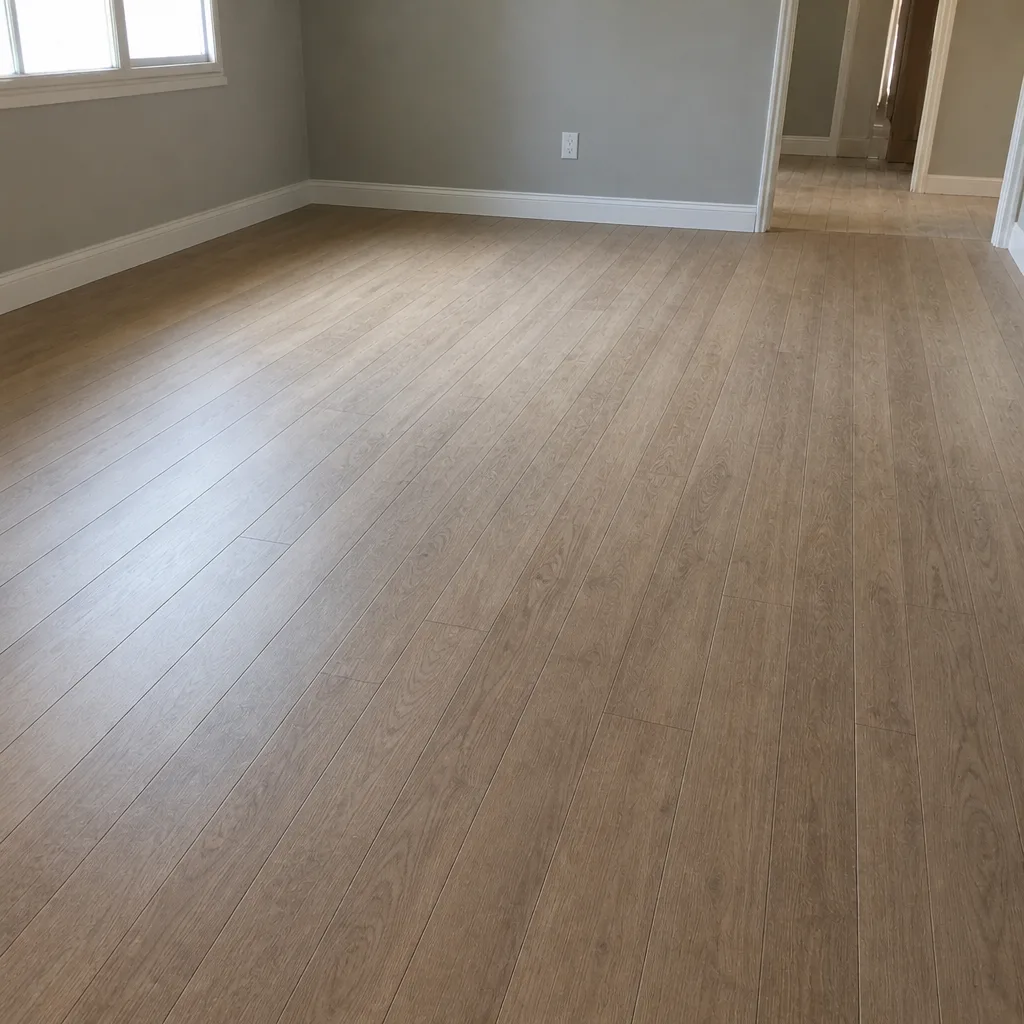 After
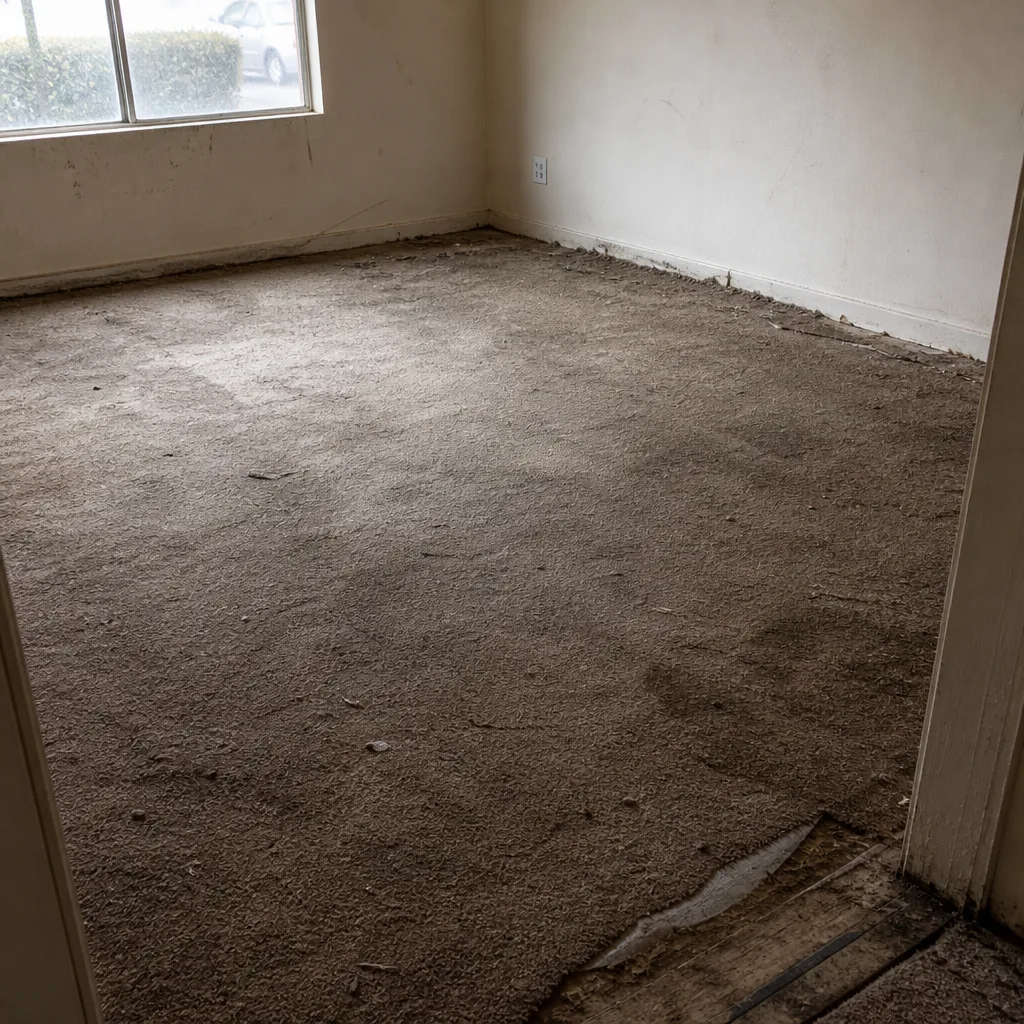 Before
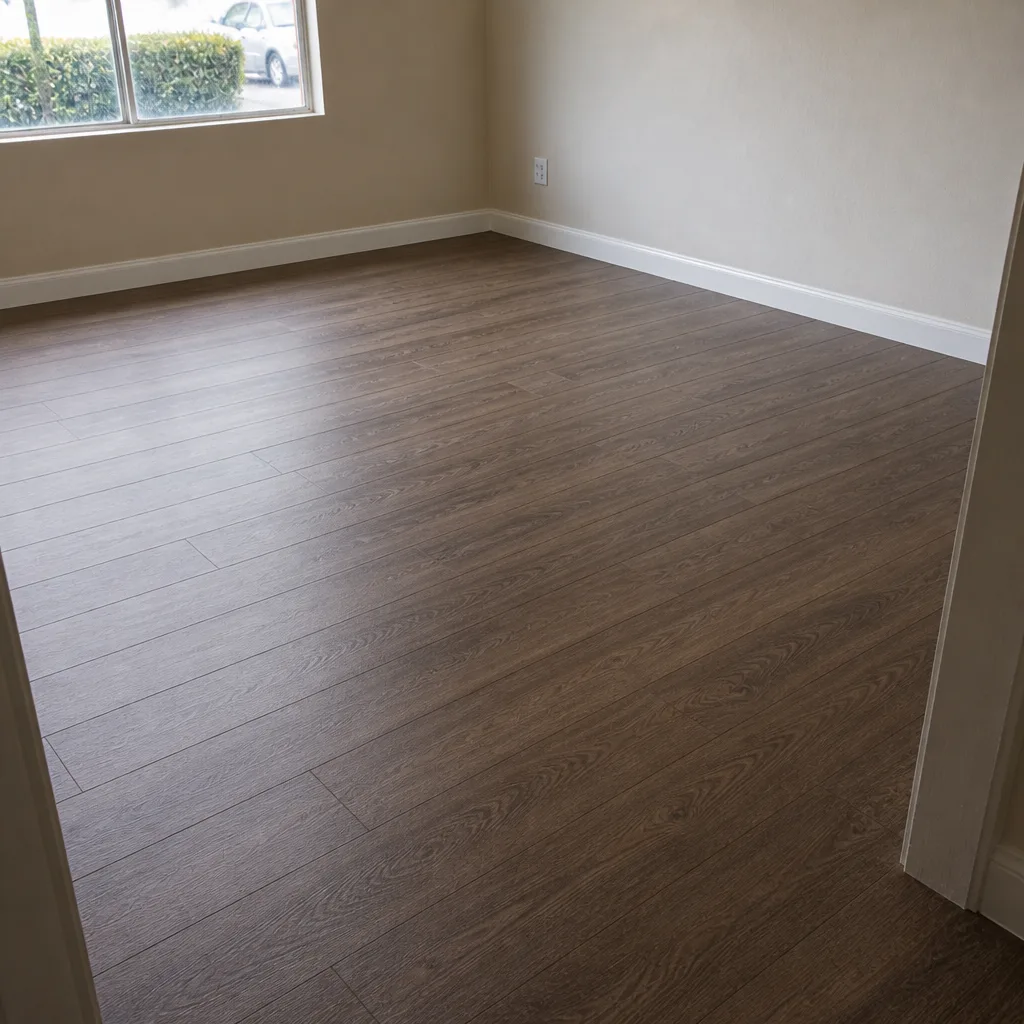 After
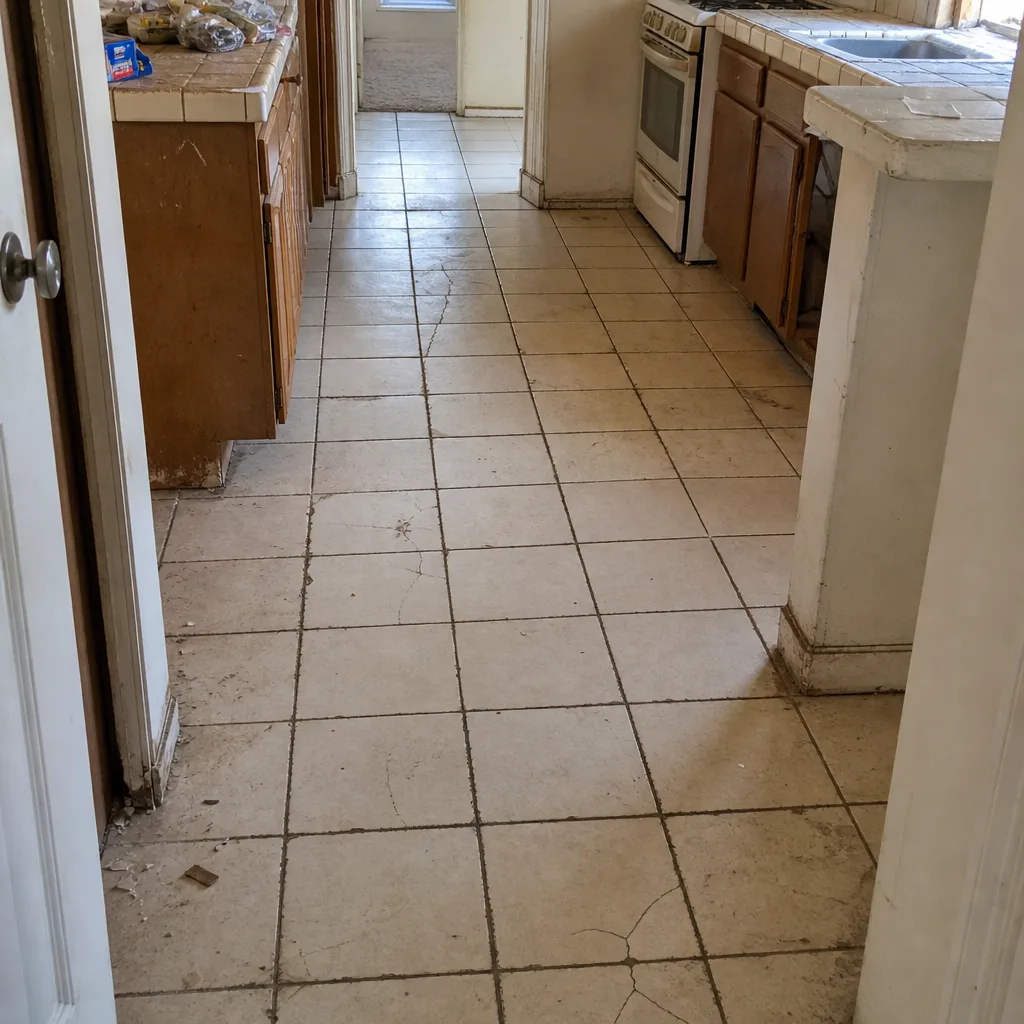 Before
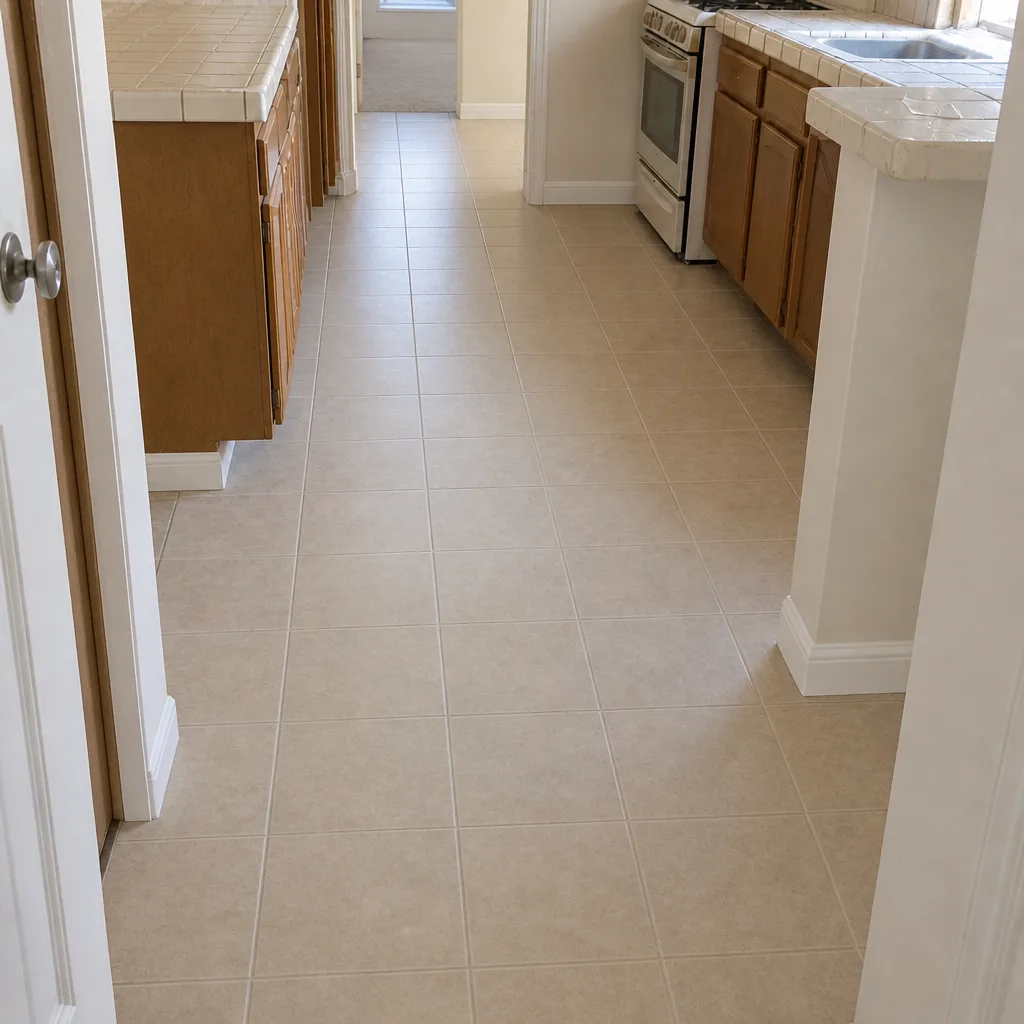 After
When to Call a Professional
Some jobs are reasonable to do yourself: a single room of peel-and-stick, or cleanup after a small repair. But most flooring work in Las Vegas is worth hiring out. Call a professional if you’re installing tile over a slab, if the existing floor needs to come up and disposal is part of the job, if you’re refinishing hardwood (a job with real craftsmanship and safety considerations), if the subfloor condition is unknown, or if the space has ever had moisture or leaks. Those are the cases where the questions in this guide matter most, and where a bad installation gets expensive.
Las Vegas Flooring Installation offers free estimates in Las Vegas. Call (888) 268-1308 to schedule yours. We answer 24/7, with fast dispatch from 7am to 7pm, Sunday through Friday. We’ll walk your space, check the subfloor, talk through the brands you want, and hand you a written estimate with the price set in writing.
Frequently Asked Questions
The most important is how they handle subfloor conditions after the old floor comes up. Ask what’s included in prep, what triggers a change order, and the cost range if the subfloor is worse than expected. The answer tells you whether the contractor owns the outcome or will deflect to “existing conditions” after you’ve already signed. Ask it before the estimate is written, and get the answer in writing.
Ask for the exact brand and product line in writing, then check the manufacturer’s own authorized installer locator by region. A real authorization should show up there. If it doesn’t, ask the contractor to explain the gap. Keep in mind that brand authorization differs from a product warranty: authorization tells you the manufacturer recognizes the installer; the warranty is a separate document about the product. Get both, and keep both. Call (888) 268-1308 for a free estimate and ask us which brands we’re set up to install.
A product warranty comes from the manufacturer and covers defects in the flooring material; an installation warranty comes from the installer and covers workmanship. You want both, in writing. Most flooring failures trace to installation rather than the product, and a manufacturer can decline a claim if installation didn’t follow their requirements. Ask who handles a claim first, what voids each warranty, and whether the installation warranty transfers if you sell the home.
It depends on the product, the square footage, subfloor prep, and whether the floor is existing to be removed. The sequence is a free in-home measure, a written estimate, product sourcing, a prep day, a booked installation window, and a final walkthrough. That schedule is set at the estimate visit, not over the phone, because subfloor condition and material delivery can move it. Call (888) 268-1308 to book your free estimate and get the sequence for your space.
No. Per-square-foot quotes vary in what they include, and comparing them directly can mislead you. Ask for a full written estimate with line items for product, prep, removal and disposal, trim, and labor, plus an exclusions section. That gives you an apples-to-apples comparison. The written estimate sets the final price; anything beyond it should come through a change-order process you’ve agreed to in advance.
Check transitions, expansion gaps, seam placement, tile lippage, and hollow spots, and do it in daylight. Press on every transition strip, run your hand across tile joints, and tap with a knuckle to listen for hollow areas. Look at carpet seams along a low light angle. For plank flooring, check that pattern repeats are staggered, not aligned. Write down anything you find and ask when it will be fixed before the final payment. Call (888) 268-1308 if you’d like a free estimate first.
The Bottom Line
The questions that separate a good flooring contractor from a mediocre one aren’t the ones everybody asks. They’re about accountability: who owns the subfloor, what each warranty actually covers, whether the brand authorization can be verified, and what the schedule looks like from signing to sign-off. Ask them in writing, and read the answers before you sign anything. A contractor with nothing to hide will answer all four without hesitating. Your floor, your brand, installed by someone who can prove they’re set up to do it right. Call (888) 268-1308 for a free estimate in Las Vegas.
Written by the team at Las Vegas Flooring Installation.