
Last updated November 18, 2026
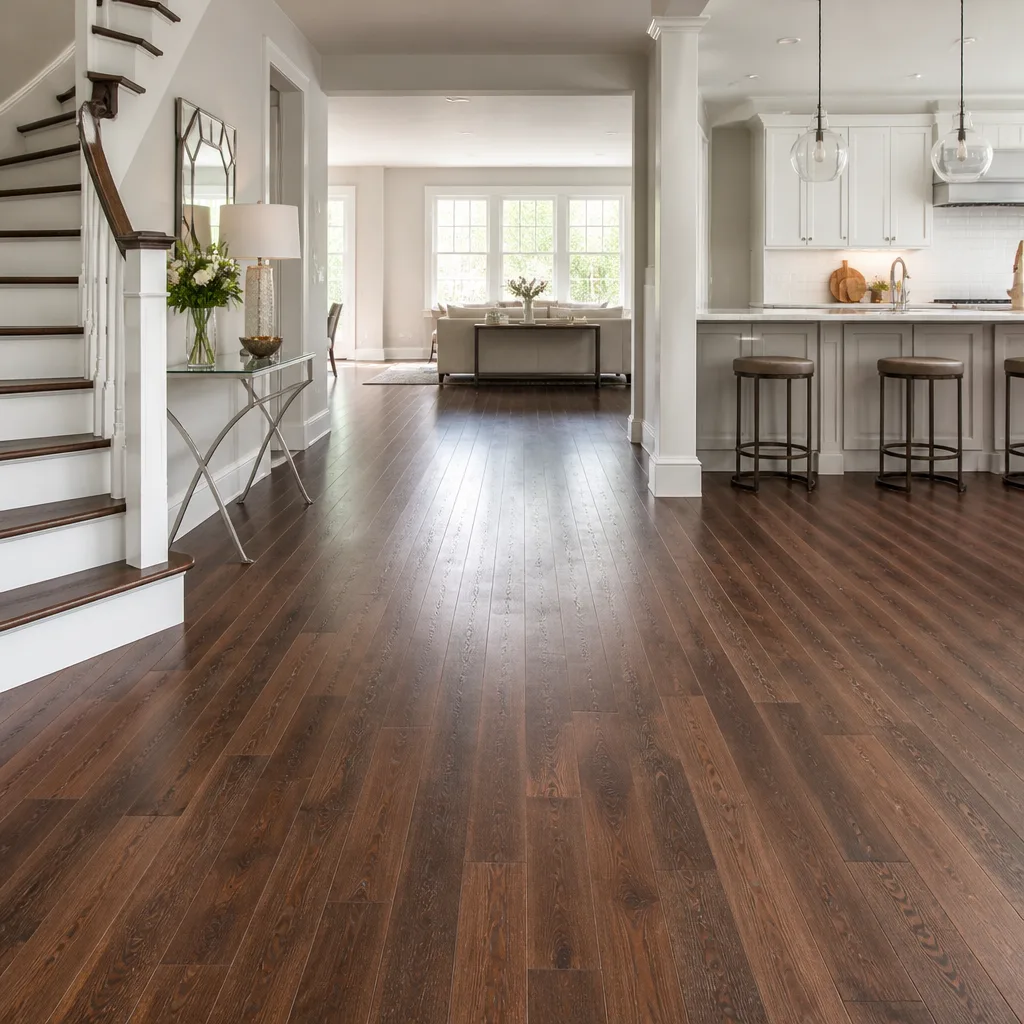 Hardwood
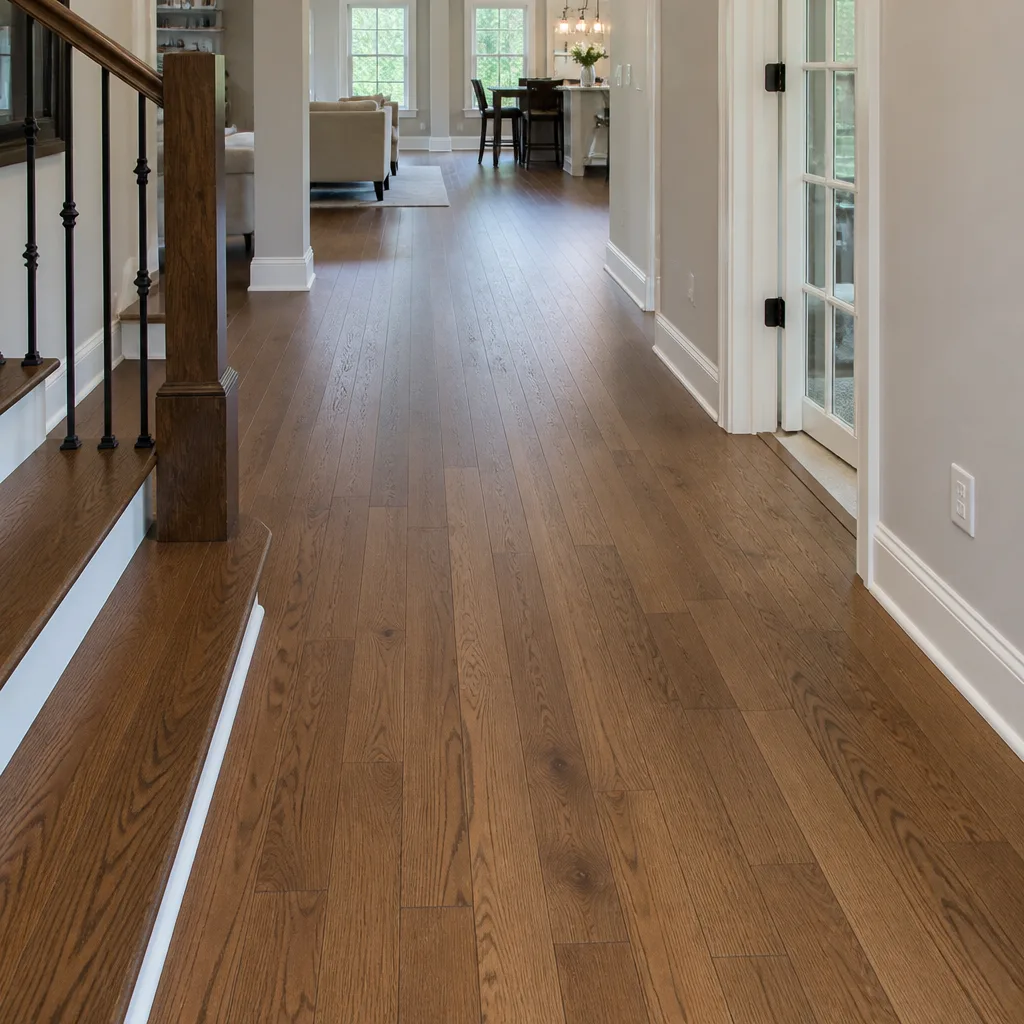 Engineered hardwood
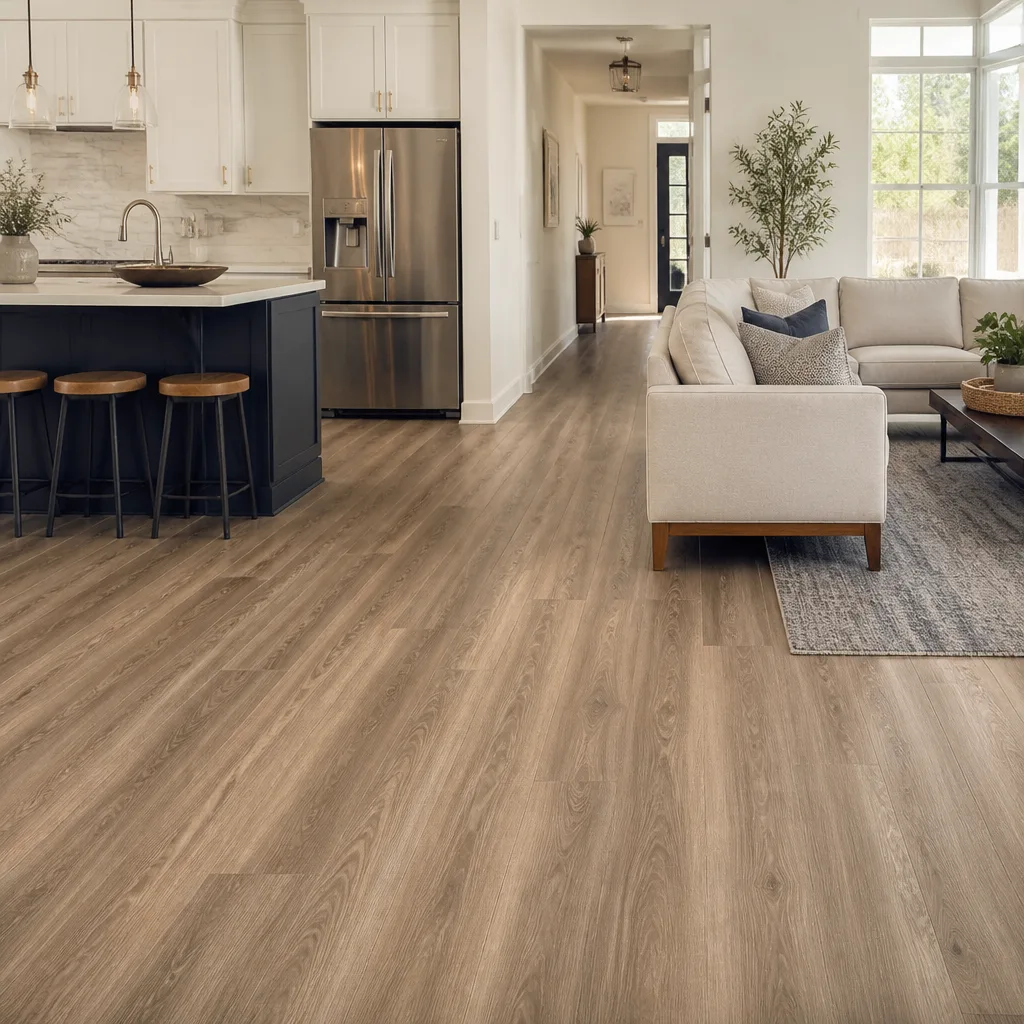 Luxury vinyl plank
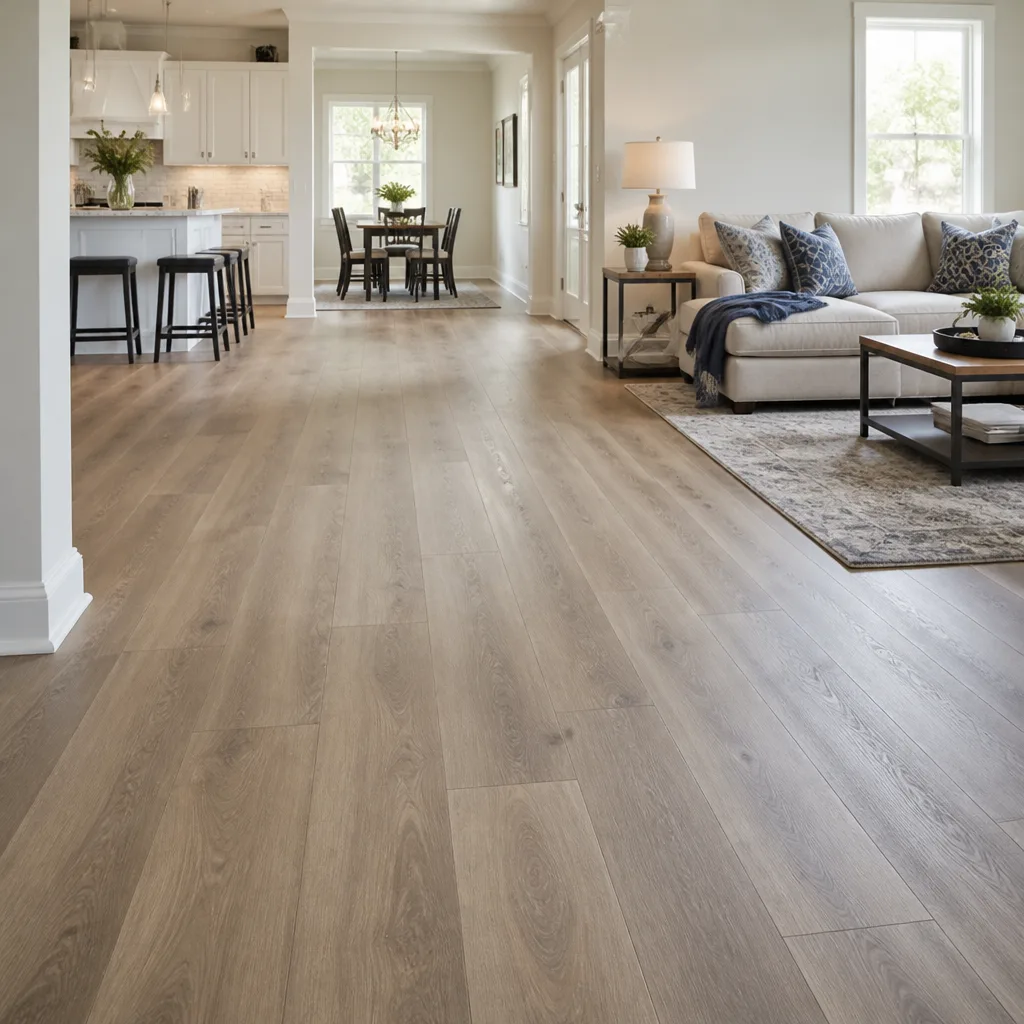 Laminate
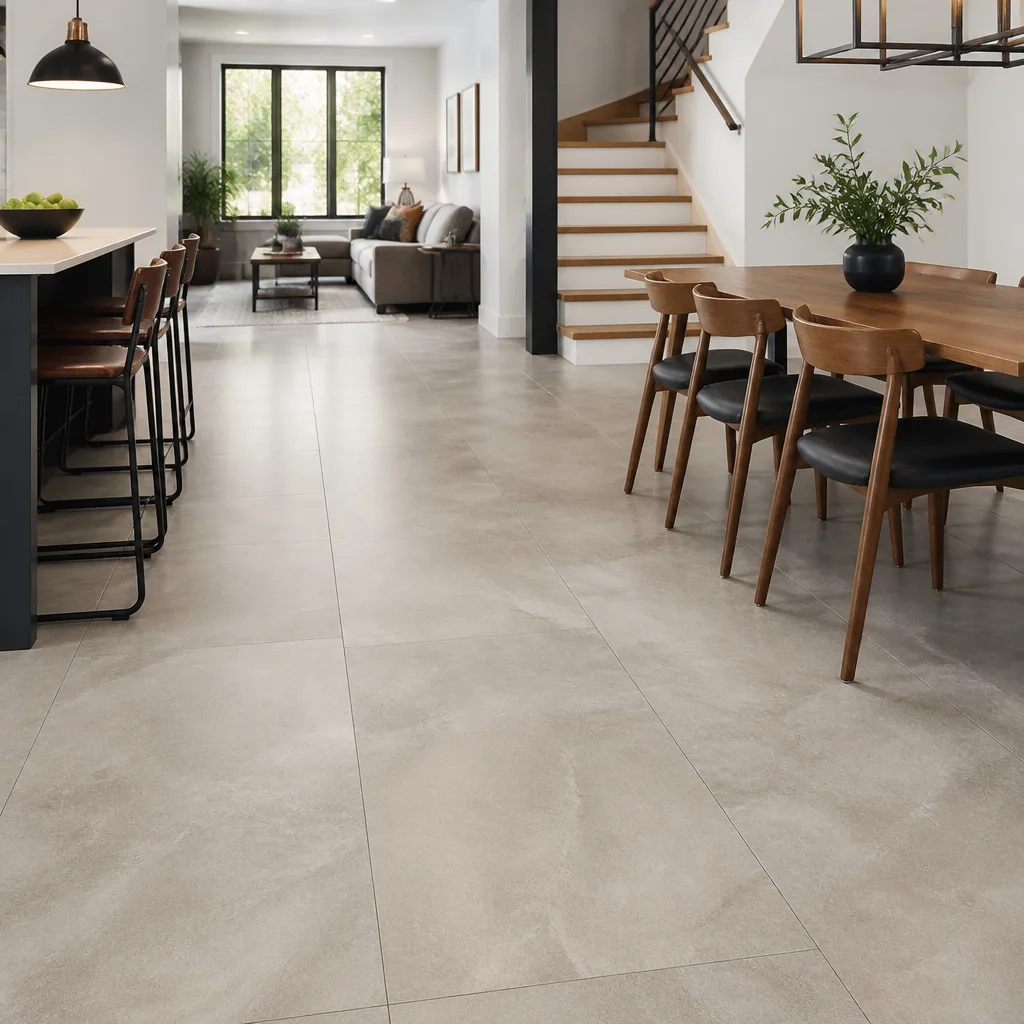 Porcelain tile
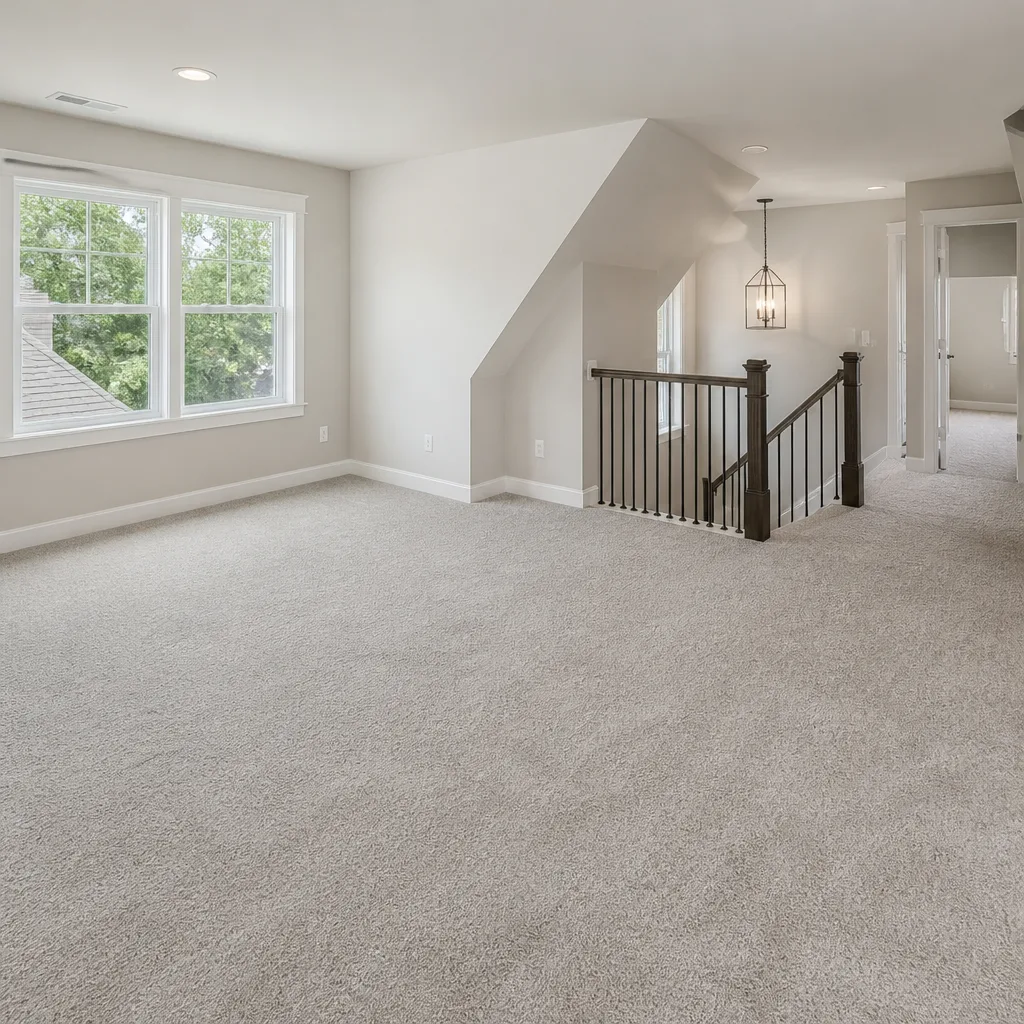 Carpet
 Shaw
 Mohawk
 COREtec
 Pergo
Free in-home measure and written estimate: Shaw, Mohawk, COREtec and Pergo lines compared on your own rooms, with carpet, tile, vinyl plank, laminate and hardwood laid out side by side
Get your free estimateFix It or Start Over: Flooring Repair vs Replacement
Most flooring advice treats repair versus replacement as a budgeting question. Add up the repair, compare it to the replacement, pick the lower number. That math is the easy part, and it’s usually the wrong place to start. The first question is whether the floor can be repaired at all. In Las Vegas, that question turns on things you can’t see from the surface: the slab underneath, the thickness left in the wood, the pad under the carpet, and whether the damage was ever about the surface in the first place. This guide walks through how to tell cosmetic damage from structural damage, which floors are worth saving, and when a partial fix ends up costing more than starting clean.
Quick Answer
Repair a floor when the damage is cosmetic or local and the underlying structure – slab, subfloor, pad, wear layer – is sound. Replace it when the damage traces back to movement, moisture, or a failed installation, because patching the surface over an unresolved cause rarely holds. In Las Vegas, slab construction and very dry air tilt more decisions toward figuring out the root cause first, and sometimes toward full replacement, since cracked tile and gapped wood here often signal a substrate issue rather than a wear issue.
Styles & brands we work with
- Hardwood
- Engineered hardwood
- Luxury vinyl plank
- Laminate
- Porcelain tile
- Carpet
- Shaw
- Mohawk
- COREtec
- Pergo
Table of Contents
- Cosmetic, Structural, or Installation Error: How to Tell
- The Wear-Layer Test: Can Your Hardwood Be Refinished?
- Tile Decisions: When Grout Repair Is Enough and When It Isn’t
- Carpet and Pad: Why Replacing One Without the Other Is a False Economy
- The Hidden Cost of Partial Replacement: Dye Lots, Discontinued Patterns, and Matching
- Why Las Vegas Slabs Change the Repair Calculus
- What Repair and Replacement Typically Cost
- A Step-by-Step Way to Make the Decision
Cosmetic, Structural, or Installation Error: How to Tell
Before you price anything, sort the damage into one of three buckets. The bucket determines whether a repair is a real fix or a temporary patch, and in the third case it may determine who pays.
Cosmetic damage sits at the surface and doesn’t move. Scratches, scuffs, a dull finish, a single stained carpet seam, one chipped tile at the edge of a doorway. The floor is doing its job; it just looks tired. Cosmetic damage is the strongest candidate for repair, and often for refinishing rather than replacement on hardwood.
Structural damage moves. It’s tied to something happening under or around the floor: a slab that’s shifting, a subfloor that’s deflecting, moisture finding its way in, or a floor that’s been allowed to expand with nowhere to go. Signs include cracks that run in a line across several tiles, boards that cup or crown across a whole room, and gaps that open and close with the seasons. A structural problem doesn’t care how nice the new surface is. Put a fresh floor over a moving substrate and you’ll be back where you started.
Installation error is the one homeowners most often miss, and it’s the one with the most leverage. If tiles are coming loose because the thin-set wasn’t spread correctly, or carpet is rippling because it wasn’t stretched properly, or hardwood is buckling because no expansion gap was left at the wall, that’s a workmanship problem, not a wear problem. It may fall under the original installer’s warranty. It also means repairing the visible symptom without addressing how the floor was installed is a waste of money.
If you can’t tell which bucket you’re in, that’s normal. Some of it requires lifting a transition strip or reading the slab at an edge. That’s part of what an in-home estimate is for, and it’s why we look at the substrate before we quote a surface fix.
The Wear-Layer Test: Can Your Hardwood Be Refinished?
Hardwood is the one floor where repair can genuinely mean “restore to like-new,” which is why Las Vegas Flooring Installation treats refinishing as its own discipline rather than a service add-on. But refinishing has a hard physical limit: you can only sand away what’s there. Solid hardwood is typically milled at around 3/4 inch thick, and each full sand-and-refinish removes a thin layer of the surface. Once you’ve sanded through the wear layer down to the tongue-and-groove, there’s nothing left to refinish. At that point the floor is a replacement, not a repair.
Here’s the part most guides skip: in a dry climate like Las Vegas, floors often need more aggressive sanding to level out cupping, crowning, and seasonal gaps than they would in a humid region. That means each refinish can take off more material, and a floor that might survive four or five sandings elsewhere may only have two or three good refinishes left here. That’s not a reason to avoid refinishing. It’s a reason to refinish deliberately, at the right moment, rather than repeatedly chasing small imperfections.
How to tell where your floor stands:
- Check the thickness at an edge. Pull a floor register or look at a transition where the wood meets another surface. Solid 3/4-inch wood has the most room; engineered wood has a top wear layer measured in millimeters, and some engineered products can’t be sanded at all.
- Look for the tongue. If you can see the groove and tongue profile at an edge or a gap, the surface has been sanded close to its limit.
- Check for deep damage. Pet stains, water rings that have gone dark, and deep gouges don’t sand out. They have to be cut out and patched, which changes the math.
- Ask whether a screen-and-recoat is enough. If the wood is sound and only the finish is dull or scratched, a lighter refresh can buy years without removing meaningful thickness.
We can’t tell you from a photo whether your floor has one refinish left or none. That’s a judgment made at the estimate, with the wood in front of us and the thickness measurable.
Tile Decisions: When Grout Repair Is Enough and When It Isn’t
Tile is the floor homeowners most often want to repair when they should be asking a different question. Grout is a wear item. It cracks, stains, and erodes over time, and re-grouting or sealing a sound tile floor is a legitimate, cost-effective repair that extends the life of the installation. If the tiles are intact and firmly bonded and the only issue is the grout, repair is usually the right call.
Cracked tiles are a different story. A single cracked tile in a high-traffic spot can be impact damage – something heavy dropped on it. Replace that one tile and move on. But cracks that line up across multiple tiles, or cracks that radiate from a corner, or tiles that sound hollow when tapped, usually point to movement underneath: the slab flexing, a void in the thin-set, or deflection in a wood subfloor. That’s the case replacement alone won’t solve, because the new tile will crack the same way over the same moving substrate.
A practical tile decision tree:
- Grout cracking, tiles intact and bonded: repair. Re-grout, seal, done.
- One isolated cracked tile, no pattern: repair. Replace the tile, check the bond underneath while it’s out.
- Cracks in a line or cluster, hollow tiles, tiles lifting at edges: investigate the substrate before deciding. Patching tile over movement is money spent twice.
- Widespread tenting or lifting across a room: replacement, with the cause addressed first.
This is where a professional-grade tile source matters. Matching a replacement tile to an existing floor is much easier when the original is a current product from a line like Daltile rather than a discontinued one, and the installation standards for a repair are the same as for a full floor. Our tile flooring installation work starts with reading the substrate for exactly this reason.
Carpet and Pad: Why Replacing One Without the Other Is a False Economy
If your carpet is worn, matted, or stained, the instinct is to replace the carpet. The pad underneath is the part that matters more than most people realize. Carpet pad does the actual work of absorbing foot traffic, providing cushion, and holding the carpet’s backing off the subfloor. When pad compresses and degrades, the carpet on top loses its resilience no matter how new it is. New carpet over dead pad feels flat within a year and wears through faster at seams and traffic lanes.
There’s a second reason this matters in a dry climate. Las Vegas air is dry most of the year, and carpet and pad hold whatever dust, pet dander, and spills find their way in. An old pad underneath new carpet traps odors and particulate that no amount of cleaning the surface will reach. If the reason you’re replacing carpet is smell, allergen buildup, or pet history, replacing the carpet alone leaves the source in place. Pad comes out with the carpet, or the problem stays.
A short checklist before you decide:
- Pad compressed or crumbling at seams: replace both. The pad is done even if the carpet looks acceptable.
- Carpet worn in traffic lanes, pad still springy: a full replacement is still usually the better value, since re-stretching old worn carpet rarely pays off.
- Carpet fine, one room stained or damaged: a partial replacement is possible, but see the dye-lot section below before committing.
- Odor or pet history in the pad: replace carpet and pad together. This is not a cleaning problem at that point.
For research-ready homeowners who already know the brand they want, our carpet installation work covers the full range from value lines to premium names like Shaw and Mohawk, with the pad spec’d to the room rather than whatever’s on hand.
The Hidden Cost of Partial Replacement: Dye Lots, Discontinued Patterns, and Matching
Partial replacement sounds like the smart middle path: replace the damaged room, keep the rest, save money. Sometimes it is. Often it isn’t, and the reason is matching.
Carpet is dyed in lots, and lots change. A carpet manufactured this year may be a visibly different shade from the same carpet installed years ago, even with the same product name and color name. Tile is the same story: patterns get discontinued, dye lots shift, and a replacement tile that looks right in a photo can read as a patch in person. Hardwood has its own version, since natural variation between boards and between production runs means a patch may never blend.
When a perfect match isn’t available, you have three options, and only one of them is usually worth it:
- Full replacement of the affected floor area so the whole room reads as one surface. Often less expensive than a meticulous partial match that still doesn’t look right.
- Partial replacement with a deliberate design break – a transition strip, a change of material at a doorway, a border. Honest and intentional, rather than a visible patch.
- Chasing an exact match through discontinued-stock hunting. Occasionally possible, usually slow, and often ends in a compromise anyway.
Get the product name, color, and any lot information off the original installation before you decide. If you don’t have it, the estimate visit is where we identify what’s on the floor and tell you honestly whether a match exists. Nine trusted brands, one installation team means we can usually source a current equivalent – brands like COREtec and Karndean in particular have deep, current catalogs – but no one can source a discontinued lot that no longer exists.
Why Las Vegas Slabs Change the Repair Calculus
A lot of flooring advice is written for homes with wood subfloors and humid summers. Las Vegas homes are mostly built on concrete slabs, and the desert climate is dry most of the year. Both facts shift the repair-versus-replacement decision in ways a generic guide won’t tell you.
Slab movement shows up as tile cracks and wood gaps. Concrete slabs move, and in a hot, dry climate they can move enough to telegraph through a rigid floor. Hairline cracks in the slab are normal; cracks that open and close with the seasons are what cause tile to crack in lines and hardwood to gap. If that’s what you’re seeing, the floor is telling you about the slab. A surface repair without addressing that is a patch over a moving base.
Dry air pulls moisture out of wood. Wood shrinks as it dries, which is why gaps open in the dry season and sometimes close in the wet one. In Las Vegas that cycle is pronounced. It also means wood floors here can need more sanding to level out cupping and gapping, which brings us back to the wear-layer limit above.
Moisture from below is the other story. Slabs can pass moisture up into a floor, and while that’s less of a seasonal issue in the desert, it’s still a real one, especially at slab cracks and edges. Any floor covering that claims water resistance still needs the moisture from below managed. Water-resistant is not the same as waterproof, and a floor that’s wet from underneath needs the source handled, not just a new surface.
If you’re weighing a full floor replacement in Las Vegas, this is where the right product choice matters as much as the installation. Water-resistant luxury vinyl lines like COREtec and premium LVT like Karndean handle the dry-to-damp swing and high traffic well; carpet and hardwood have their own strengths. Your floor, your brand is the starting point – we install the floor you choose, and we’ll tell you at the estimate whether the slab underneath will support it.
What Repair and Replacement Typically Cost
Costs vary by floor type, room size, and what’s found under the surface, so treat these as typical ranges rather than quotes. The written estimate after an in-home visit sets the final price. What’s useful here is the shape of the decision: repair is usually cheaper, but only when it’s a real fix.
- Grout repair or re-grout, single room: repair. Lowest-cost option, and usually the right call when tile is sound.
- Single tile replacement: repair. Small scope, but cost depends on whether a matching tile exists.
- Hardwood refinish, per room: restoration. Priced by square footage and how much leveling the floor needs; refinishing is only possible if enough wear layer remains.
- Partial carpet replacement, one room: middle ground. Watch the dye-lot matching issue before committing.
- Full room replacement, carpet or vinyl: new floor. Price depends on product line and whether pad, underlayment, or subfloor prep is needed.
- Full room replacement, tile: new floor. Includes removal, substrate prep, and setting materials.
Two things change the total more than anything else: what needs to happen under the new floor (substrate prep, slab crack treatment, pad replacement), and whether the product is a current line or a discontinued one you’re trying to match. Both get identified at the estimate. Estimates are free, and we give you a written price before any work is scheduled.
A Step-by-Step Way to Make the Decision
Work through these in order. Most homeowners find the answer somewhere in the first four steps, and the last two settle the rest.
- Identify the damage type. Cosmetic, structural, or installation error. If it moves, it’s structural. If it looks like a workmanship problem, find out whether the original installer’s warranty covers it.
- Find the root cause. A slab crack, a moisture source, a missing expansion gap, a failed thin-set. If you can’t fix the cause, the repair won’t last.
- Check whether the floor is repairable. For hardwood, measure the remaining wear layer. For tile, check whether matching tile exists. For carpet, check whether the pad is sound and the lot is available.
- Price both paths honestly. Include the hidden costs of a partial match: replacement of a larger area to avoid a visible patch, plus substrate prep on the replacement side.
- Weigh appearance against lifespan. A perfect partial match that still looks like a patch may be worth less than a full replacement that reads as one floor.
- Get a written estimate for both options. A good estimate tells you what a repair buys you in years and what a replacement includes under the surface.
If the answer is replacement, the brand choice is yours. If you already know you want a water-resistant luxury vinyl from COREtec or a design-forward LVT from Karndean, that’s the conversation to have. If you want to compare carpet lines, Shaw and Mohawk are both in our range. We install and service the floor you choose across carpet, tile, and hardwood refinishing, so one team handles the whole project rather than three.
Common Mistakes to Avoid
- Repairing a symptom and leaving the cause. Patching buckled hardwood or cracked tile over a moving slab guarantees the same failure again. Find the root cause before you spend on the surface.
- Refinishing hardwood that’s already at its limit. In Las Vegas’s dry air, aggressive sanding to level cupping can eat the remaining wear layer fast. Check the thickness before committing to a refinish.
- Replacing carpet without replacing the pad. New carpet over compressed or odorous pad feels flat quickly and keeps the source of a smell problem in place. Pad goes with carpet.
- Chasing a discontinued match. A partial replacement that’s visibly mismatched can cost more than a full room replacement. Confirm the lot or pattern is current before you bank on matching.
- Assuming water-resistant means waterproof. Moisture from below a slab still has to be dealt with, even under a water-resistant vinyl floor. Handle the source.
- Missing the warranty angle on a failed installation. Loose tile, rippled carpet, and gapped wood are often workmanship issues. Check the original installer’s warranty before paying for a repair.
See the difference
 Before
 After
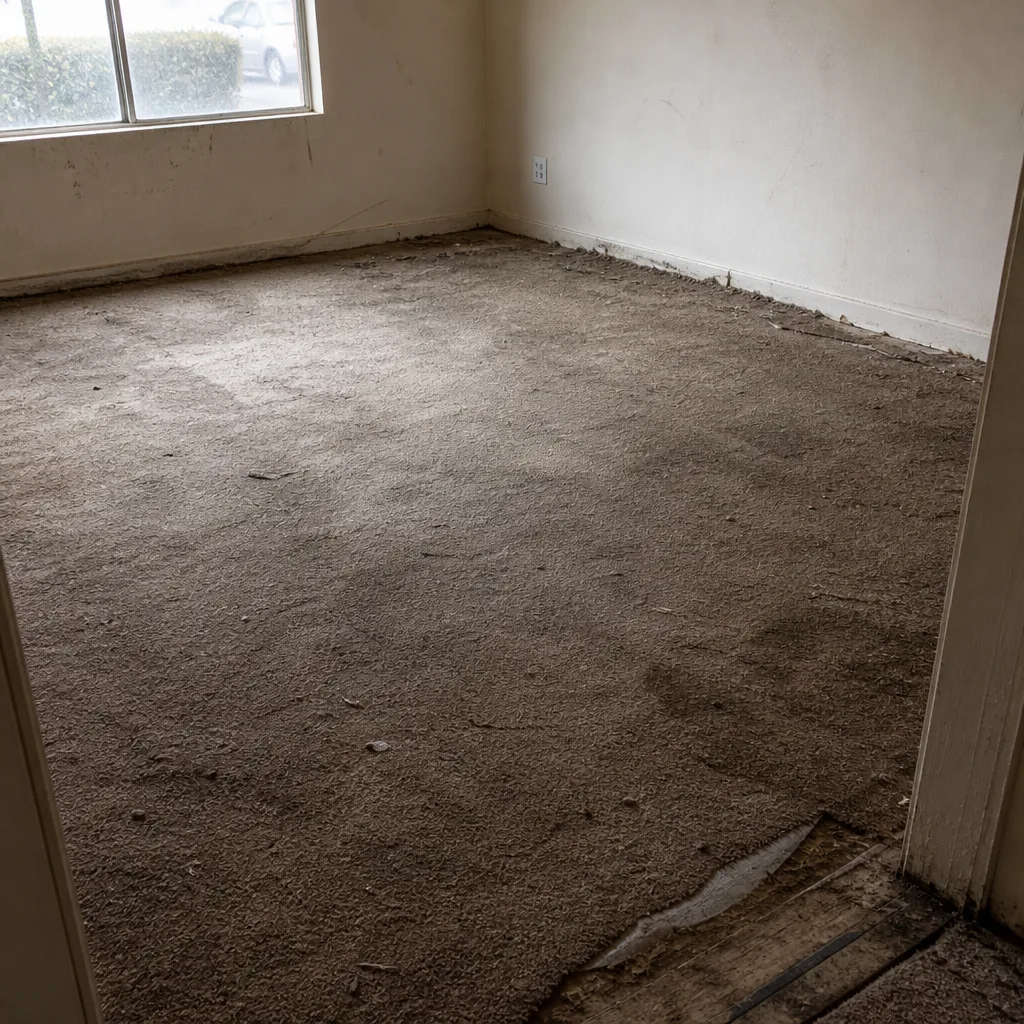 Before
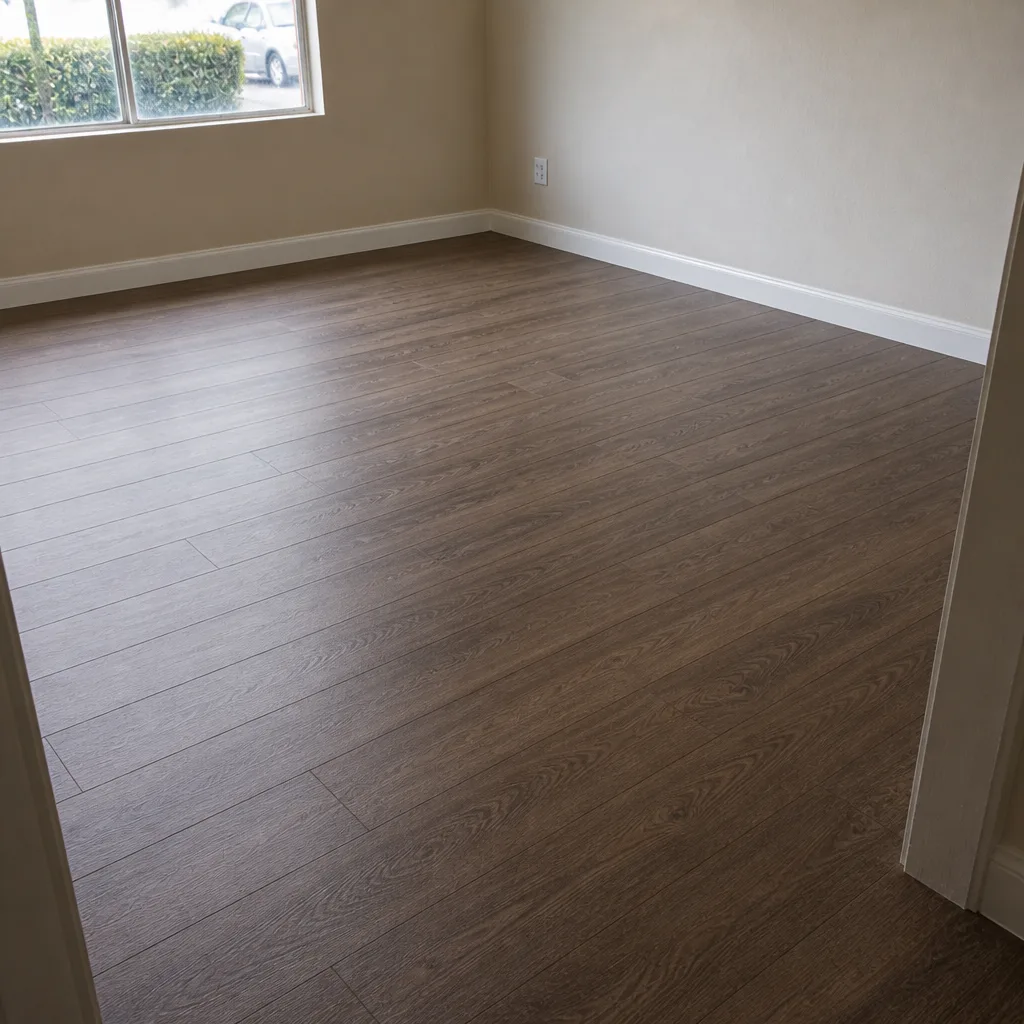 After
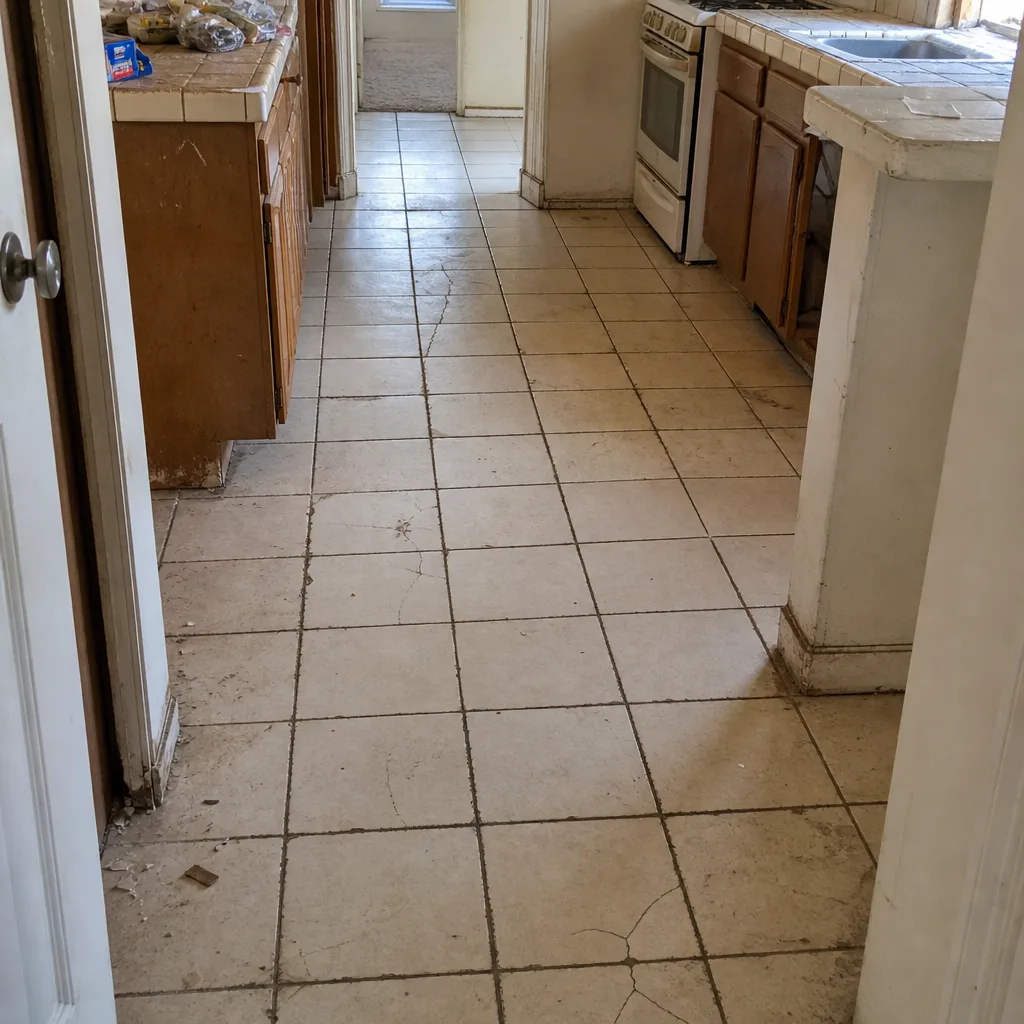 Before
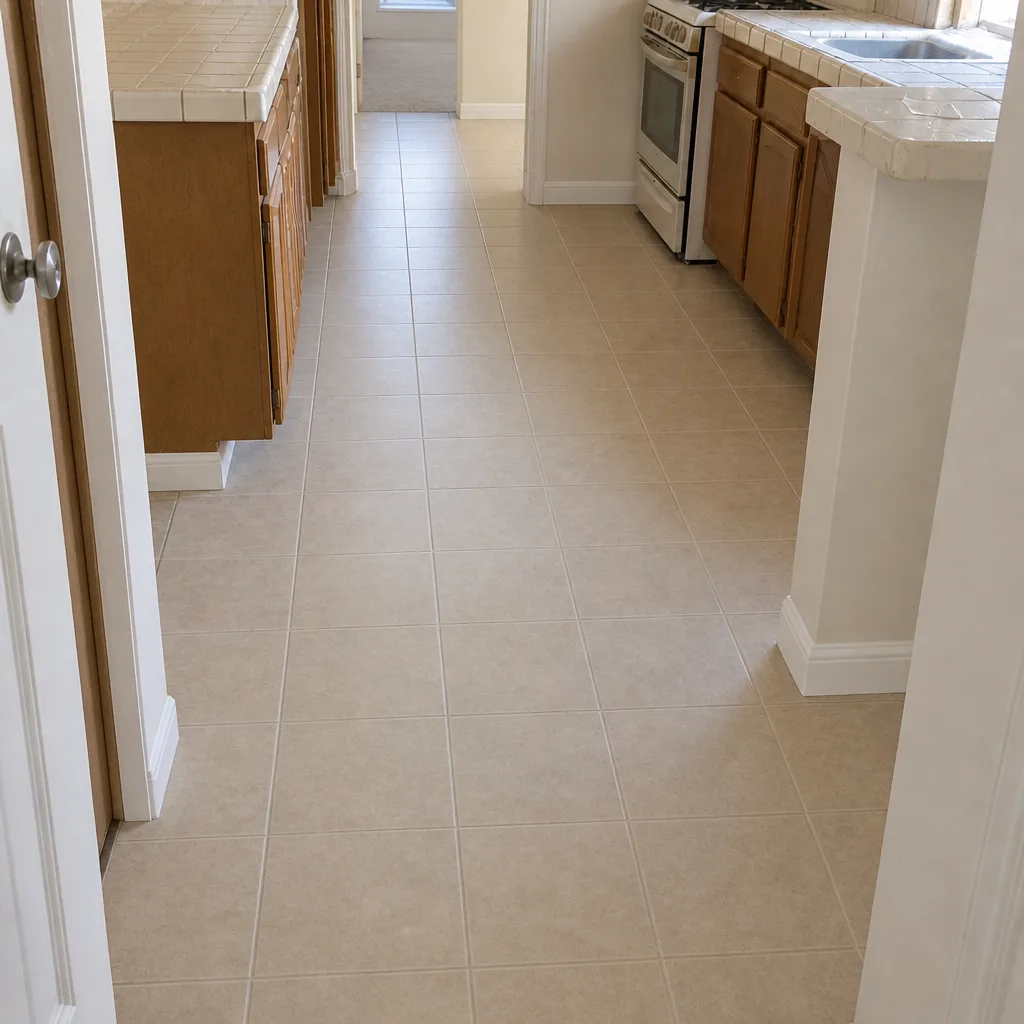 After
When to Call a Professional
Call a professional when the damage moves, when you can’t identify the cause, when a repair involves more than one or two tiles, or when you’re considering a partial replacement and need to know whether a match exists. Call before you refinish hardwood, because the wear-layer check is the whole decision and it’s easy to ruin a floor that had one refinish left by sanding it too far. Call when the carpet is over a pad that’s compressed or holding odor. And call when you’re weighing replacement, since the estimate needs to include what’s under the floor, not just what’s on it. Las Vegas Flooring Installation offers free estimates in Las Vegas – call (888) 268-1308. Our technicians have up to 15 years of experience, and we meet you where you are: if you already know the brand you want, we’ll talk product, prep, and schedule.
Frequently Asked Questions
Repair is usually cheaper when the damage is cosmetic or local and the underlying structure is sound. It’s more expensive in the long run when the damage traces back to slab movement, moisture, or a failed installation, because the same failure returns. Price the root-cause fix alongside the surface fix before deciding.
Sometimes. One isolated cracked tile can often be replaced and the floor saved. But cracks that run in a line or cluster across several tiles usually signal slab movement, and a tile repair over a moving slab will crack again. That’s a case where the substrate has to be addressed, and call (888) 268-1308 for a free estimate to see which you’re dealing with.
It depends on the thickness of the wood and its condition. Solid 3/4-inch hardwood has the most room; engineered flooring may have a wear layer too thin to sand. In Las Vegas’s dry air, more sanding is often needed to level seasonal cupping, which takes off more material per refinish. We check this at the estimate rather than guess.
Only if the pad is genuinely sound, which is less common than people expect. Compressed or crumbling pad makes new carpet feel flat and wear faster, and pad is where odor and pet history live. In a dry climate, replacing pad is the only way to remove that buildup entirely.
Carpet and tile are made in dye lots, and lots change, so the same color name from a later production run may be visibly different. Patterns and hardwood production runs vary too. A perfect match isn’t always available, and a visible patch can be worse than a full room replacement.
It depends on the floor, the scope, and what’s found under the surface. Grout repair and single-tile replacement are the lowest-cost repairs; refinishing is priced by area and how much leveling the floor needs; replacement includes substrate prep and pad. The written estimate after a free in-home visit sets the final price – call (888) 268-1308.
The Bottom Line
Repair versus replacement is a question about the floor’s structure first and its cost second. If the substrate, wear layer, and pad are sound, a repair is a real fix and the cheaper path. If the damage moves, comes from below, or was caused by the original installation, a surface repair is a patch over a problem that will return. In Las Vegas, slab construction and dry air push more decisions toward finding the root cause before the surface. Check the wear layer, check the pad, confirm the match, and get both options priced in writing. Then choose with your eyes open.
Call (888) 268-1308 to schedule your free estimate. We answer 24/7. Fast dispatch from 7am to 7pm, Sunday through Friday.
Written by the team at Las Vegas Flooring Installation.