
Last updated November 18, 2026
 Hardwood
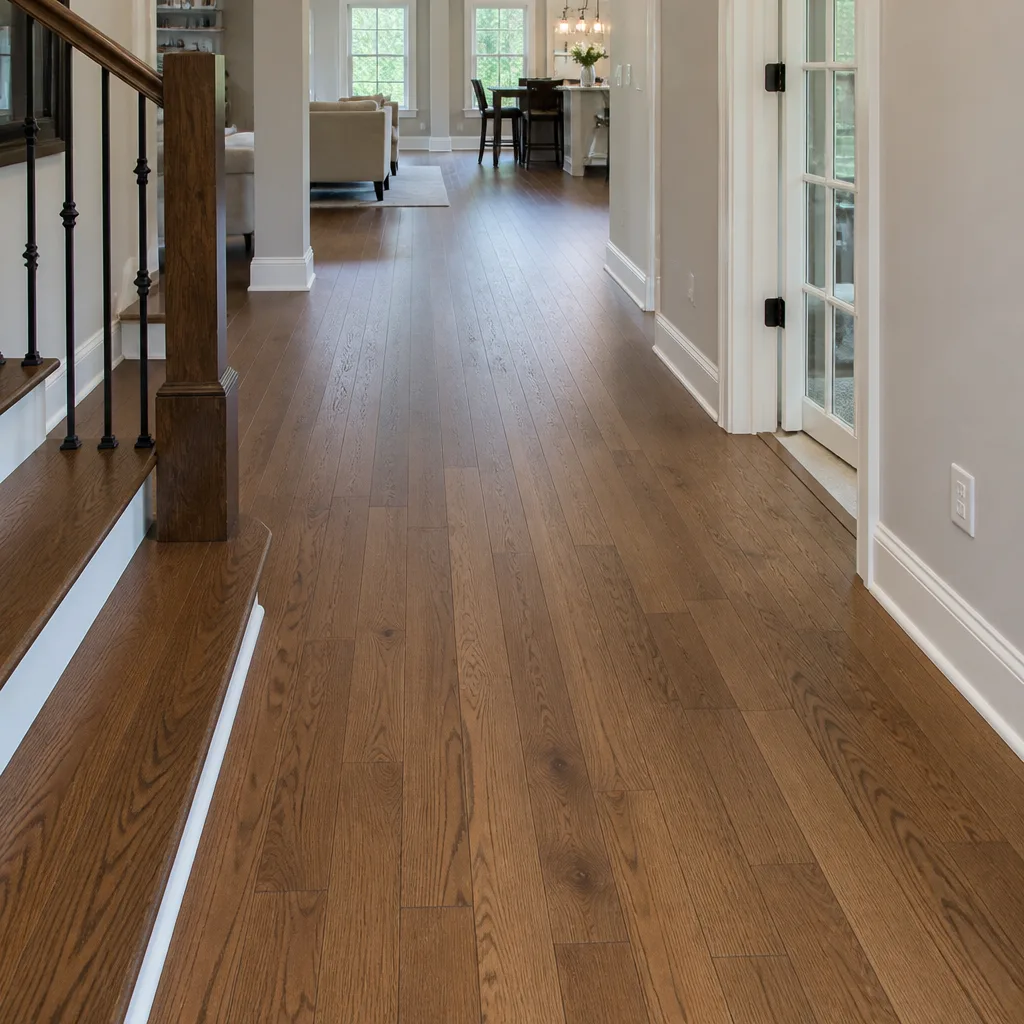 Engineered hardwood
 Luxury vinyl plank
 Laminate
 Porcelain tile
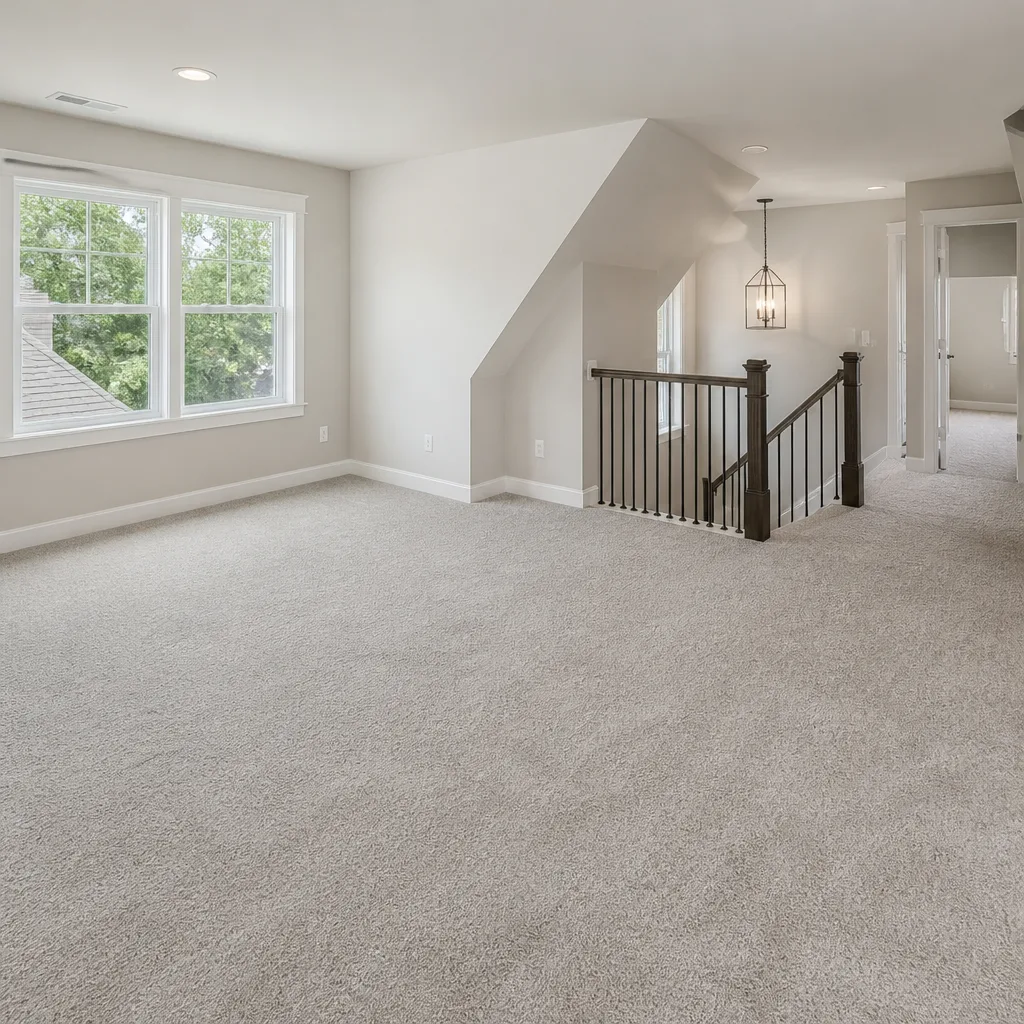 Carpet
 Shaw
 Mohawk
 COREtec
 Pergo
Free in-home measure and written estimate: Shaw, Mohawk, COREtec and Pergo lines compared on your own rooms, with carpet, tile, vinyl plank, laminate and hardwood laid out side by side
Get your free estimateWhat Happens at a Free In-Home Flooring Estimate in Las Vegas
Most homeowners treat a flooring estimate as a formality: pick a product, get a number, book the install. That framing is where projects go sideways. Photos and rough room dimensions can tell you how much carpet or tile you need, but they can’t tell you what’s under the old floor, whether the slab has a low spot that will telegraph through a floating plank, or how a bedroom floor needs to meet a hallway tile that sits a quarter inch higher. The visit is where those answers live. This guide walks through what a proper free in-home flooring estimate in Las Vegas should look like from the moment the estimator walks in to the follow-up document you should receive afterward, what each part of the estimate itself means, and how to tell a product specialist from someone reading a script.
Quick Answer
A free in-home flooring estimate is a diagnostic visit, not a sales call. Over roughly 45 minutes to an hour, an experienced estimator measures each room, checks the subfloor, notes transitions and existing material removal, confirms the product you want is compatible with your rooms, and takes notes for a written quote that follows. You should leave with a clear picture of the work and a document that itemizes material, labor, and prep, not a single all-in number on the back of an envelope.
Styles & brands we work with
- Hardwood
- Engineered hardwood
- Luxury vinyl plank
- Laminate
- Porcelain tile
- Carpet
- Shaw
- Mohawk
- COREtec
- Pergo
Table of Contents
- Why an In-Home Visit Beats a Phone or Photo Quote
- What Should Happen Minute by Minute
- The Measurements and Observations a Thorough Estimator Makes
- How to Read the Estimate Document
- Questions to Ask During the Visit
- Comparisons When You Have Multiple Estimates
- Las Vegas Conditions That Shape the Scope
- The Post-Estimate Follow-Up
Why an In-Home Visit Beats a Phone or Photo Quote
A remote quote and an installed floor describe the same room, but rarely the same job. The gap is usually subfloor and prep. A carpet estimate given over the phone assumes a sound, level substrate under the pad. Walk into the room and an estimator may find a slab that’s been patched, a section of plywood that flexes underfoot, or an existing tile floor installed over a membrane that will have to come up before anything new goes down. None of those conditions are visible in a photograph, and each one changes the scope and the price.
Transitions run into the same problem. In Las Vegas homes, it’s common to have tile in the kitchen and hall, carpet in the bedrooms, and a different floor at the entry. When the new material is thicker or thinner than what’s coming out, the transition strip becomes a real line item and sometimes a change to how the room is prepped. A properly trained estimator measures height differences at doorways and takes notes. A phone quote can’t.
There’s also the compatibility layer, which gets missed more than people expect. If you already know you want COREtec in the living areas or Mannington in the bedrooms, the estimator’s job is to confirm your selection is appropriate for the room, the substrate, and the way you use the space. An experienced installer can say so in the room. That’s a different conversation than a call center reading off options. If you’re still settling on a material, our guide to Las Vegas Flooring Installation explains how the different product categories behave in different rooms.
The visit exists to make the written quote accurate. Every number delivered on paper should be one the estimator has already verified against the room in front of them.
What Should Happen Minute by Minute
Every estimator has their own rhythm, but a thorough one hits the same beats. If you’re preparing for a visit, here’s roughly what to expect.
- Walkthrough first, no clipboard. The first five to ten minutes should be spent walking the space with you, listening to what you want and what’s bothered you about the current floor. Estimators who start measuring before they understand the goal are measuring the wrong job.
- Subfloor inspection. The estimator should look at the substrate from above, tap for hollow spots, and check for obvious deflection, cracks, or moisture staining. On a slab, some estimators will use a moisture meter. None of this is a full inspection, but it’s the level of check the quote depends on.
- Measurements. Each room gets measured, not just paced. Doorways, closets, and any built-in cabinetry get noted because they affect how material is laid out and how much waste allowance is realistic.
- Transitions and removal. Doorway heights, thresholds, and how the existing floor is attached (stapled, glued, floating) all get recorded. Removal method affects labor.
- Product discussion. Now you talk about material. If you’re headed toward Karndean for a design-forward living area, the estimator should know the brand line and its installation demands. If you’re considering Daltile for a bathroom floor, the conversation should cover layout, grout choice, and whether the substrate is ready for tile.
- Sample review. A good visit includes seeing an actual sample of the product in your light. Screens lie about color.
- Recap and next steps. The estimator should summarize what they saw, flag anything that will need attention in the quote, and tell you when the written estimate will arrive.
A visit that runs less than about 30 minutes for anything beyond a single small room is a flag. It can be done, but only if the estimator skipped most of the steps above.
The Measurements and Observations a Thorough Estimator Makes
What’s actually getting written down during a good visit? Here’s a working list, because knowing it lets you check whether your estimator did the job.
- Net room dimensions after subtracting built-ins. A room with a full-length closet is not the same square footage as an empty box.
- Waste allowance and layout direction. Material is ordered with waste, and the waste factor depends on the room’s shape and the product’s plank or tile size. A complex, multi-door room with lots of angles needs more than a simple rectangle.
- Subfloor condition notes. Any deflection, squeaks, hollow spots, or cracks get written down because each one may trigger a line item for prep.
- Moisture notes on slab. Not every visit includes a meter reading, but in Las Vegas the slab is a real consideration. If the estimator doesn’t mention moisture at all, ask.
- Height and transition measurements. Doorway clearances, threshold heights, and how the new floor will meet adjacent floors.
- Existing floor removal notes. What material comes up, how it’s attached, and whether the old floor was installed over something that also has to come out.
- Baseboard and trim plan. Are baseboards coming up and going back, or is a shoe mold being added? Either way, it’s a labor line and the estimator should note which.
- Furniture and appliance notes. Who moves what. Appliances sometimes need to come out for install; a proper estimate addresses that.
- For refinishing jobs. The thickness of the existing hardwood and its condition get noted, because not every floor can be successfully refinished. The estimator should say so plainly if the answer isn’t obvious in the room.
All of those notes feed the written quote. If you go back and look at your estimate a week later, you should be able to match each line item back to something the estimator measured or saw in your rooms.
How to Read the Estimate Document
The written estimate should arrive as a document, not a text. What does a well-constructed one look like? Start with line items.
Material and Labor Should Be Separated
A single all-in price is impossible to compare against another quote. Itemized estimates separate the material cost (brand, product, quantity, price per unit), the labor for removal and installation, and any prep or repair items. That separation lets you see what’s actually driving the number.
Subfloor Repair Should Be Its Own Line
Any subfloor work the estimator identified should show up as a specific line: patching, leveling, replacing a section of plywood, or addressing moisture. It should not be folded into the installation line as a vague adjustment. If you saw the estimator write down a hollow spot and it doesn’t appear in the quote, ask why.
Watch for “Allow” and “If Needed” Language
Words like “allowance,” “if needed,” “up to,” and “contingent on” mean the price is a placeholder until the condition is confirmed on install day. Sometimes that’s legitimate; the estimator genuinely can’t know whether a section of subfloor needs replacing until the old flooring is up. Sometimes it’s the estimator hedging on work they should have quoted. Either way, the document should say which conditions trigger the number. If it doesn’t, ask for a call to clarify before signing anything.
Exclusions Should Be Stated, Not Implied
Does the quote include removal and disposal of the old flooring? Furniture moving? Baseboard work? Appliance disconnect and reconnect? Some of these are outside the scope of a flooring contract, and that’s fine; they just need to be named so you’re not surprised when they come up. A written estimate with no exclusions is usually one where they were assumed by whoever wrote it, and assumptions tend not to favor the homeowner.
The written estimate is what sets your final price. Nothing said verbally substitutes for what’s in the document.
Questions to Ask During the Visit
The visit is your chance to test whether you’re talking to a product specialist or a volume-closer. Both are polite. Both take measurements. The difference shows up in what they can answer.
Ask the estimator to walk you through how they’d handle the specific rooms and conditions they just measured. If you’re set on Daltile for a shower floor, ask about tile size relative to the slope and where the cut pattern falls. If you’re considering Karndean for a high-traffic area, ask about the installation orientation and how it will run from room to room. A specialist will go deep without hesitation. Someone who isn’t will steer back to a brand they know by default or to a general conversation about “quality.”
Here’s a working list of questions:
- What did you see in the subfloor, and how does that affect this quote?
- Are there conditions here you’d flag on install day that you can’t confirm today?
- For the product I’m considering, what’s your experience installing it? What’s tricky about it?
- How do you handle transitions at the doorways you measured?
- What’s not included in this estimate that I should plan for?
- If I put down a deposit, what’s the next step and what’s the timeline?
You’re not trying to catch anyone out. You’re making sure the person doing the numbers knows the products and the room well enough to stand behind both.
The visit should also be a chance to confirm you’re comfortable with the crew. Nine trusted brands, one installation team only works as a selling point if the team actually knows each brand. Ask how the company assigns installers to different product types and what happens if a product you want isn’t one they routinely install. A specialist has an answer. A volume-closer has a shrug.
Comparisons When You Have Multiple Estimates
Getting three quotes is smart. Getting three quotes that describe three different scopes isn’t. Comparing them requires some translation.
Start by putting them side by side and separating the material from the labor and prep. If one quote lists Armstrong for the family room and another lists a different brand, you’re not comparing the same product, so the price difference means nothing yet. Ask each contractor to quote the same product from the same line if you want an apples-to-apples number. Serious installers will do this.
Next, look at what each quote calls “installation.” Some quote rooms; some quote single-material scope and leave prep to a separate line; some bundle everything into an all-in figure. The lower number often reflects a shorter scope of work, not a lower price for the same job. Extraction of old flooring, furniture moving, baseboard removal, and disposal are frequently where the gap lives.
Then check what each quote flags as “if needed” or “allowance.” A quote assuming a clean, level subfloor under a hundred-year-old house will look cheaper than one that assumes prep is coming; the second one is being more honest, not more expensive. Price the allowances at their upper end and compare those numbers. That’s closer to a realistic tier.
Finally, look at the follow-up documents and the responsiveness of each contractor before you sign anything. If one company sent a detailed written estimate with line items and clear exclusions and another sent a text with a single number, that tells you how each will communicate once the job is underway. That’s worth real money over the life of a floor.
Las Vegas Conditions That Shape the Scope
Estimators in Las Vegas see the same conditions repeating, and those conditions should show up in the notes on your visit.
Slab moisture. Much of the housing in Las Vegas is built on slab. Even in a dry climate, moisture can move through a slab. When it does, it affects what can go down and how it needs to be handled first. A thorough estimator will either take a reading or will ask whether the install has been discussed with the moisture question in mind. If moisture isn’t mentioned at all during a slab-floor estimate, ask.
Expansive soils. The ground in parts of the valley moves seasonally, and that shows up as cracks in slabs and uneven floors. Not every crack is a problem, but the estimator should note it and either say it’s cosmetic or flag it for further attention in the estimate.
Sun exposure. Southwest-facing rooms in Las Vegas take far more direct sun than comparable rooms elsewhere. Carpet and wood flooring fade with UV over years, and the estimator’s job is to note the exposure and talk through options. If your room is a sun-baked great room, that’s not “just a detail” for the quote.
AC, dry air, and humidity swings. Dry indoor air most of the year, followed by small seasonal swings, changes how certain products behave after install. The estimator should note any plan for dealing with it, particularly on wood and tile. It’s also a reason to confirm your selected product is a good match for the room.
Housing styles differ across the valley. An older home in a neighborhood like Las Vegas‘s historic districts will have a different subfloor story from a newer build in the outer valley. Older homes often mean bringing a floor back; newer homes sometimes mean the subfloor is sound but the existing flooring was a low-cost builder grade. Either scenario shapes the estimate.
None of this is exotic to an experienced estimator who works in Las Vegas regularly. What matters is that the estimator brings it up, not that you have to.
The Post-Estimate Follow-Up
The visit ends, and the ball moves to the contractor. What they send in the days after tells you a lot about how they run jobs.
A thorough follow-up includes:
- A written, itemized estimate delivered in a reasonable timeframe (typically within a few days, longer if a niche product needs a special order confirmation or pricing).
- The product name and line you discussed, so you can verify what you’re being quoted.
- Clear line items for material, labor, prep, and removal as applicable to the work.
- Exclusions spelled out, including anything discussed on the visit that isn’t included.
- The scope’s assumed conditions and what happens if those conditions turn out different.
- Contact information and a clear way to ask follow-up questions.
What’s missing from a follow-up is also a signal. If the estimate arrives as a photo of a handwritten sheet or a one-line text, you don’t have a written estimate you can compare or hold anyone to. If the contractor said during the visit they’d send a quote for a specific product but the follow-up is generic, that’s another flag. If nothing arrives at all, that’s the answer to whether they’ll be responsive mid-install.
If you need to clarify something on the estimate, ask before signing. Any reputable contractor will quote you the same product line again or walk through a line you’re unsure about. If they resist, that’s useful information about the working relationship before you’ve committed to one.
Once you’ve signed, install day becomes its own project. Our guides to carpet installation and tile flooring installation walk through what to expect on the day.
Common Mistakes to Avoid
- Treating the visit like a quote-collection errand. Yes, you’re there to get a price, but the estimate will only be as accurate as the questions you’re willing to ask. Treat it like a design consultation and you’ll get a useful estimate.
- Choosing a product before the visit. You can be brand-loyal and still let the estimator confirm the product fits your rooms. The best-fit product often changes once the room conditions are visible.
- Only comparing bottom-line prices. A cheaper number frequently reflects a shorter scope. Line up the quoted products and prep before deciding what’s a better value.
- Ignoring “if needed” and “allowance” language. Those words are where the final price drifts away from the quoted price. Ask what conditions trigger them.
- Skipping the moisture conversation on a slab. In Las Vegas, asking about moisture during a slab-floor estimate is not being over-cautious. It’s basic due diligence.
- Assuming baseboards and transitions are included. These get left out of quotes more often than you’d think. Ask whether baseboard removal and reinstall are in scope, and how transitions at doorways will be handled.
- Letting the visit be rushed. A 20-minute walkthrough that ends with a handshake and a promise to “email you a number” is not an estimate. It’s a placeholder for one.
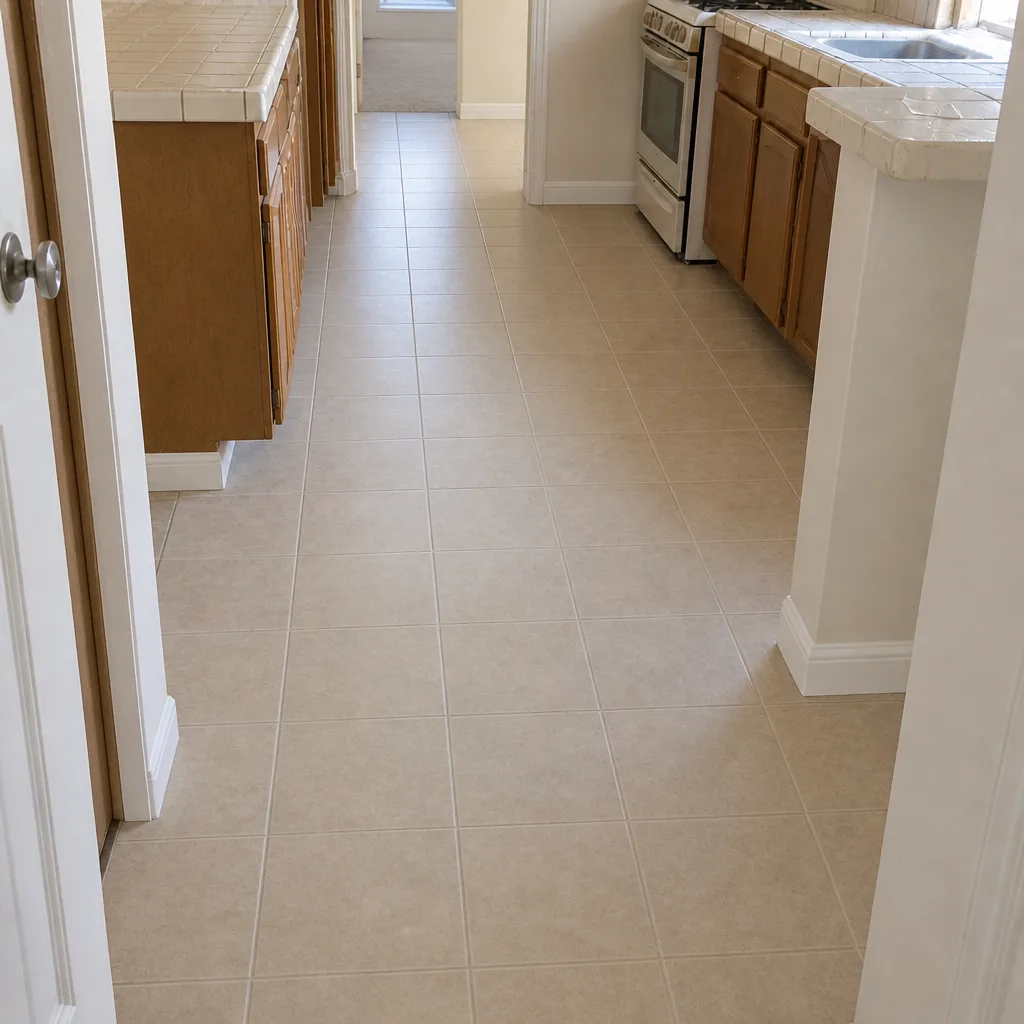
See the difference
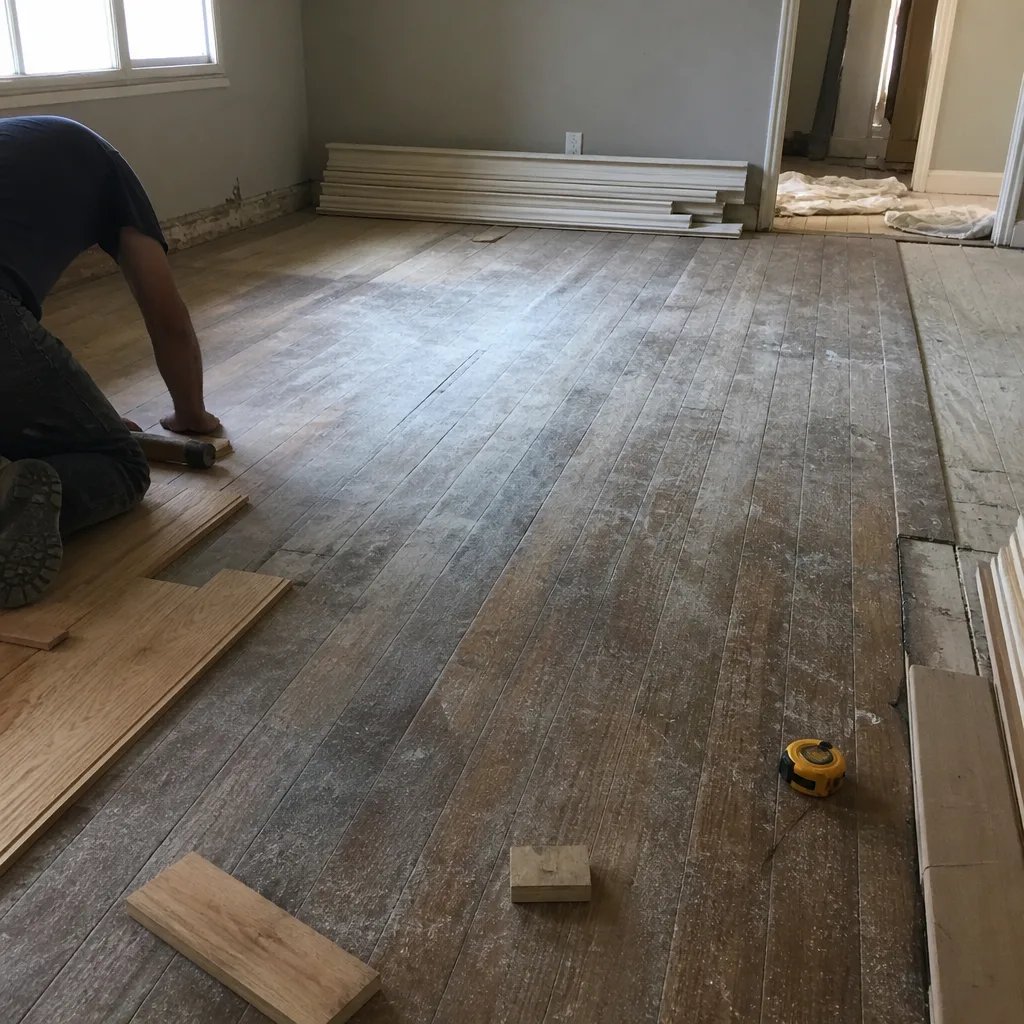 Before
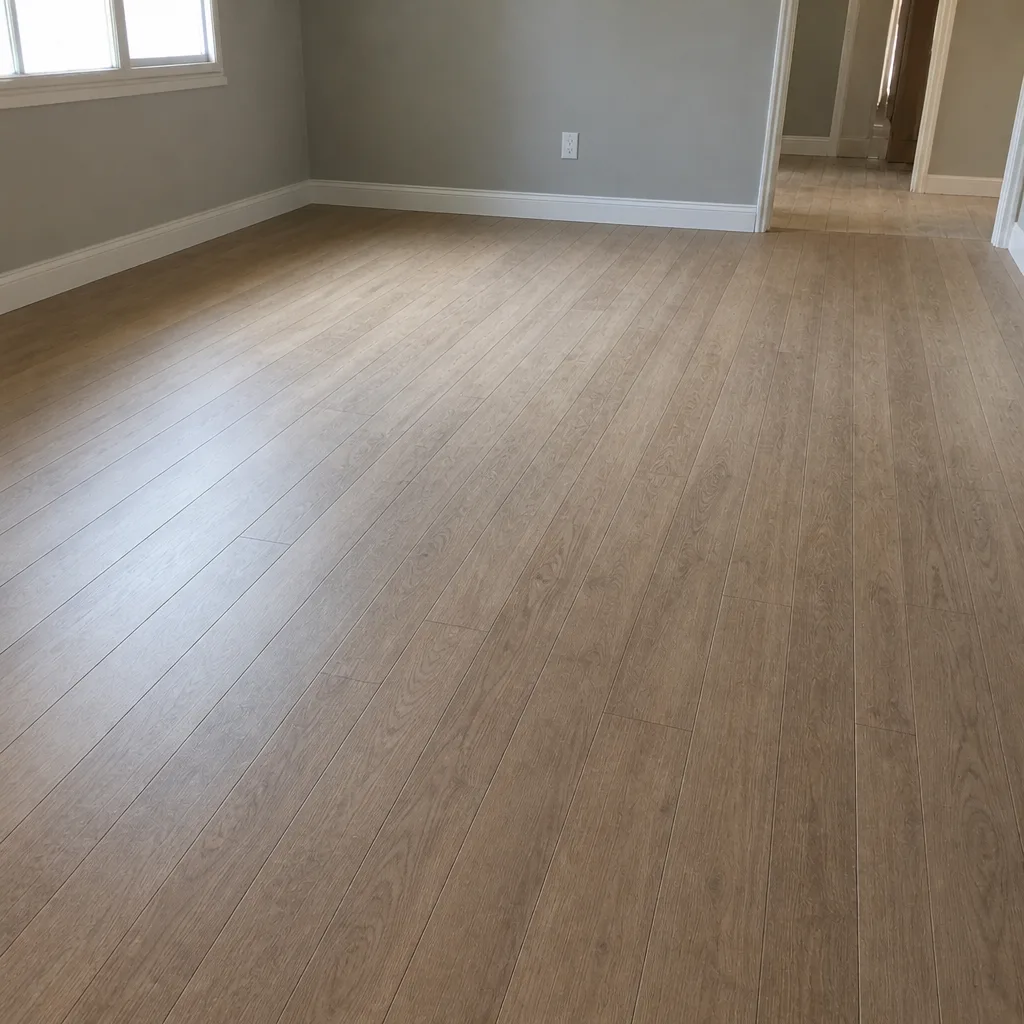 After
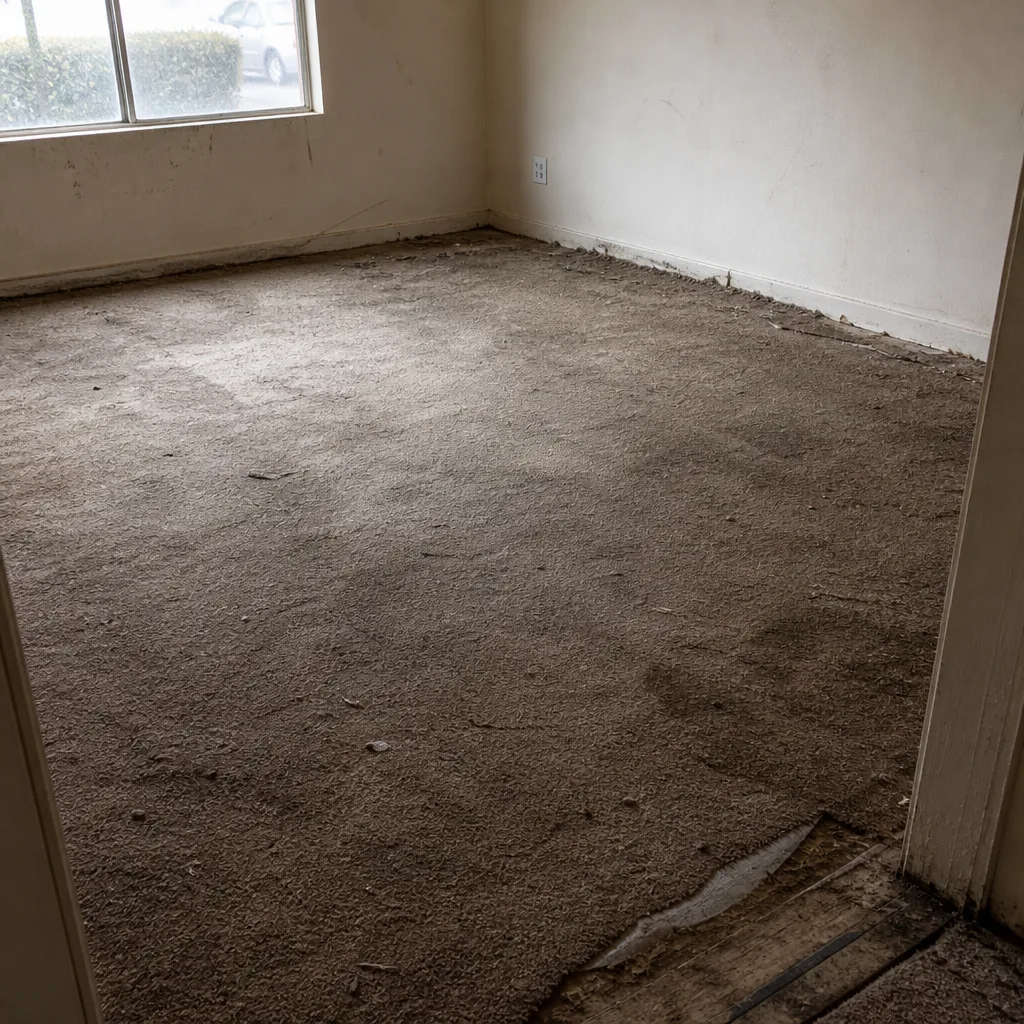 Before
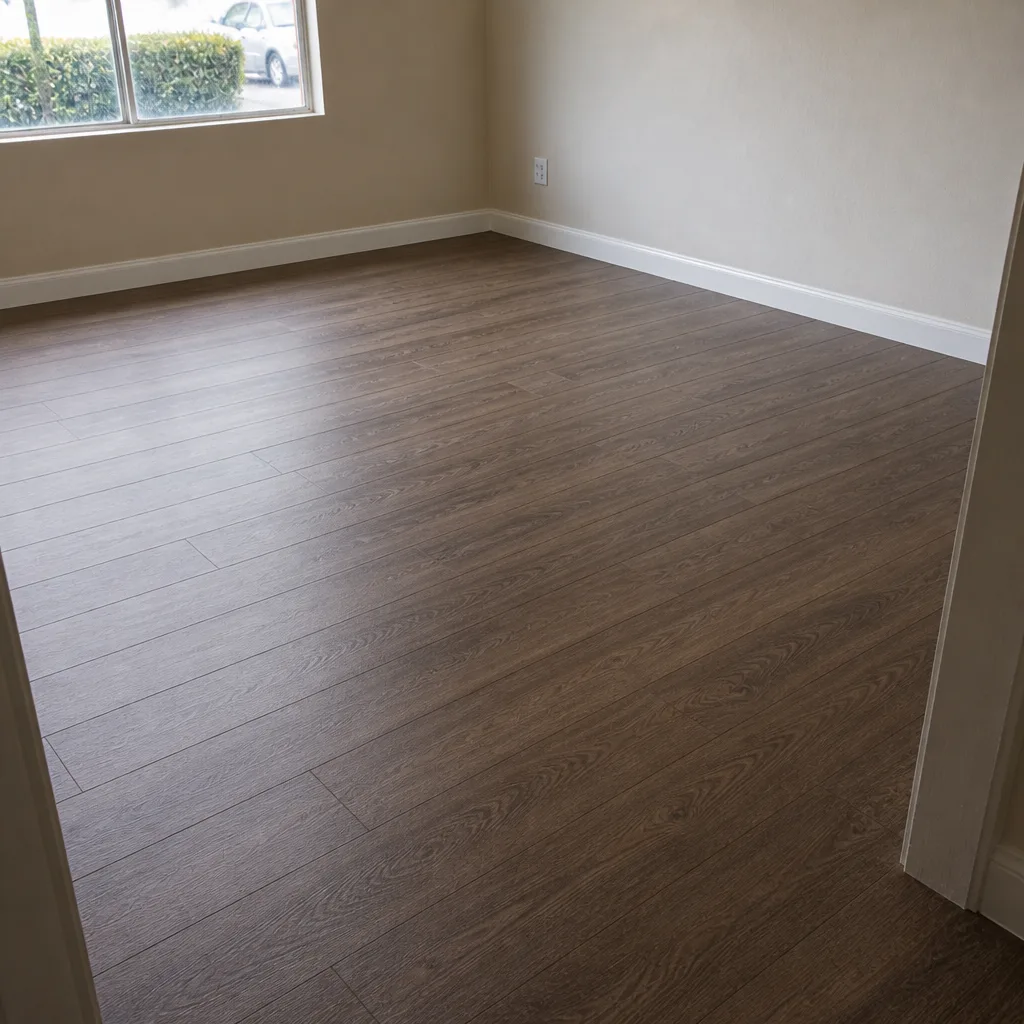 After
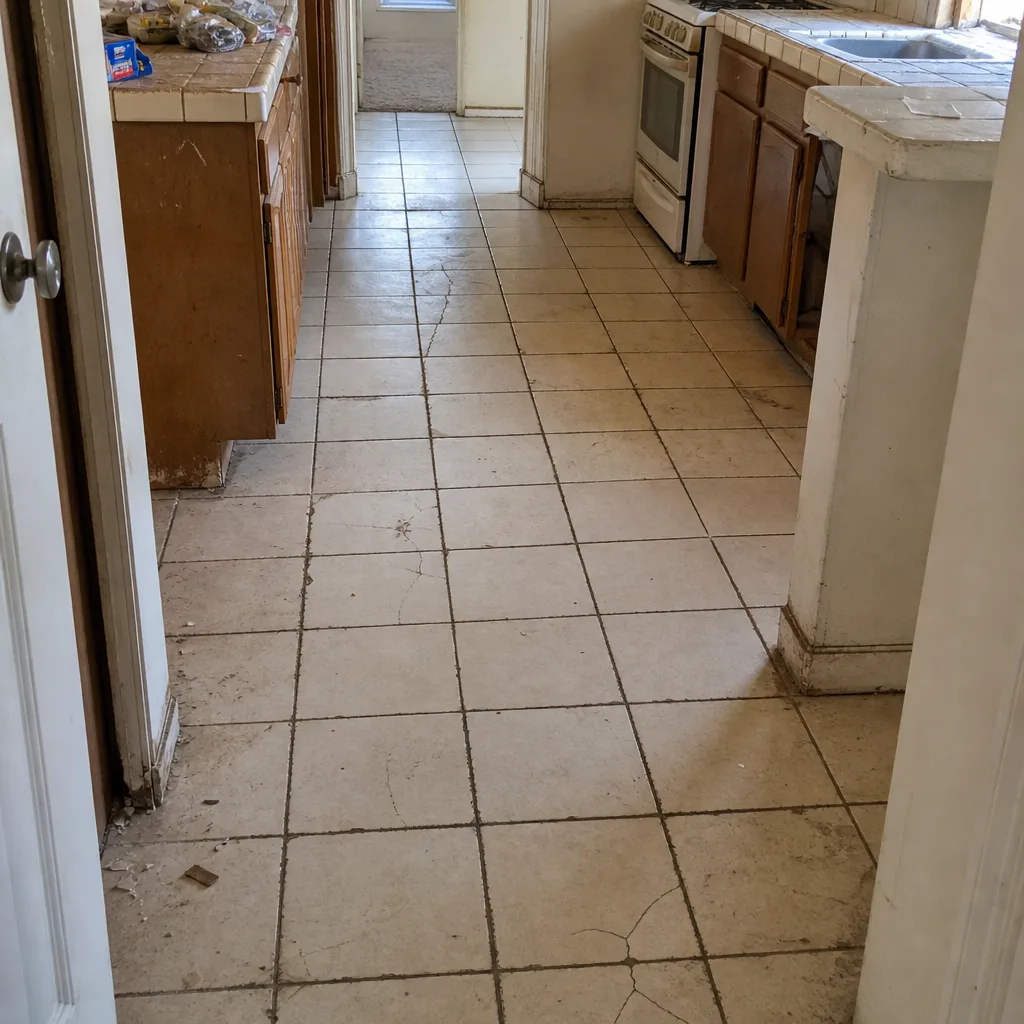 Before
 After
When to Call a Professional
Some projects benefit from a call before you get too far in. If your existing floor is failing in multiple rooms, if you’re dealing with cracks in the slab that have gotten worse, or if you’re planning to install over an existing floor without removing it, a professional in-home estimate is the right starting point. It’s also the right call when you’re installing a premium product like Karndean or matching an existing Daltile floor across rooms, since those installs reward an experienced eye. And if you’ve already gotten quotes that feel inconsistent with each other, another visit is often what clarifies which scope is real. Las Vegas Flooring Installation offers free estimates in Las Vegas and works with nine brand lines including Shaw, Mohawk, COREtec, Pergo, LifeProof, Mannington, Armstrong, Daltile, and Karndean. Our technicians have up to 15 years of experience. Call (888) 268-1308 to schedule your free estimate.
Frequently Asked Questions
Most in-home flooring estimates in Las Vegas run roughly 45 minutes to an hour for a whole-home or multi-room project, and 20 to 30 minutes for a single small room. If an estimate is being completed in 15 minutes for anything beyond a walk-in closet, it’s worth asking what was actually measured.
Yes. Our estimates are free and come with no obligation. The price you receive is set by the written estimate, and the estimate itself is what you use to compare with others before you decide. Call (888) 268-1308 to schedule one.
No. A good estimator measures around furniture. If they want an area cleared for a better look, they’ll say so during the visit. On install day, the crew will confirm what furniture moves and when, and that plan should be in the estimate.
Either works, but the estimate is more useful if you’re open to input. If you already know you want COREtec or Armstrong, the estimator confirms fit. If you haven’t settled, the visit is where the choice gets clearer, because the room conditions inform which lines work well for the space.
In everyday use, the words get mixed. In practice, an estimate is a projection based on assumed conditions; a quote is a set price for a defined scope. Most written flooring documents function as a quote with allowances for conditions that can’t be confirmed until the old floor comes up. Ask which one your document is, especially if “if needed” or “allowance” appears anywhere.
We don’t give firm prices over the phone. Flooring prices depend on the material, the room conditions, and the prep, and none of those are visible without a visit. The written estimate is the real number. Call (888) 268-1308 and we’ll book you a free visit so we can put an accurate estimate in front of you.
The Bottom Line
A free in-home flooring estimate in Las Vegas is where a real project gets scoped. You should get a proper walkthrough, measurements, subfloor notes, transition and removal details, and a written estimate with line items and clear exclusions a few days later. If the visit was under 30 minutes, if the follow-up is a text, or if the quote buries the prep in “if needed” language everywhere, you haven’t gotten an estimate; you’ve gotten a placeholder. Get the second visit. Compare products and scopes properly. And if you’re ready to schedule the free one, call (888) 268-1308. We answer 24/7. Fast dispatch from 7am to 7pm, Sunday through Friday.
Written by the team at Las Vegas Flooring Installation.