
Last updated November 18, 2026
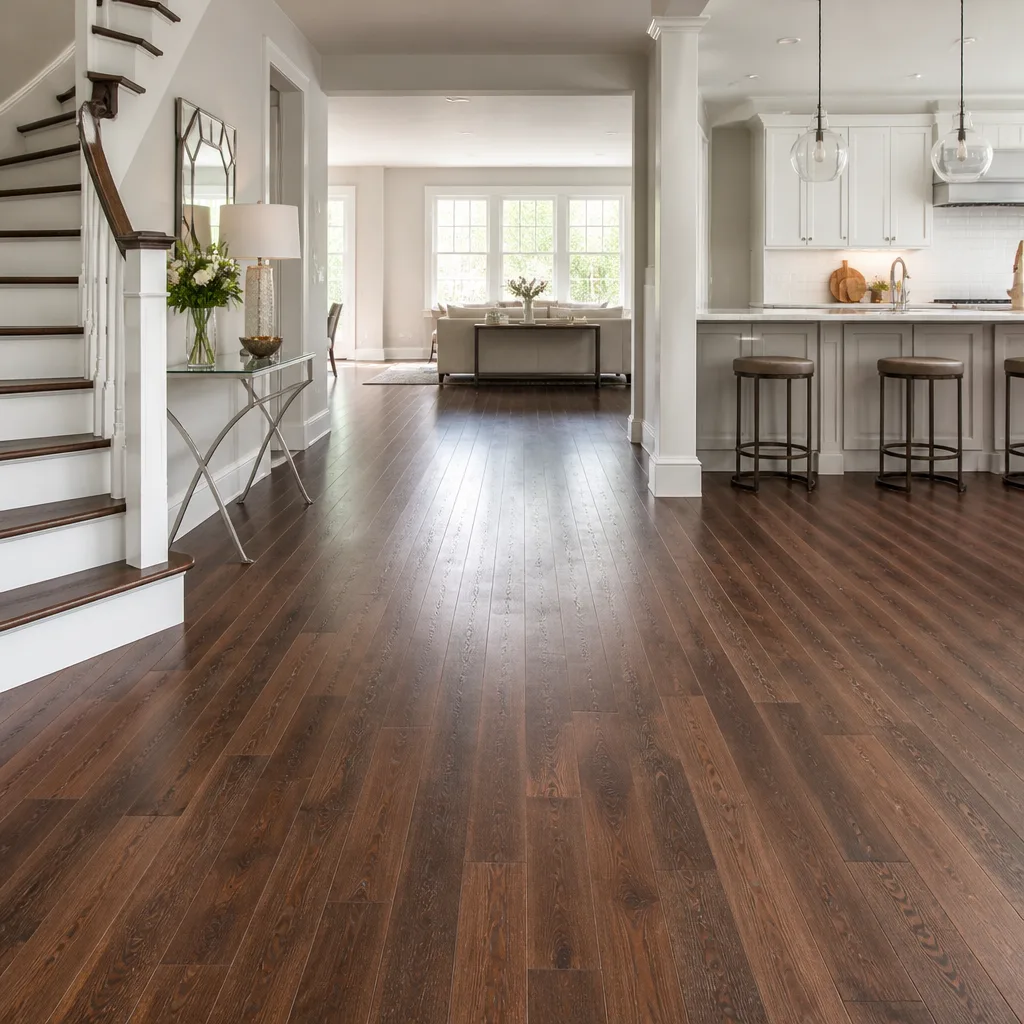 Hardwood
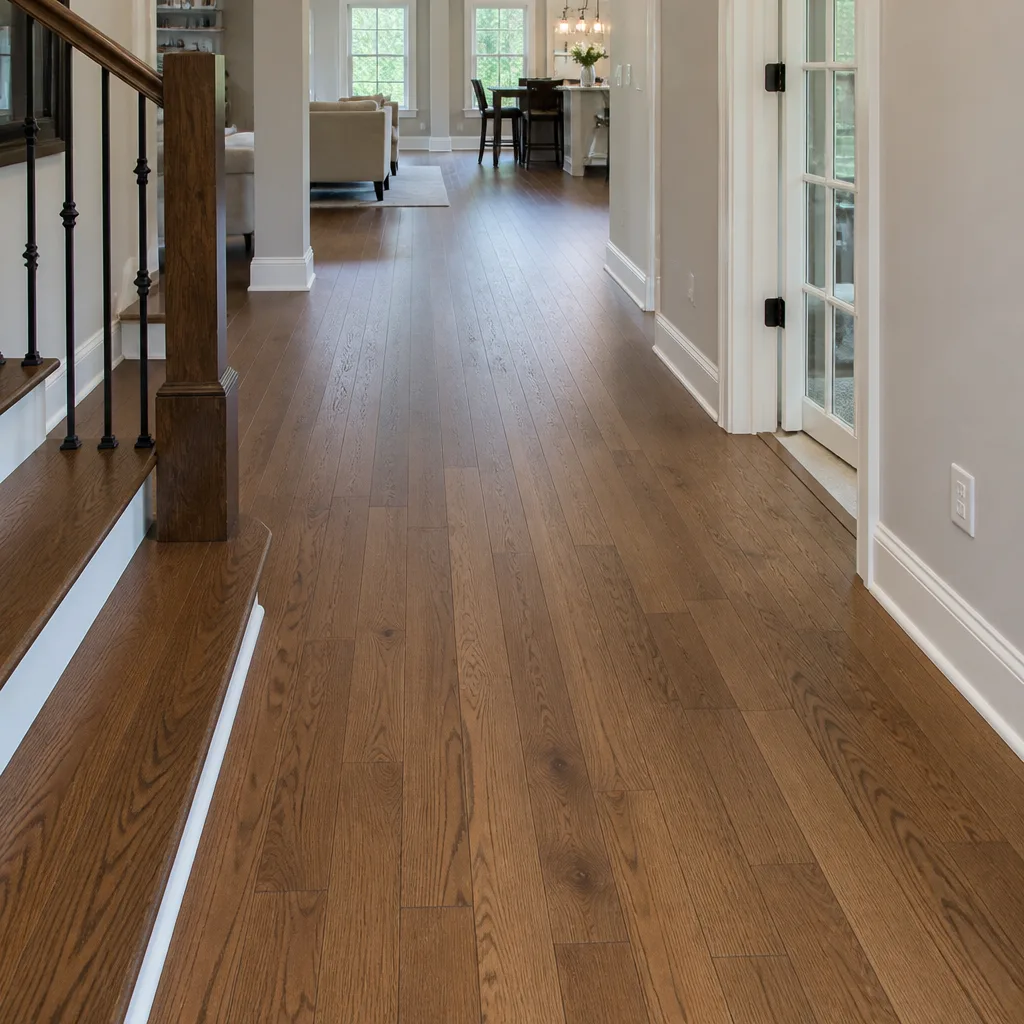 Engineered hardwood
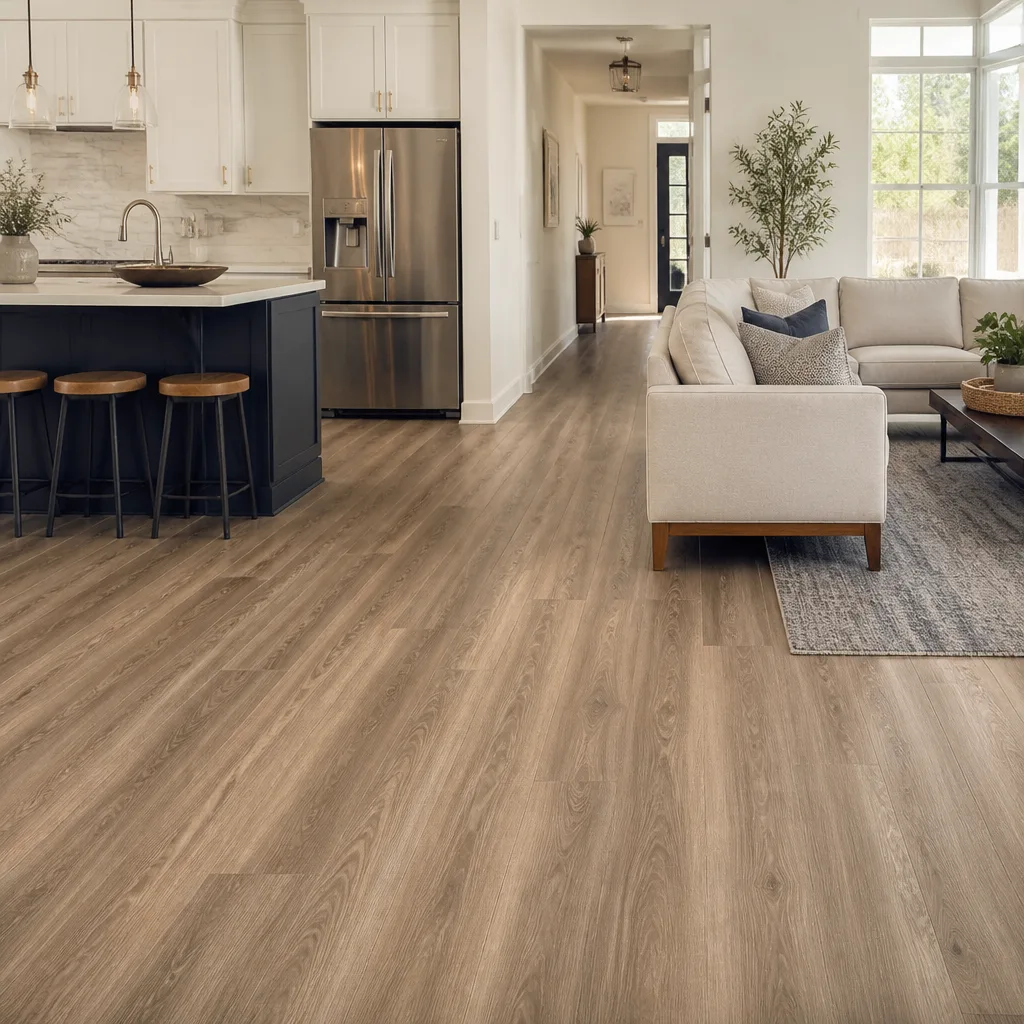 Luxury vinyl plank
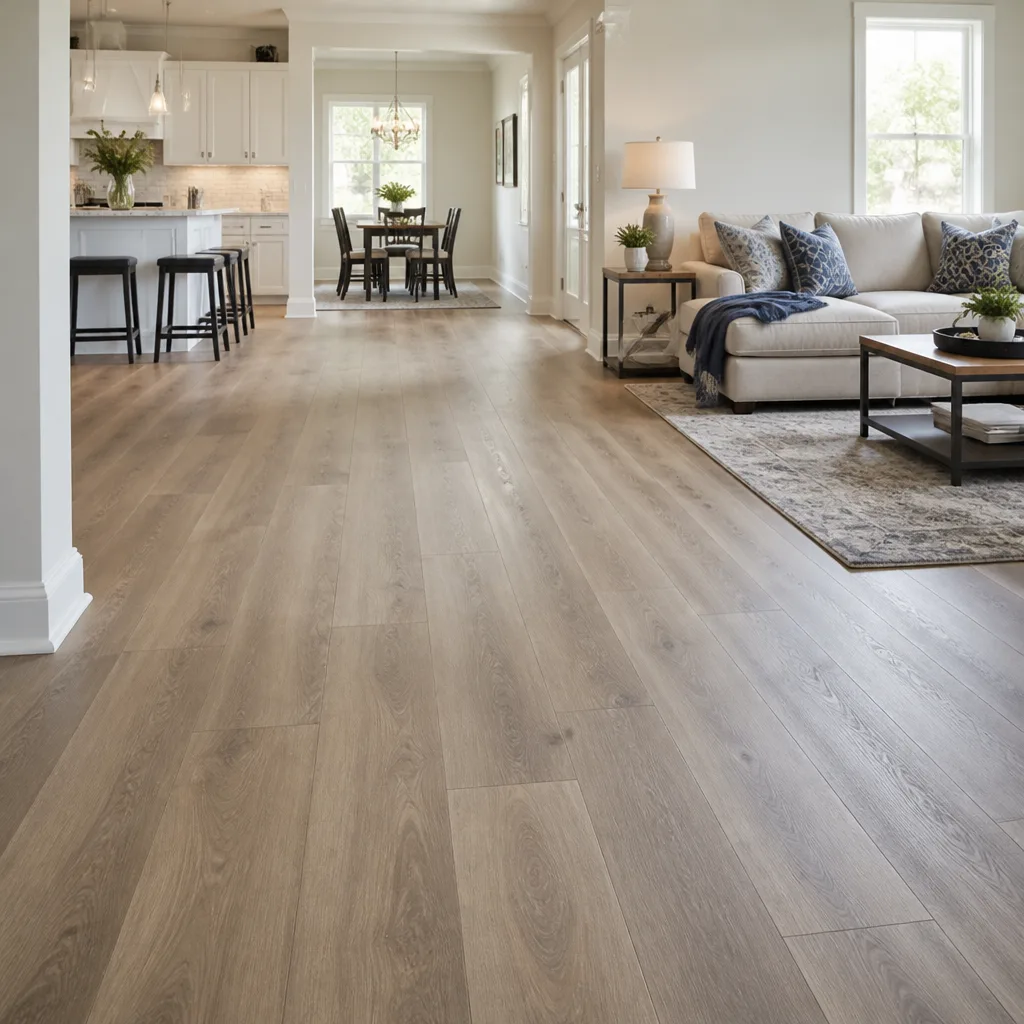 Laminate
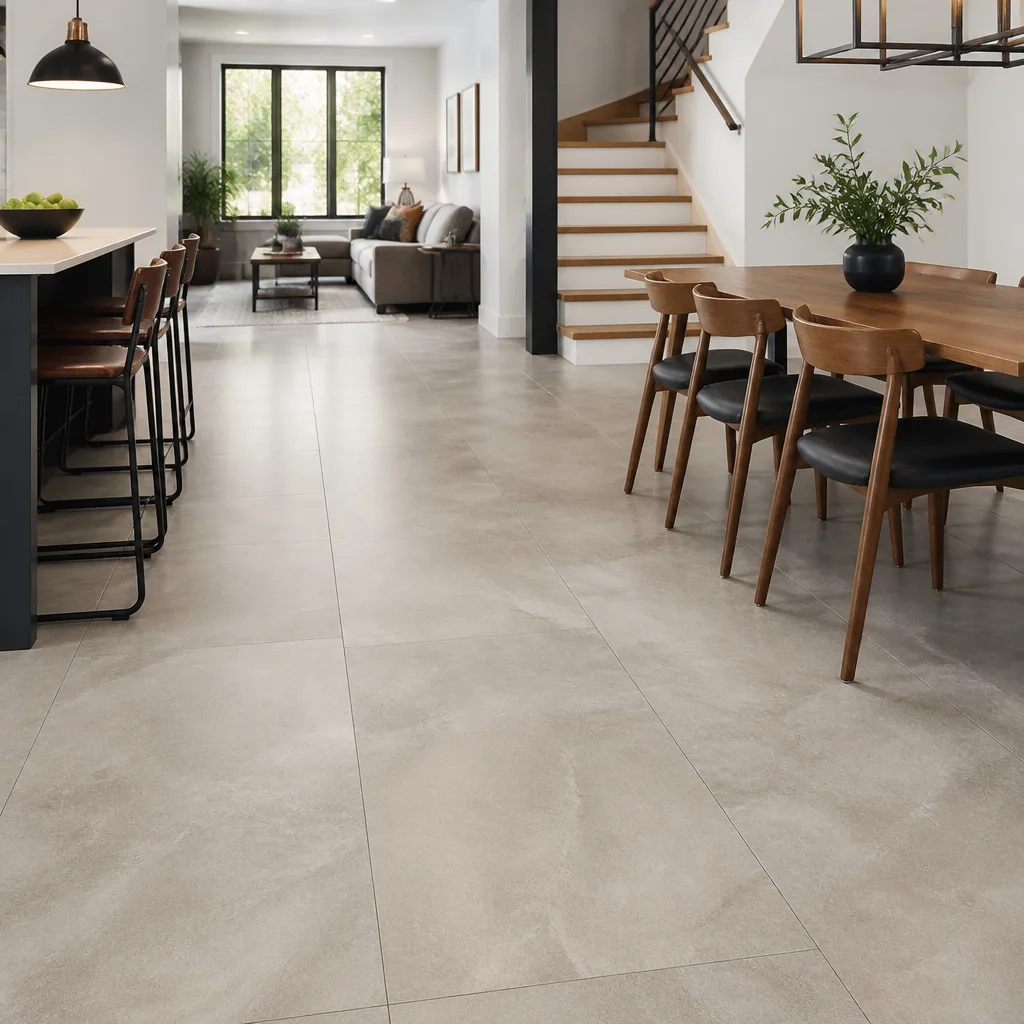 Porcelain tile
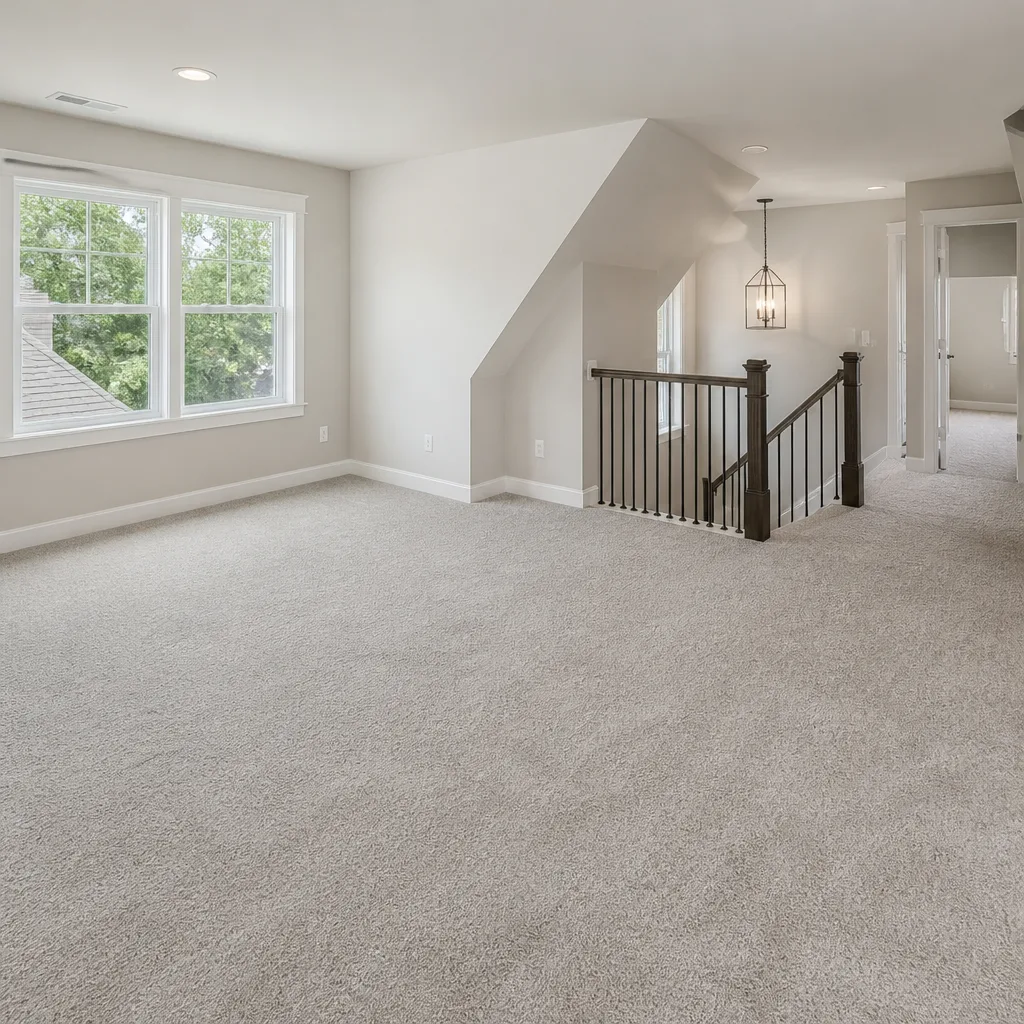 Carpet
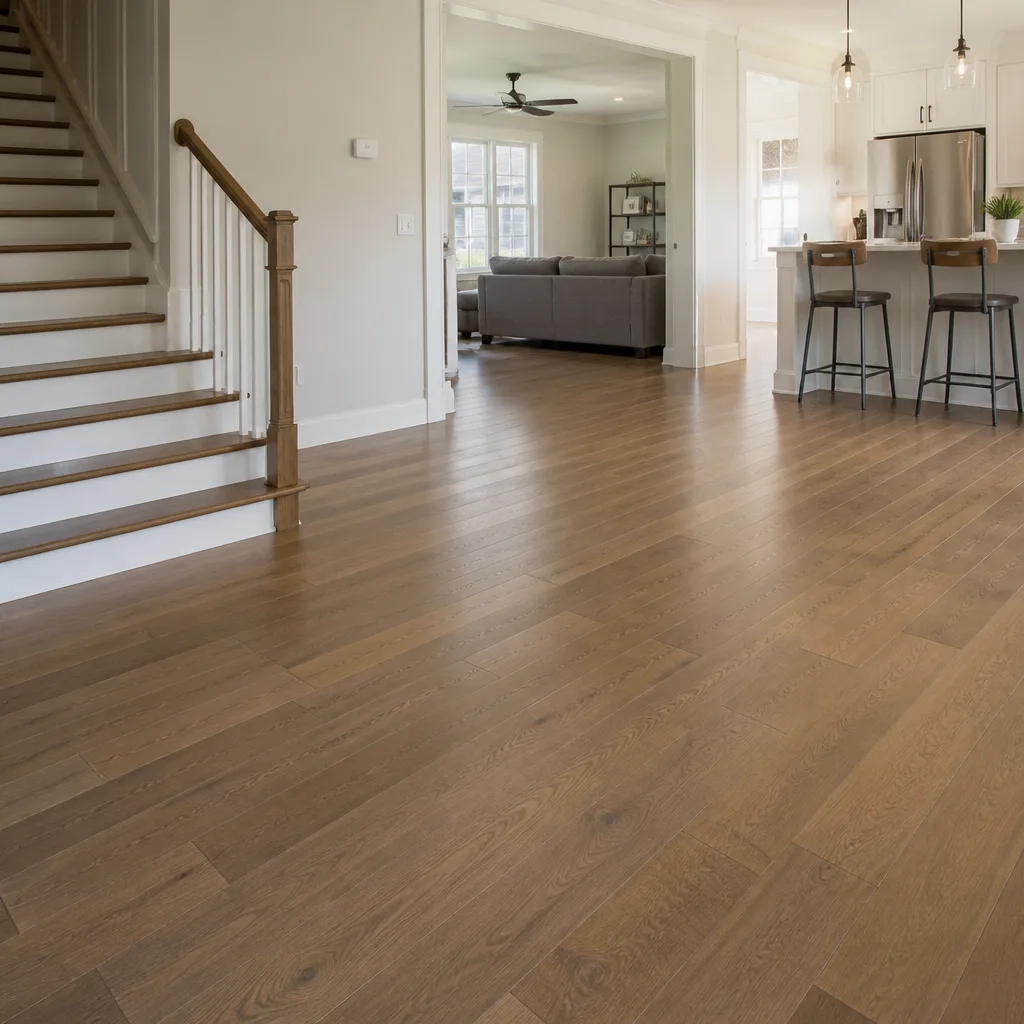 Shaw
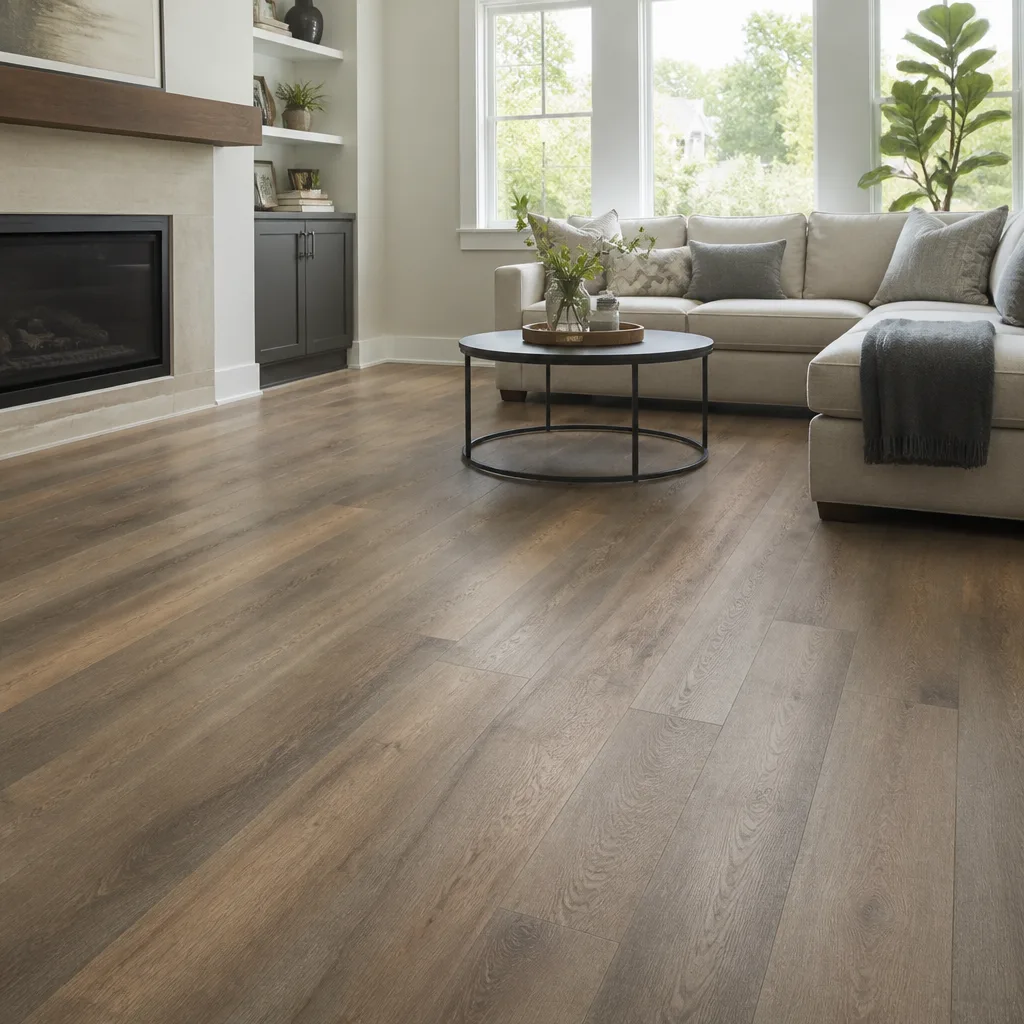 Mohawk
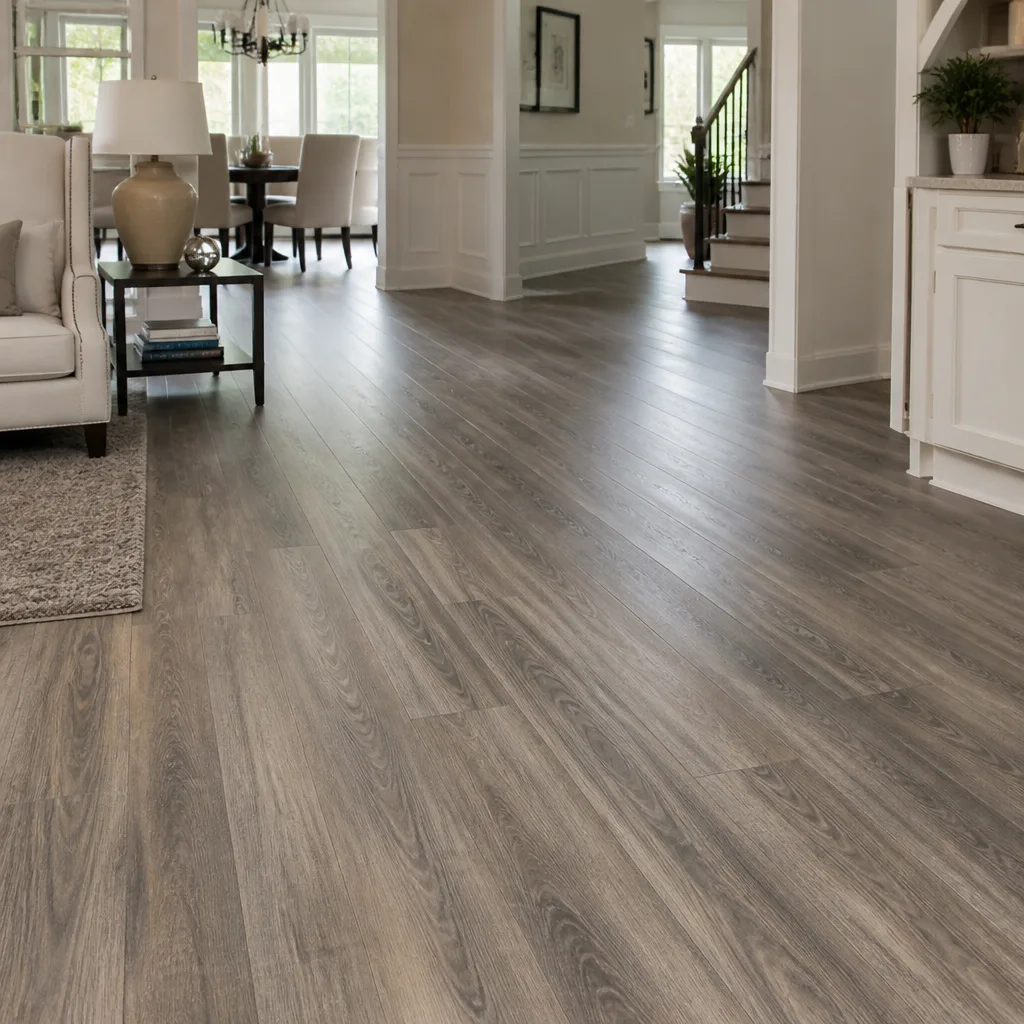 COREtec
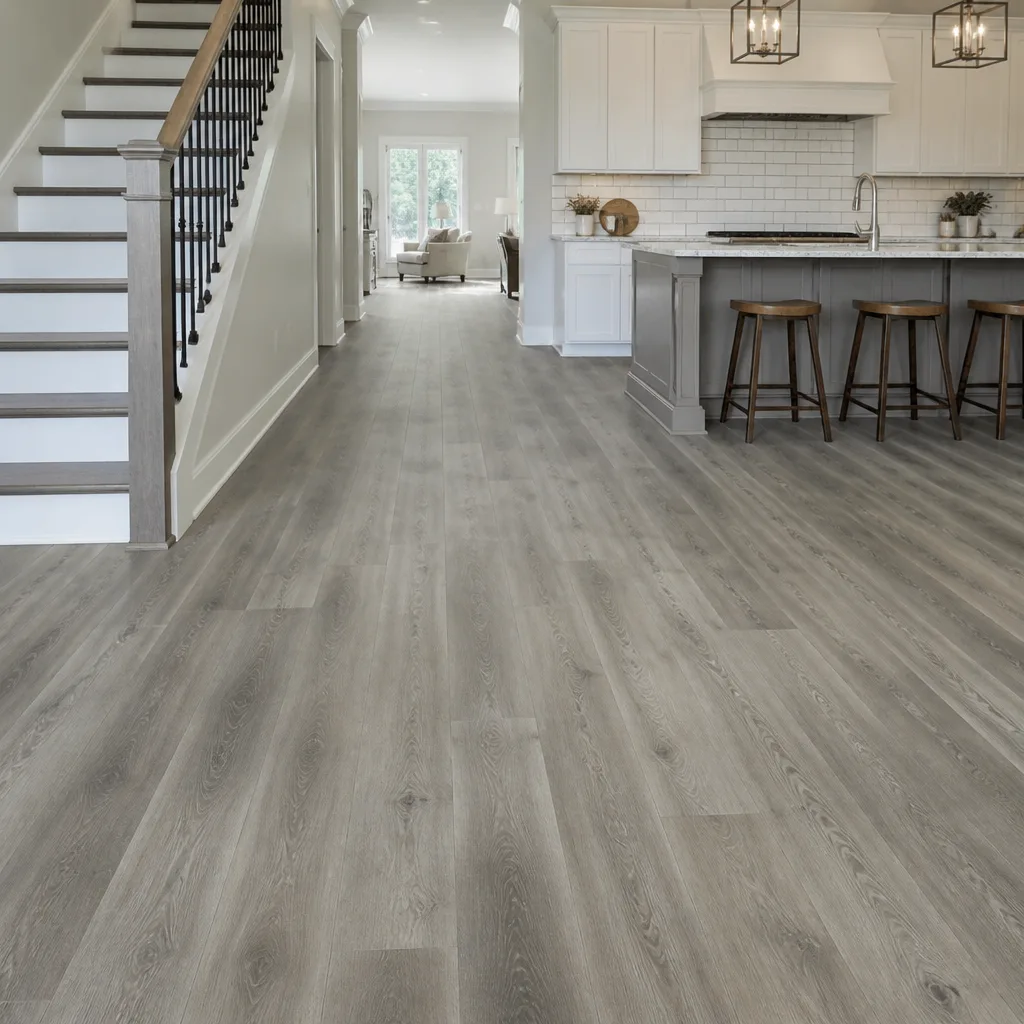 Pergo
Free in-home measure and written estimate: Shaw, Mohawk, COREtec and Pergo lines compared on your own rooms, with carpet, tile, vinyl plank, laminate and hardwood laid out side by side
Get your free estimateFlooring Cost Breakdown: The Las Vegas Homeowner’s Reference for 2026
Most flooring cost guides on the web are built from national averages, and those averages come from markets where installation labor runs a fraction of what it costs here. Apply them to a Las Vegas project and you’ll under-budget from the first line. The number that matters is never the national median; it’s what a licensed installer in the Las Vegas valley charges for your square footage, your subfloor, and your removal. This reference rebuilds the cost picture from local inputs: room-by-room ranges, the hidden line items that show up on real invoices, how material tier changes the total in ways most homeowners don’t expect, and what a realistic budget looks like for the three project types we quote most in Las Vegas. It’s a working document, not a promise of price. Your written estimate is the final word.
Styles & brands we work with
- Hardwood
- Engineered hardwood
- Luxury vinyl plank
- Laminate
- Porcelain tile
- Carpet
- Shaw
- Mohawk
- COREtec
- Pergo
Quick Answer
A typical Las Vegas flooring project runs roughly $1,200 to $2,500 for a single room, $6,000 to $14,000 for a full first floor, and $2,500 to $6,000 for an investment-property refresh, depending on material and site conditions. Those ranges include standard removal and basic prep; subfloor repairs, furniture moving, and complex layouts push the total higher. Square footage sets the floor of the price, but subfloor condition, room geometry, and material tier set the ceiling. The only accurate way to budget a Las Vegas job is a written estimate after an in-home measure.
Table of Contents
- Why National Flooring Averages Miss the Las Vegas Market
- What Actually Drives Cost: The Six Inputs That Set Your Price
- Material Tiers: How Good, Better, Best Changes the Total
- Room-by-Room Cost Breakdown for Las Vegas Homes
- The Hidden Costs That Inflate Final Invoices
- Three Common Las Vegas Project Types and Realistic Ranges
- Las Vegas Climate and Housing: Why Your Subfloor Behaves Differently
- Common Mistakes to Avoid
- When to Call a Professional
- Frequently Asked Questions
- The Bottom Line
Why National Flooring Averages Miss the Las Vegas Market
The national figures you see quoted across flooring sites are compiled from markets where installation labor runs 40 to 60 percent less than Las Vegas. That difference alone swings a typical project by thousands of dollars before you ever pick a material. Add the Las Vegas-specific realities of subfloor prep on slab-on-grade construction and the disposal costs of hauling out old flooring, and national medians become a budgeting trap rather than a guide.
Las Vegas sits on desert hardpan with most homes built on slab, not a raised wood subfloor. Slab construction is the reason so many local homes run tile, luxury vinyl plank, or glue-down carpet rather than nail-down hardwood, and it’s also the reason prep matters so much. A slab that has shifted, cracked, or absorbed moisture over the years needs flattening or patching before any new floor goes down. That prep is labor, and labor is the biggest variable in a Las Vegas quote.
Then there’s the market itself. The valley’s construction pace means a lot of housing stock is relatively new, which can work in your favor on subfloor condition. But the same building boom produced homes with tighter schedules and inconsistent prep, so we treat every estimate as a fresh assessment rather than assuming new construction means ready-to-install.
What this means for budgeting: throw out the national per-square-foot number. Build your estimate from local labor, local material pricing, and the specific condition of your floor. If you want the broader service picture, start with Las Vegas Flooring Installation and work down from there.
What Actually Drives Cost: The Six Inputs That Set Your Price
Square footage is the number everyone fixates on, and it’s only one of six inputs that set the final price. Two rooms of identical size can quote hundreds of dollars apart. Here’s what a professional is actually pricing when they walk your home.
- Square footage and waste factor. Material is ordered with a waste allowance for cuts, pattern matching, and offcuts. Straight-lay plank needs less; diagonal or herringbone layouts need more.
- Room shape and geometry. A rectangular bedroom is fast. An L-shaped great room with three doorways, a fireplace hearth, and a closet jog is slow. Labor hours track complexity, not square footage.
- Subfloor condition. Slab flatness, cracks, moisture, and old adhesive residue all determine how much prep a floor needs. This is the input that surprises homeowners most.
- Old flooring removal and disposal. Tear-out, haul-away, and dump fees are real line items. Carpet comes up fast; tile removal is slow, dusty work that can add a full day.
- Material tier and brand. Within any category, material cost ranges from budget to premium. The same labor installs a mid-grade and a top-tier plank, so the material line drives the swing.
- Transitions and trim. Doorway transitions, baseboard removal and reinstall, and stair work are labor-intensive details that don’t show up in a per-square-foot number.
When you get a written estimate, check that it separates these inputs. A single lump-sum figure hides where the money goes and makes it hard to see whether you’re paying for prep, material, or complexity. A good estimate is itemized, and a free in-home measure is what makes that itemization possible.
Material Tiers: How Good, Better, Best Changes the Total
Most homeowners expect material tier to work like a simple ladder: budget on one rung, premium on the next, and the install price climbing in step. In practice, tier changes the material line dramatically while the labor line moves far less. That’s the part that surprises people, and it’s the lever that gives you the most control over your total.
The same installation labor applies whether you choose a mid-grade plank or a top-tier one. So the gap between tiers shows up almost entirely in the material cost, not the labor. That means moving up a tier widens your total by a moderate margin, while moving down a tier can free up budget for better prep or more thorough removal. Knowing where your money buys the most difference is the whole game.
Here’s how tier plays out across three categories we install and service:
- Carpet. Budget through premium carpet changes the material line substantially, but the install labor is largely fixed. Carpet installation is one of the most labor-driven flooring choices, so tier shifts the total less than you might expect.
- Tile. Tile is material-and-labor balanced. Larger formats and pattern layouts raise both material waste and install time, so tier and design choices compound here. Sourcing through a professional-grade line like Daltile gives you access to quality stock at a level that residential supply rarely matches.
- Luxury vinyl and hardwood. LVT lines like COREtec, LifeProof, Pergo, and Mannington span a wide material range while the install labor stays consistent. Hardwood is the exception: refinishing existing wood is labor-forward restoration, not material cost, which is why it’s priced differently from a new install.
Our technicians have up to 15 years of experience across these categories, and that experience is what lets us tell you honestly where tier matters for your room and where it doesn’t. If you already know you want COREtec or LifeProof, we’ll install and service the floor you choose rather than steering you elsewhere. Your floor, your brand.
Room-by-Room Cost Breakdown for Las Vegas Homes
A room-by-room view beats a single per-square-foot figure because it captures how geometry and function change labor. Below are the typical estimated ranges we see for standard Las Vegas room types, assuming normal site conditions and standard removal. These are estimates, not quotes; the written estimate after measurement sets the final price.
- Standard bedroom (roughly 120 to 150 sq ft): about $900 to $1,900 typical, depending on material tier. Simple rectangles, minimal cuts, quick labor.
- Primary bedroom with walk-in closet: about $1,300 to $2,600 typical. Extra closet geometry and doorway transitions add labor.
- Bathroom (tile): about $1,200 to $3,000 typical. Small square footage but heavy cuts, wet-area considerations, and tight work space raise the per-foot cost.
- Kitchen (tile or LVP): about $1,800 to $4,500 typical. Cabinet toe-kicks, appliance moves, and a lot of small cuts. The least square footage for the most labor in most homes.
- Great room or open living area (300 to 500 sq ft): about $2,500 to $6,500 typical. Larger area but usually simpler geometry, so per-foot cost can drop even as the total rises.
- Hallway and transitional spaces: about $600 to $1,500 typical. Doorway transitions and narrow runs make these labor-intensive relative to size.
One local note: Las Vegas homes often run large-format tile through main living areas and carpet in bedrooms. Blending two materials across a floor plan adds transition strips and doorway details, which is why a mixed-material job rarely prices as two clean sub-projects. A room-by-room estimate will show you where the transitions sit.
The Hidden Costs That Inflate Final Invoices
The line items that blow up a flooring budget are rarely the material. They’re the conditions and services that don’t fit neatly into a per-square-foot figure. Here are the ones that show up most in Las Vegas homes, and how to plan for them.
- Old flooring removal and disposal. Tear-out plus haul-away plus dump fees. Tile removal is the heaviest: slow, dusty, and often a full additional day of labor.
- Subfloor repair and prep. Slab cracks, unevenness, patching, and moisture mitigation. This is the single most variable Las Vegas cost, and it can’t be priced until someone inspects the slab.
- Furniture moving. Emptying rooms saves labor. Moving heavy furniture, appliances, and beds adds hours, and moving appliances around a tile kitchen adds risk and time.
- Transition strips and trim. Doorway transitions between materials, baseboard removal and reinstall, and stair nosings. Small pieces, real labor.
- Pattern direction and layout choices. Diagonal and herringbone layouts increase the waste factor and the cut time. A straight-lay plank in the same room quotes lower than a diagonal one.
- Stair work. Stairs are priced per step, not per square foot, because each tread and riser is a custom fit.
Ask for these as itemized lines in your estimate. A professional will separate removal, prep, and installation so you can see exactly what drives the total. If a quote arrives as one number with no breakdown, you can’t tell whether you’re paying for complexity you don’t have.
Three Common Las Vegas Project Types and Realistic Ranges
Most of the estimates we write in Las Vegas fall into three shapes. Here’s what each typically looks like, with the caveat that site conditions move everything. These are estimated ranges for budgeting, and the written estimate is what actually counts.
Project Type 1: Single Room
One bedroom, one living space, or one bathroom. Usually $1,200 to $2,500 typical, including standard removal and basic prep. This is the most predictable project type because the scope is contained. The variables are material tier, whether there’s old tile to remove, and whether the slab needs flattening under a new plank or tile field. Carpet is often the most labor-driven choice in a single room, while LVT lines like Pergo and LifeProof are a common pick where water resistance matters.
Project Type 2: Full First Floor
The main living level of a typical Las Vegas home, often blending large-format tile in the common areas with carpet or plank in bedrooms. Usually $6,000 to $14,000 typical, depending on material and transition count. This project type is where material tier makes the biggest absolute difference, because it multiplies across the whole floor. It’s also where mixed materials and doorway transitions add labor you won’t see in a per-foot figure. For a full level, the free in-home measure is what separates a real budget from a guess; see tile flooring installation for how a mixed-material plan comes together.
Project Type 3: Investment Property Refresh
Rental turnovers and investor remodels where durability and turnover speed matter more than premium materials. Usually $2,500 to $6,000 typical for a whole unit. The goal here is a floor that survives tenant traffic and repeated cleaning without needing replacement soon. Water-resistant LVT such as COREtec or LifeProof is a frequent choice for its durability in high-traffic rooms, and carpet installation in bedrooms keeps cost contained while refreshing the unit. The trade-off is that budget material can carry higher long-term replacement cost, so the value of a mid-tier product often beats the cheapest option on a rental.
Las Vegas Climate and Housing: Why Your Subfloor Behaves Differently
Las Vegas is a desert valley, and desert conditions shape how floors age and how they get installed. Homeowners moving here from humid climates often assume the dry air is easy on flooring. The reality is more nuanced, and it affects your cost.
Low humidity means interior wood and laminate products adjust to a dry environment, and it means moisture problems here usually come from the slab or from plumbing, not from the air. Because most Las Vegas homes sit on slab-on-grade, moisture from below is the consideration that matters. A slab can wick moisture over time, and products that tolerate it differ from products that don’t. That’s one reason water-resistant LVT is so common in local homes: it handles the practical realities of slab construction and repeated cleaning.
The dry climate also affects hardwood. Solid wood floors in a desert home need stable indoor conditions, and refinishing existing wood is a case-by-case call. Whether a floor can be refinished depends on the thickness of the wood and its condition, which we check at the estimate visit. We won’t promise every floor can be refinished or that a stain will match a sample; we’ll tell you what the wood can actually do.
Temperatures swing between hot summers and cooler winters, and indoor conditions move with them. Homes with heavy sun exposure through large windows can see uneven aging on floor finishes, which is one more reason material choice matters. None of this is a reason to skip a floor; it’s a reason to choose with local conditions in mind. If you want to understand the whole picture of what we install and service in Las Vegas, that’s the place to start.
Common Mistakes to Avoid
- Budgeting off a national per-square-foot figure. Those numbers come from lower-labor markets and leave you under-estimated. Build your budget from local labor and site conditions, then confirm with a written estimate.
- Skipping removal and disposal in the budget. Tear-out and haul-away are real costs, and tile removal is heavier than most homeowners expect. A quote that omits them isn’t the full picture.
- Assuming the slab is ready. In Las Vegas slab-on-grade homes, unevenness and moisture are the inputs that move the price most. Have the slab assessed before you commit to material.
- Choosing the cheapest material for a rental. Budget flooring on a turnover property often means replacing it sooner. A mid-tier water-resistant plank frequently costs less over the life of the unit.
- Ignoring room geometry in the plan. Diagonal and herringbone layouts raise waste and labor. If you love the look, budget the extra cut time instead of being surprised by it.
- Forgetting furniture and staging. Emptying rooms before install day saves labor hours. Heavy furniture and appliances left in place add time and risk.
- Using water-resistant products as though they were waterproof. Water-resistant flooring handles spills and cleaning, but standing water and moisture from below still have to be addressed. Plan for the slab, not just the surface.
When to Call a Professional
Some flooring decisions need a pro’s eyes. Call us if your slab is cracked or uneven, if you’re removing tile, if you’re blending materials across a floor plan with several transitions, or if you’re considering hardwood refinishing and aren’t sure the wood can take it. Call us if you already know the brand you want and need an installer who can source and work with it. Call us if a quote you’ve received doesn’t itemize removal and prep. In each case, the honest answer comes from an in-home measure, not a phone estimate. Las Vegas Flooring Installation offers free estimates in Las Vegas. Call (888) 268-1308. We answer 24/7. Fast dispatch from 7am to 7pm, Sunday through Friday.
Frequently Asked Questions
A single room typically runs about $1,200 to $2,500, a full first floor about $6,000 to $14,000, and an investment-property refresh about $2,500 to $6,000. Those ranges include standard removal and basic prep; subfloor repair and complex layouts push the total higher. Call (888) 268-1308 for an exact quote. Estimates are free.
Installation labor in Las Vegas runs significantly higher than in the lower-labor markets that produce national flooring averages. Slab-on-grade construction also adds prep considerations that affect labor hours. A local written estimate reflects both. Call (888) 268-1308 to schedule a free in-home measure.
Yes, removal and disposal are line items that vary by material. Carpet comes up quickly; tile removal is slow, dusty work that can add a full day of labor and dump fees. Ask that removal be itemized separately so you can see the cost. Call (888) 268-1308 for a written estimate that shows it.
The schedule is set at the estimate, once the material, square footage, and site conditions are known. Removal, subfloor prep, and pattern complexity all affect how many install days a project needs. Your written estimate will state the schedule. Call (888) 268-1308 to book the measure.
Yes, the in-home measure and written estimate are free. The estimate itemizes material, removal, prep, and transitions and sets the final price per job. Nothing is charged to find out what your floor will cost. Call (888) 268-1308 to schedule.
If you already know you want COREtec, LifeProof, Pergo, or another brand we work with, we’ll install and service the floor you choose rather than steering you to something else. We install and work with nine brands, including Shaw, Mohawk, Mannington, Armstrong, Daltile, and Karndean. Call (888) 268-1308 and tell us what you have in mind.
The Bottom Line
Square footage starts the conversation, but it never finishes it. The six inputs that set your Las Vegas price are square footage and waste, room geometry, subfloor condition, removal and disposal, material tier, and transitions. Material tier moves the material line far more than the labor line, which is the lever most homeowners miss. Build your budget from local labor and site conditions, not national medians, and ask for removal, prep, and transitions to be itemized. Then get the written estimate that turns the range into a real number.
If you’re ready to price the job, call Las Vegas Flooring Installation at (888) 268-1308. We answer 24/7. Fast dispatch from 7am to 7pm, Sunday through Friday. Estimates are free, itemized, and set per job in writing.
Written by the team at Las Vegas Flooring Installation.
See the difference
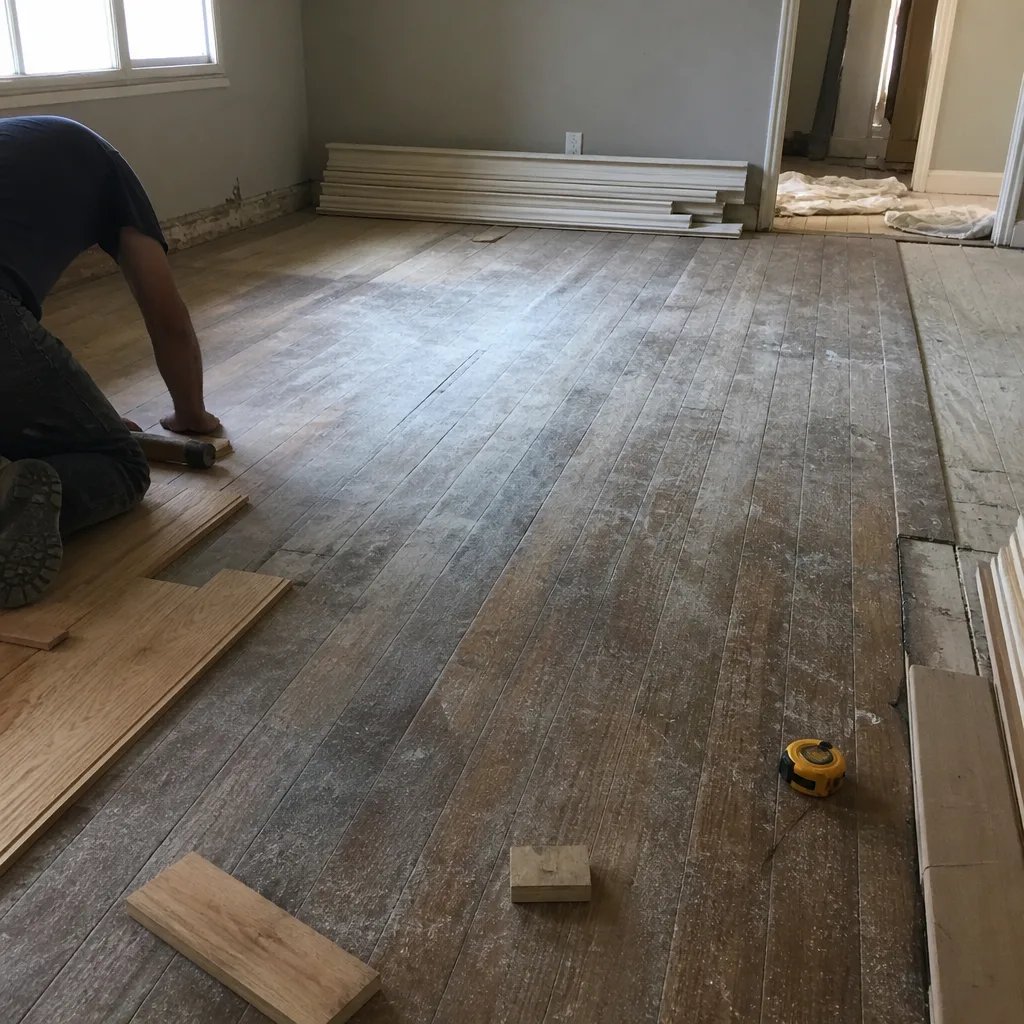 Before
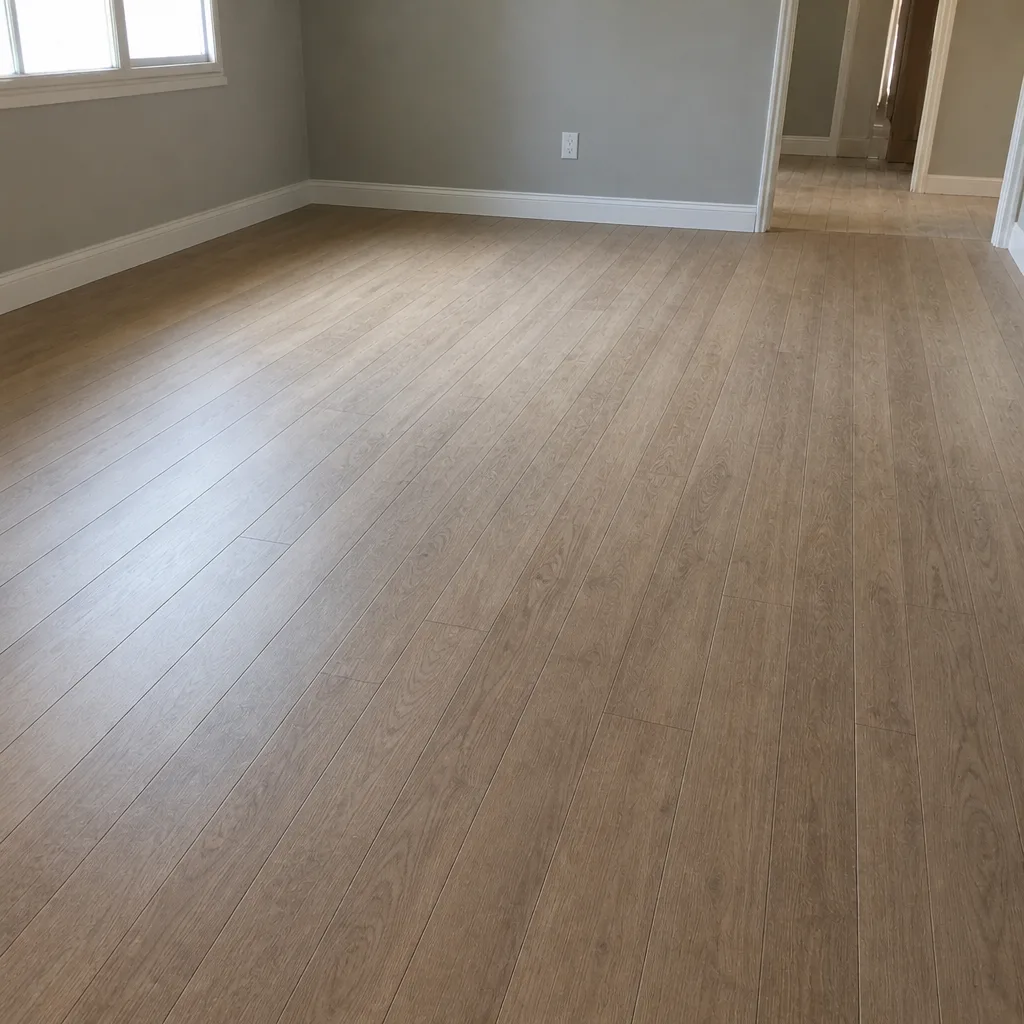 After
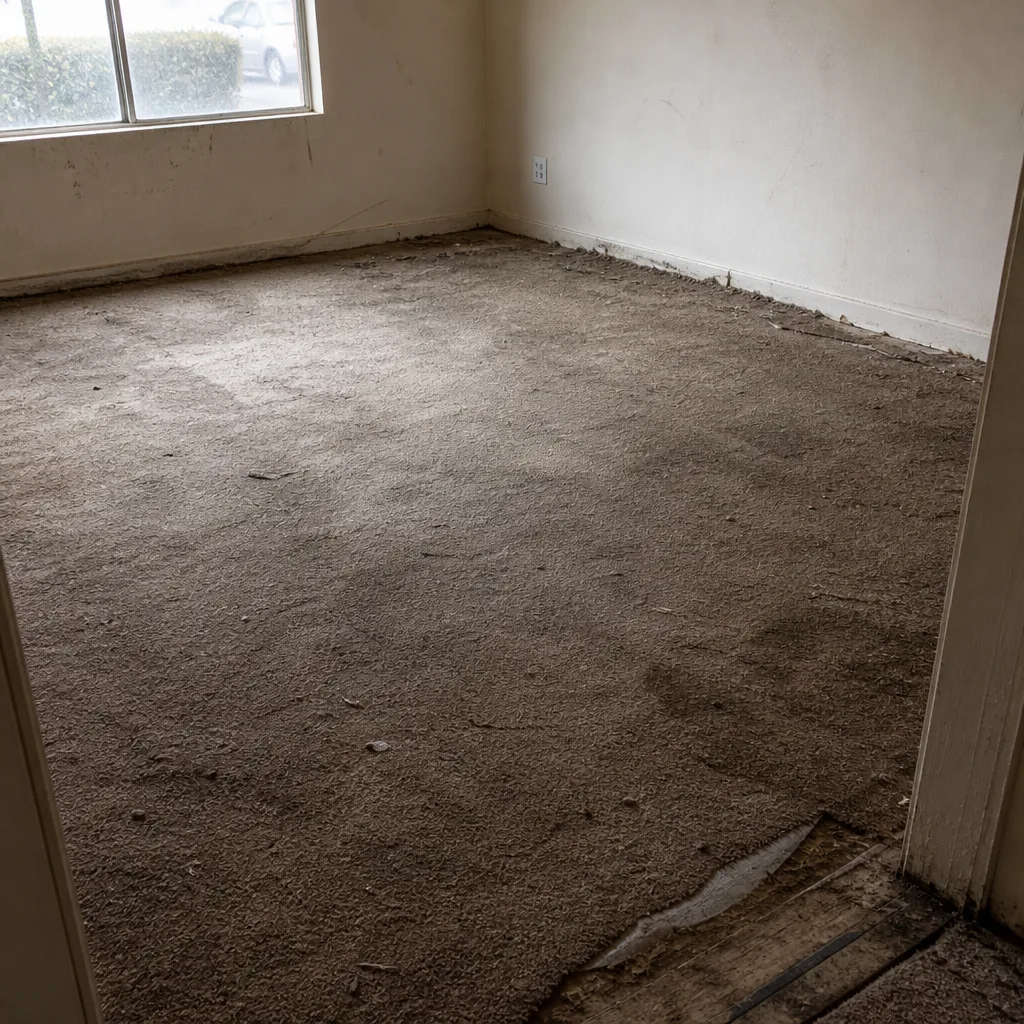 Before
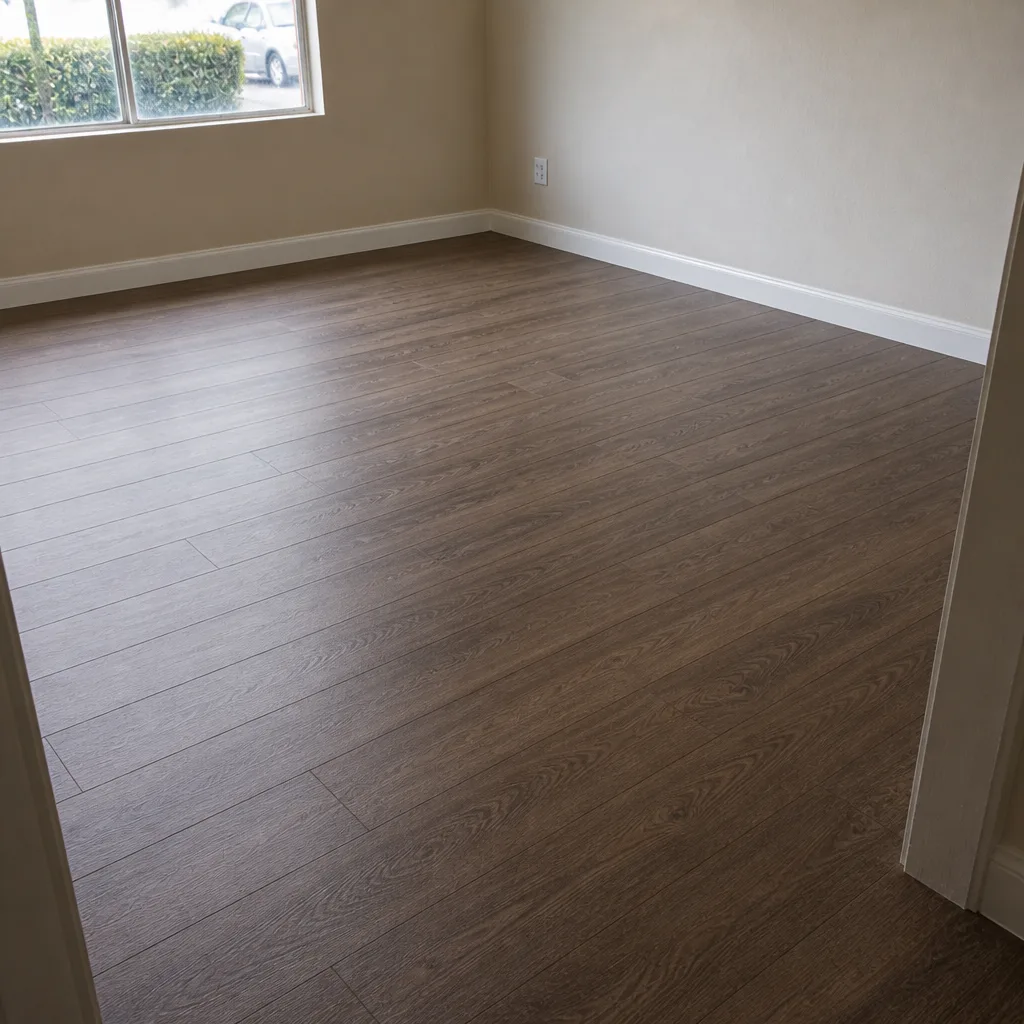 After
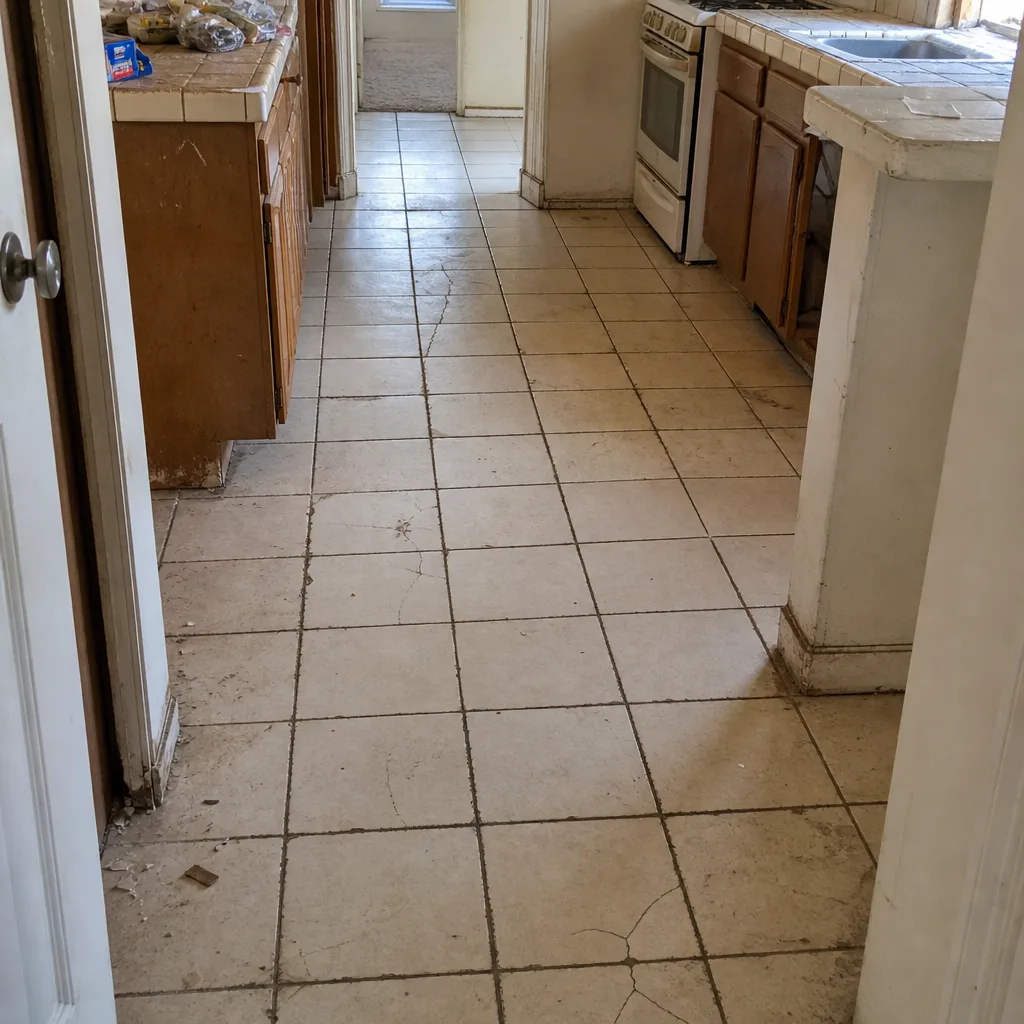 Before
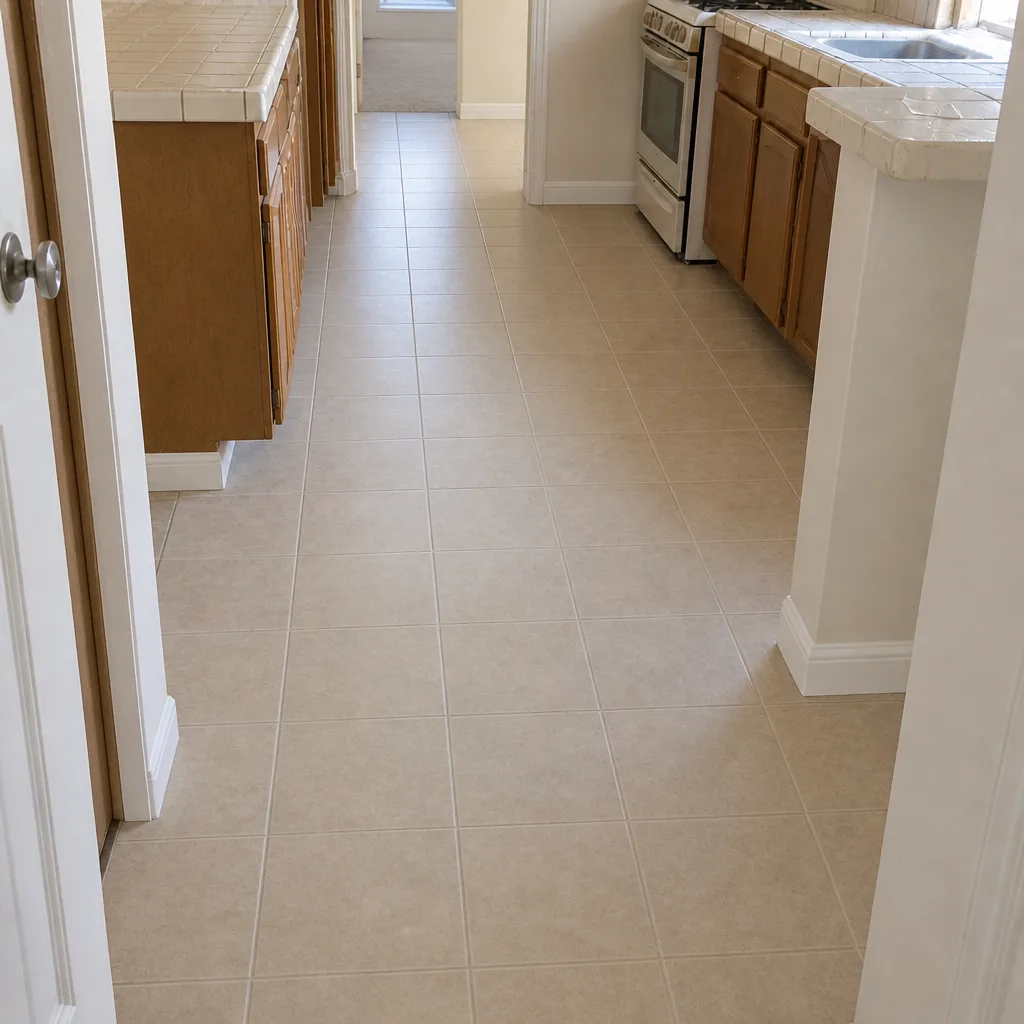 After