
Last updated November 18, 2026
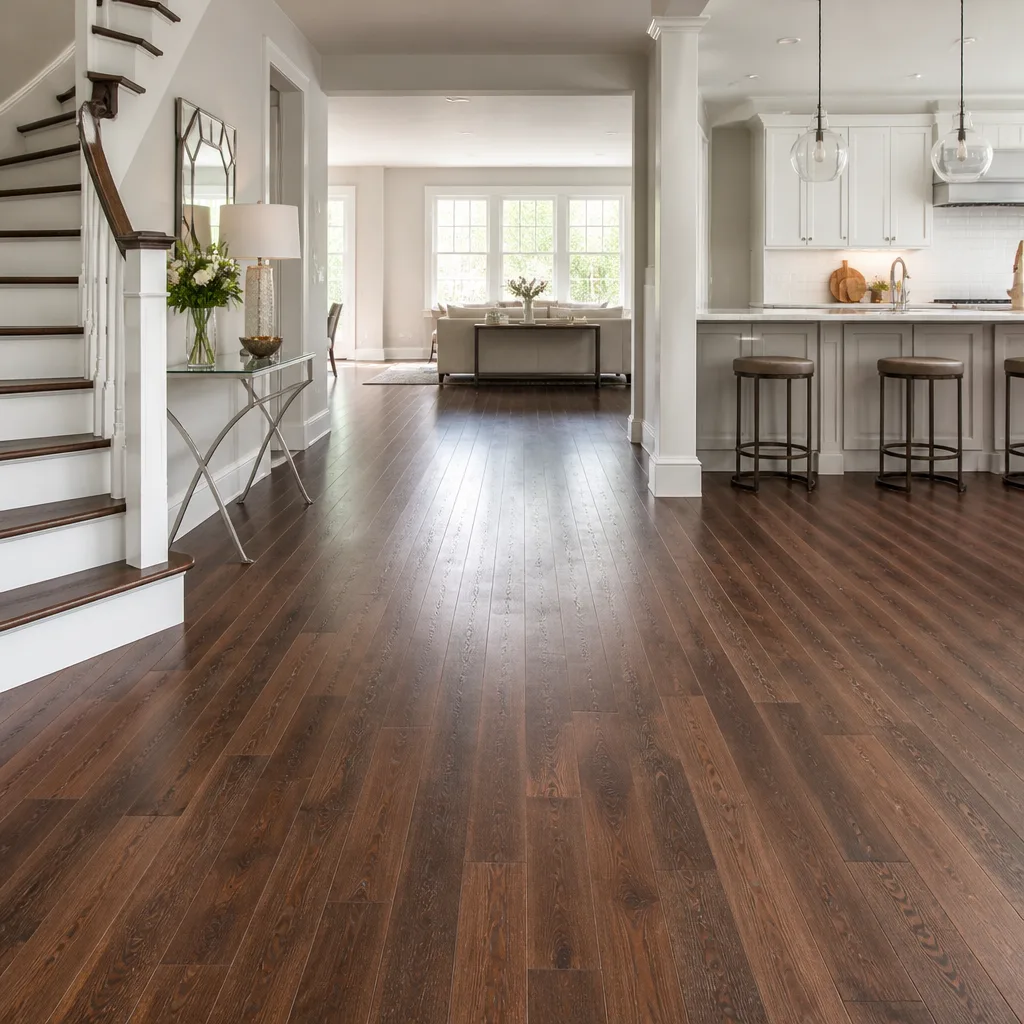 Hardwood
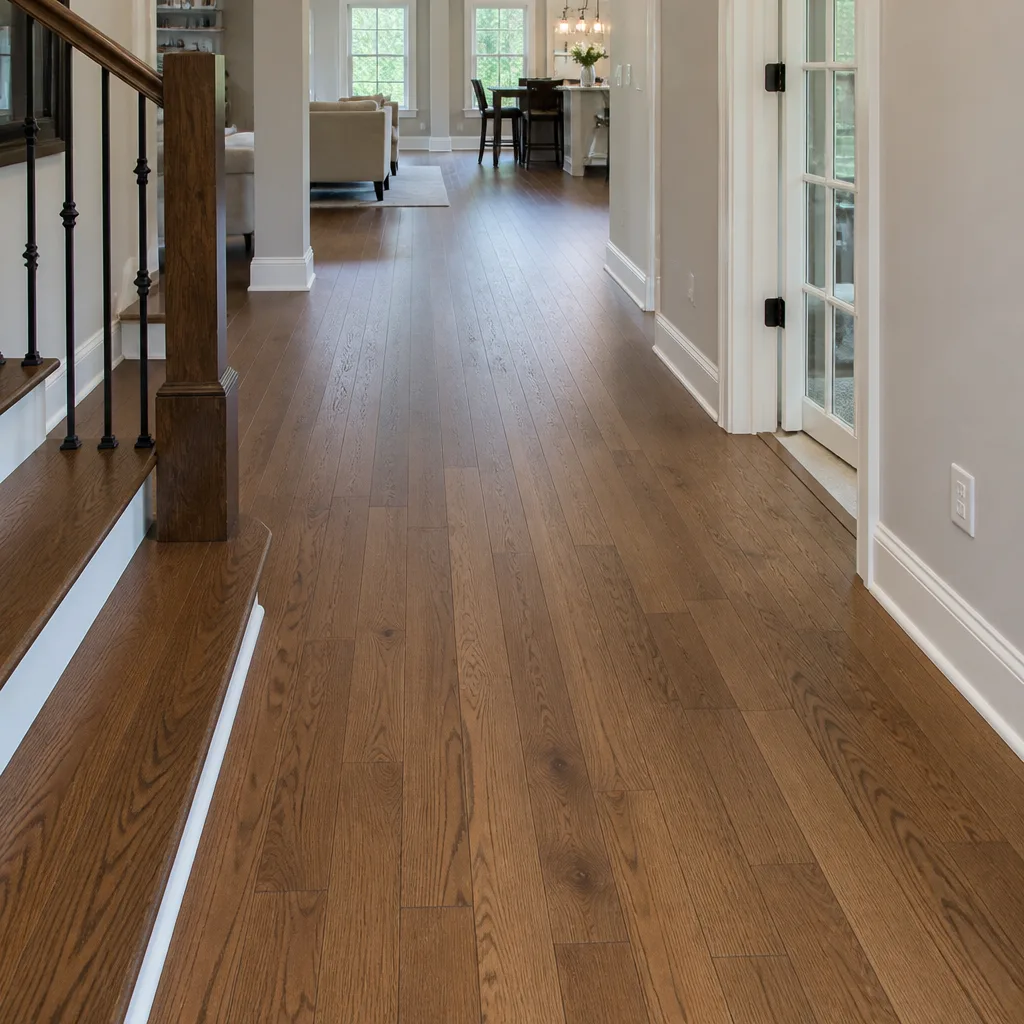 Engineered hardwood
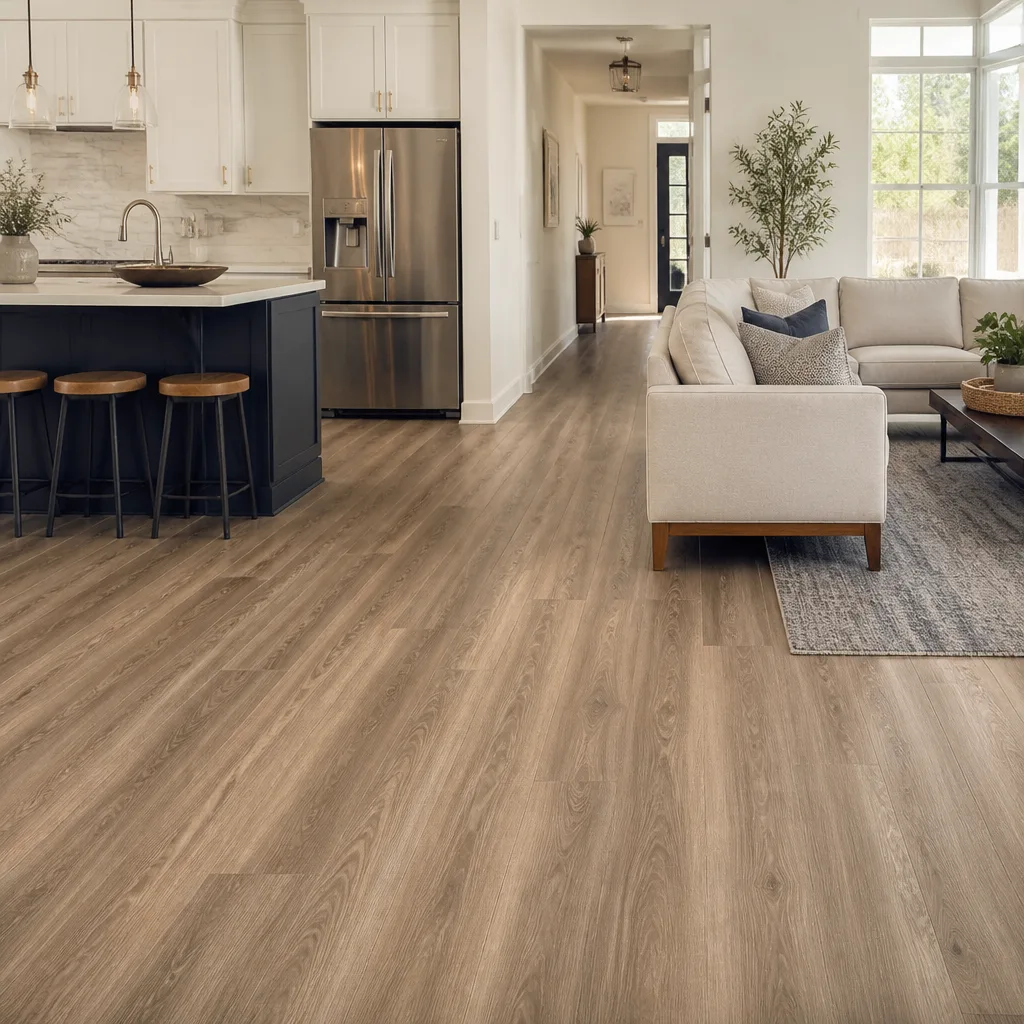 Luxury vinyl plank
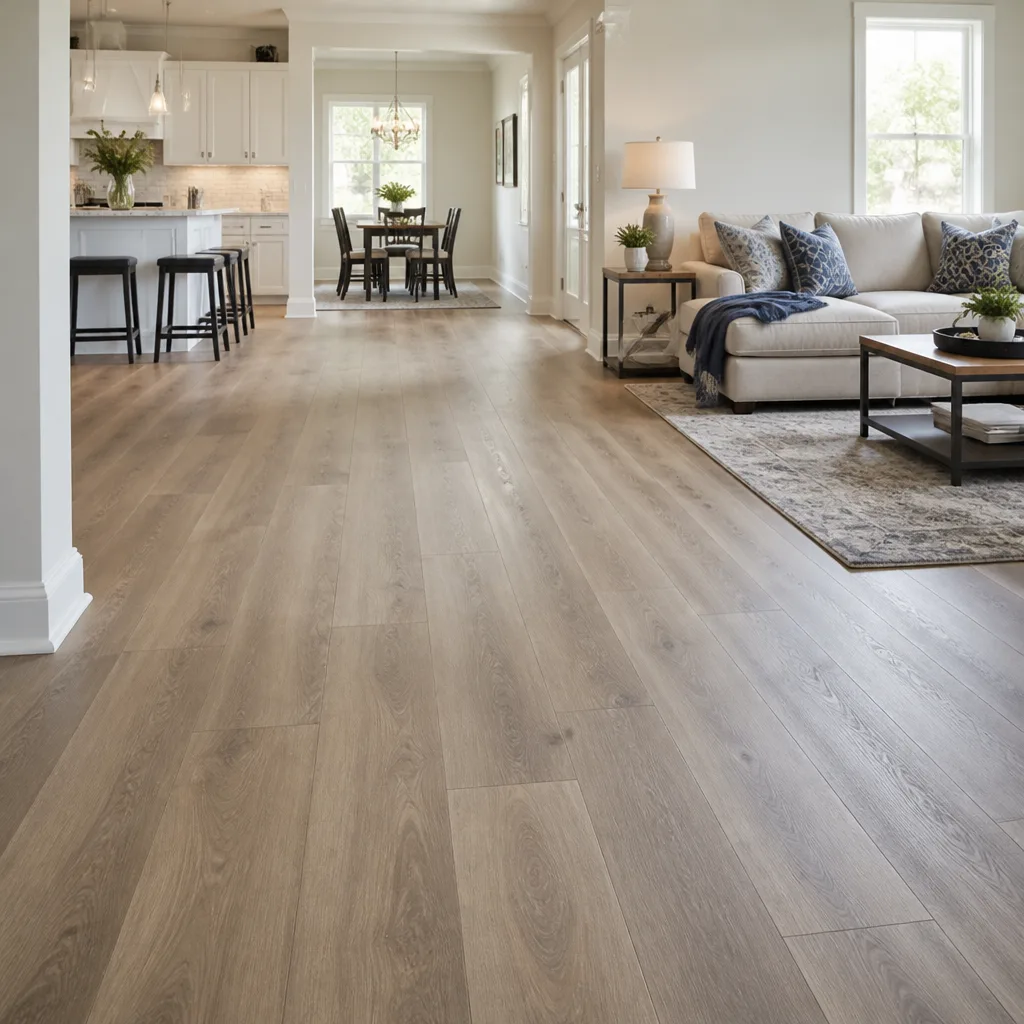 Laminate
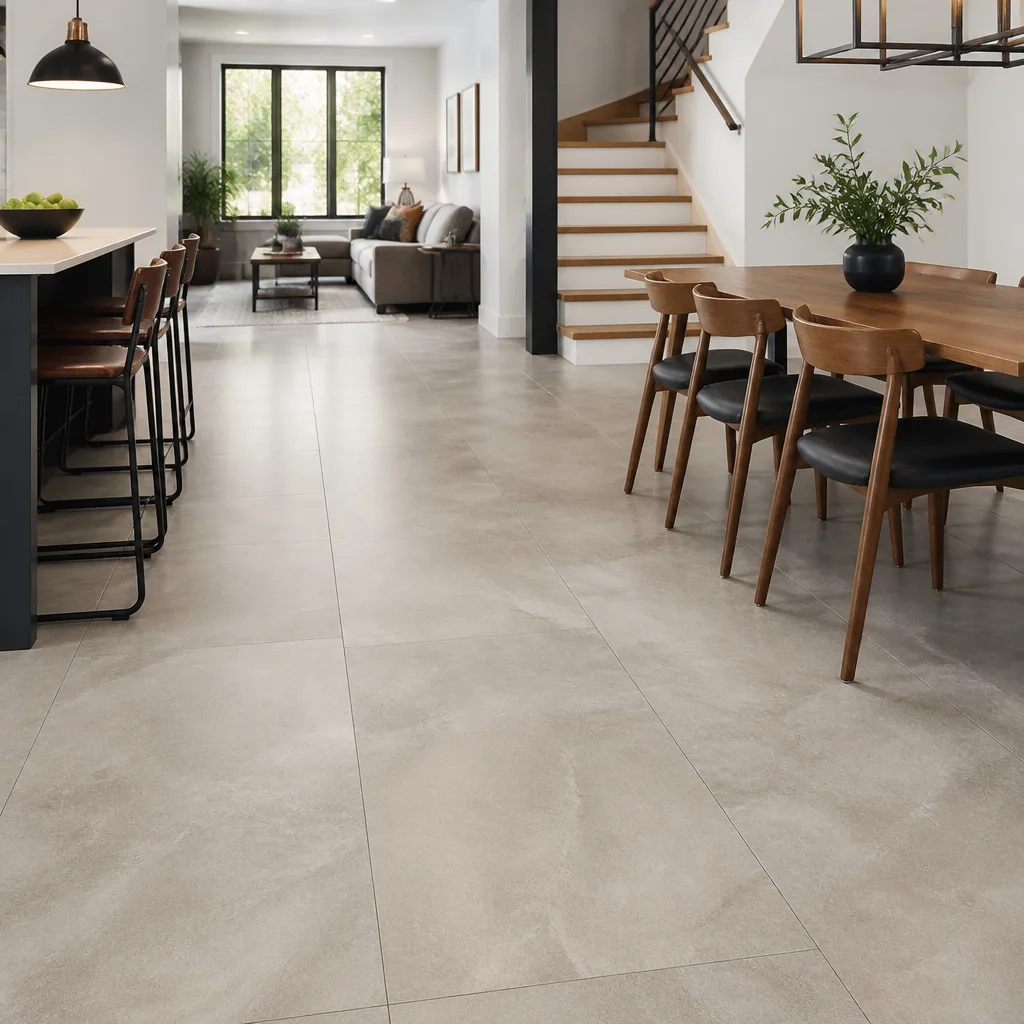 Porcelain tile
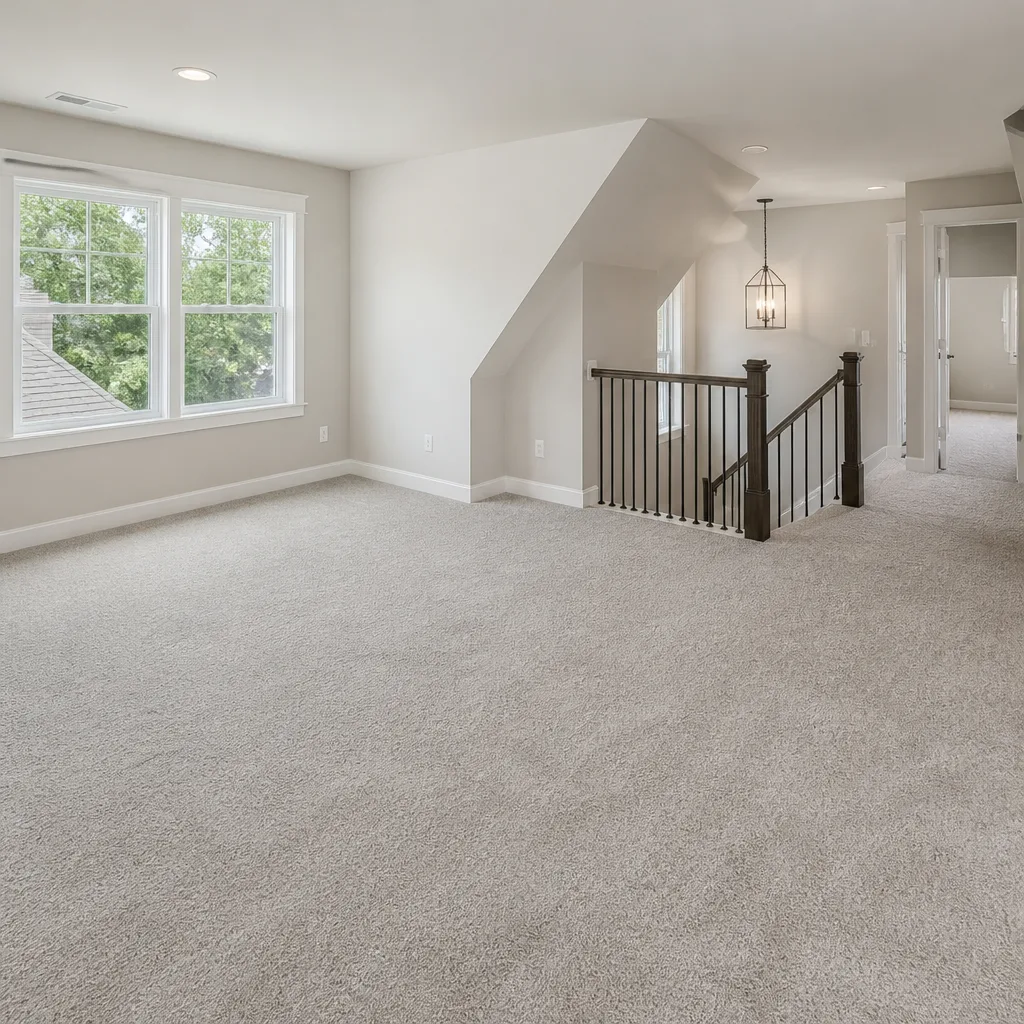 Carpet
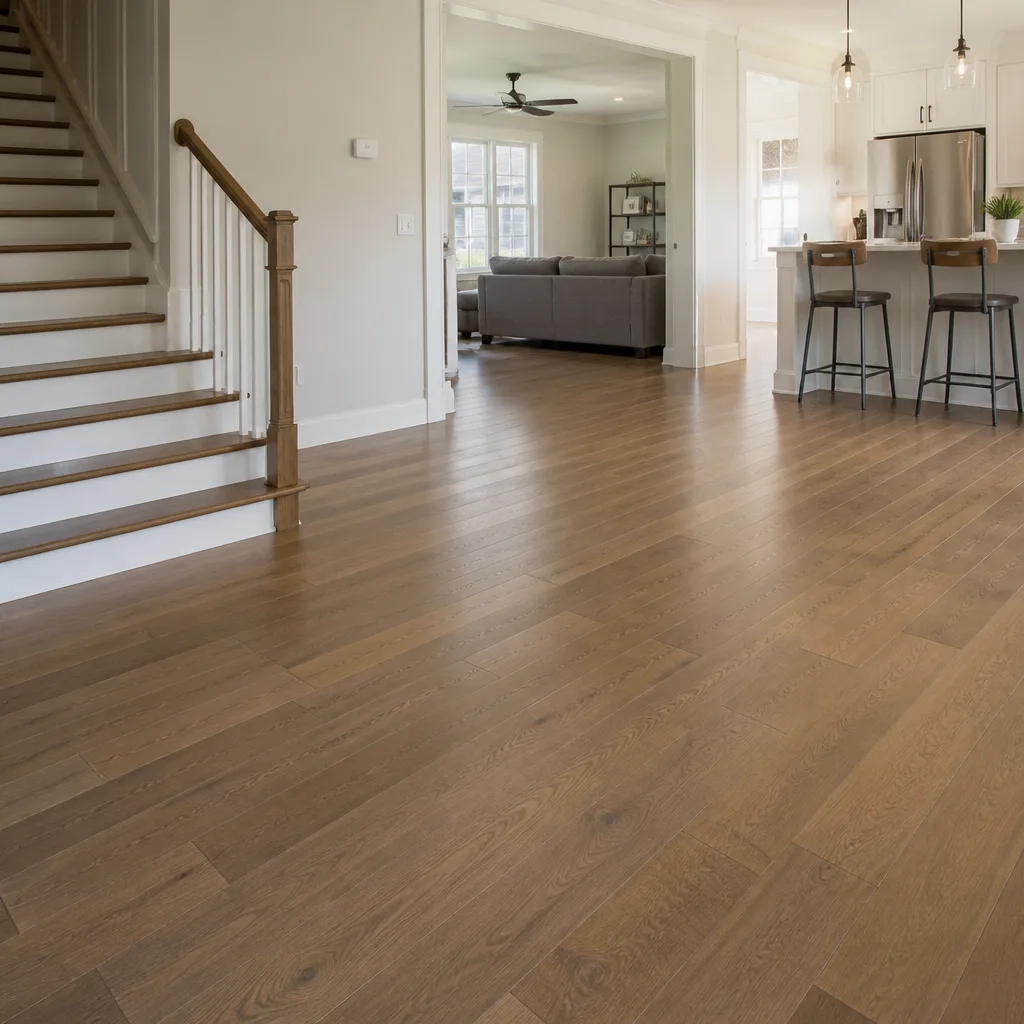 Shaw
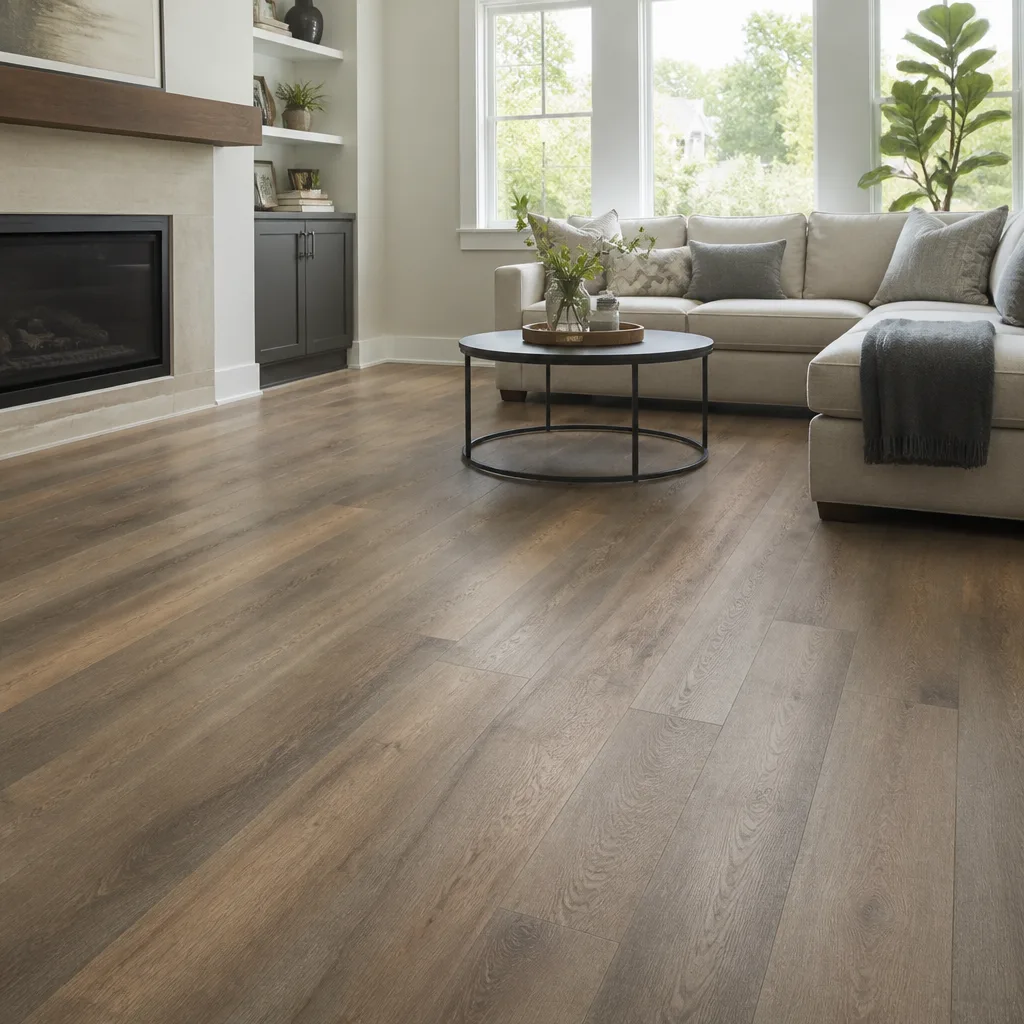 Mohawk
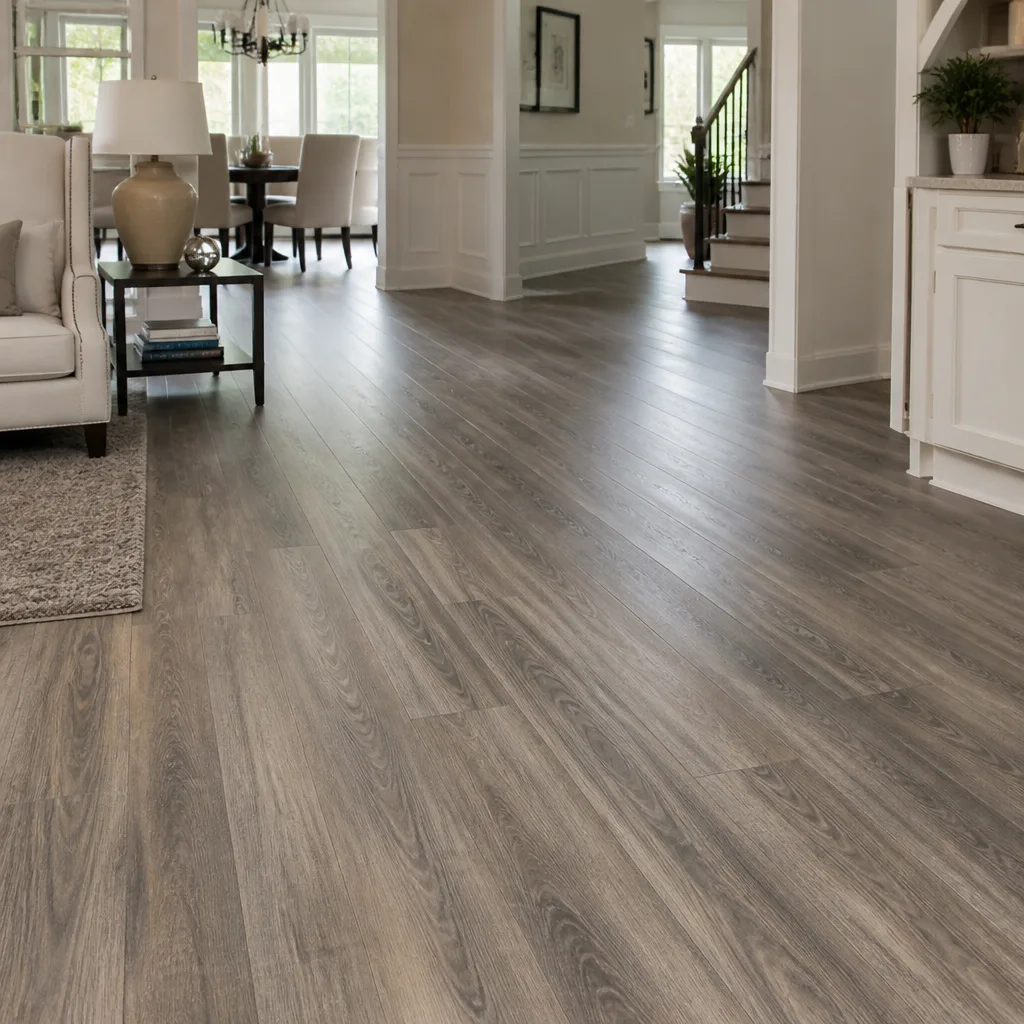 COREtec
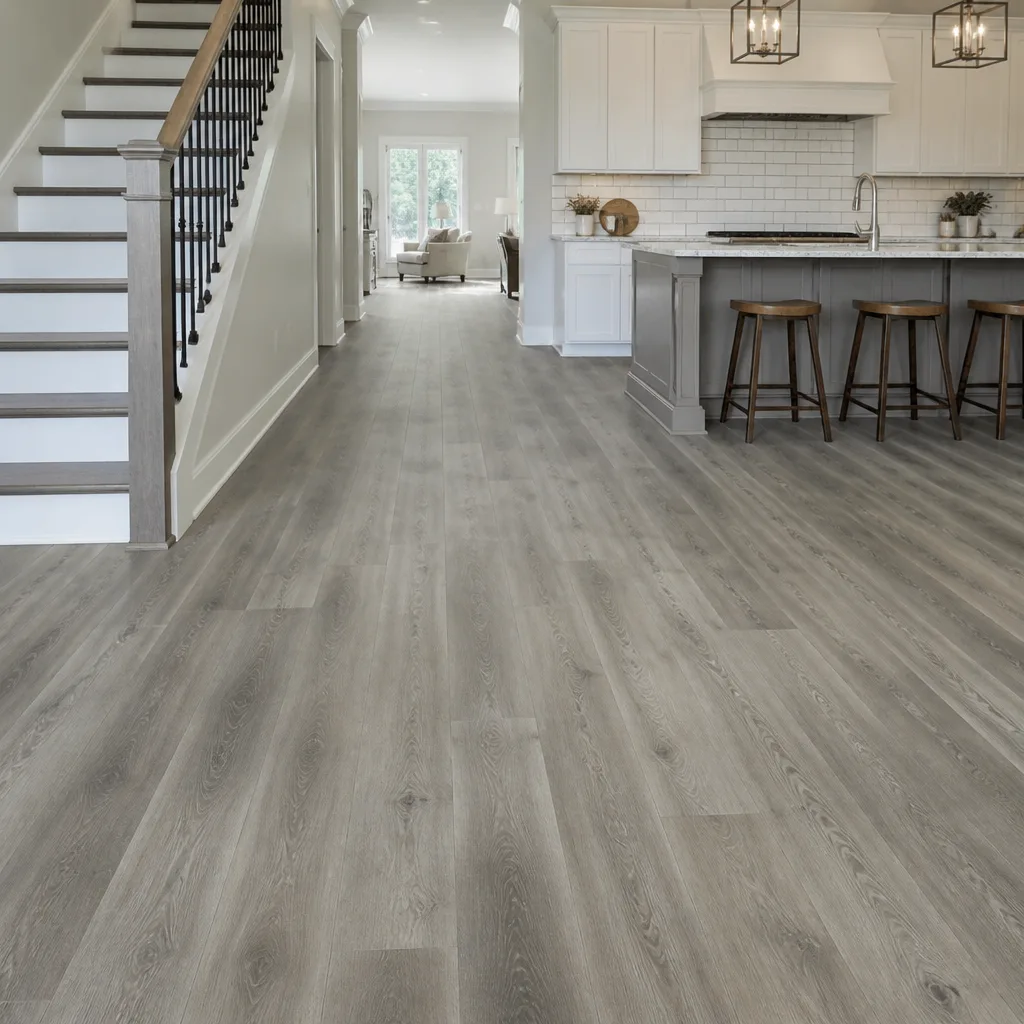 Pergo
Free in-home measure and written estimate: Shaw, Mohawk, COREtec and Pergo lines compared on your own rooms, with carpet, tile, vinyl plank, laminate and hardwood laid out side by side
Get your free estimateHow to Care for New Flooring: Hardwood, Vinyl, Laminate, Tile and Carpet
Most flooring care advice you’ll read was written for a climate that doesn’t exist here. Manufacturer schedules assume average humidity, moderate sun, and ordinary household dust. A Las Vegas home runs hot and dry, gets hammered by UV through south- and west-facing windows, and takes in a fine desert dust that behaves more like sandpaper than soot. That dust carries silica, and silica scratches. The “sweep occasionally” routine from a care guide written for a damp climate will leave visible micro-scratching on your finish faster than you’d expect. This guide covers what actually changes for a Las Vegas floor: real cleaning frequency, how dry air treats hardwood and laminate, which window treatments protect a finish and which just look nice, the cleaners that quietly wreck certain floors, and how to tell cosmetic wear from structural damage before you spend money on the wrong fix.
Quick Answer
In Las Vegas, new flooring needs more frequent dry cleaning and less water than the care card suggests: sweep or vacuum grit daily on high-traffic paths, damp-mop only when needed with a pH-neutral cleaner, keep indoor humidity roughly steady, and block direct sun with UV-filtering window coverings. Match the routine to the material, because carpet, tile, vinyl, laminate and hardwood each fail in different ways out here. When in doubt, dry beats wet, and a written care plan at installation beats guesswork afterward.
Styles & brands we work with
- Hardwood
- Engineered hardwood
- Luxury vinyl plank
- Laminate
- Porcelain tile
- Carpet
- Shaw
- Mohawk
- COREtec
- Pergo
Table of Contents
- Why Las Vegas Dust Changes the Whole Routine
- A Material-Specific Cleaning Frequency Guide for Las Vegas
- Dry Desert Air: How It Treats Hardwood and Laminate Differently
- UV Protection: Which Window Treatments Actually Protect a Finish
- Cleaners That Damage Specific Floors
- Cosmetic Wear vs. Structural Damage: Telling Them Apart
- The First Month: What a New Floor Needs From You
- Common Mistakes to Avoid
- When to Call a Professional
- Frequently Asked Questions
Why Las Vegas Dust Changes the Whole Routine
The dust in a Las Vegas home is not the same substance as the dust in a humid-climate care guide. Desert air carries fine mineral particles, and much of that is silica. Silica is harder than most floor finishes. When it sits on a floor and gets walked on, it grinds. You won’t see the damage the first week. Over months of traffic, it shows up as a dulled sheen along the paths people walk most, and eventually as a network of fine scratches in the finish itself.
That single fact resets the priority order for floor care here. Most care guides start with cleaning products and stain removal. In Las Vegas, grit removal comes first. Everything else is secondary, because a floor kept free of abrasive dust will outlast a floor cleaned with the finest product on the shelf but swept twice a week.
Three things follow from this:
- Dry cleaning is the main event, not the warm-up. Sweeping, dust mopping and vacuuming on a daily rhythm matter more than any wet cleaning you’ll do.
- Entry zones deserve double attention. Most grit enters on shoes. A mat outside and a mat inside every exterior door catches a large share before it reaches the living space.
- Filtration helps the floor. A well-maintained HVAC filter and regular dusting of horizontal surfaces reduce how much airborne dust settles back onto the floor.
We’ve seen the difference this makes in Las Vegas homes that treat grit as the enemy versus homes that follow a generic damp-mop schedule. The pattern is consistent. Same flooring, same traffic, two very different surfaces after a couple of seasons. If you’re choosing a floor from scratch and want the low-maintenance end of the range, our guide to Las Vegas Flooring Installation walks through how the material choice itself sets your long-term cleaning load.
A Material-Specific Cleaning Frequency Guide for Las Vegas
Generic manufacturer schedules assume average dust. Las Vegas homes take in more. The table below adjusts the routine upward for desert dust infiltration, material by material. Treat these as starting rhythms and tighten them if you have pets, kids, or a home near an open desert edge or a busy road.
- Carpet: Vacuum high-traffic paths two to three times a week; whole rooms weekly. Deep clean on the product’s recommended schedule.
- Tile (porcelain and ceramic): Dust mop every other day; damp mop weekly. Grout likes a gentler, less frequent scrub.
- Luxury vinyl plank and tile (LVP/LVT): Dry sweep or vacuum daily; damp mop weekly with a pH-neutral cleaner. Watch the wear layer for grit.
- Laminate: Dry clean daily; damp clean only when needed and never wet. Laminate is water-resistant on the surface, not a wet-mop floor.
- Engineered hardwood: Dust mop daily; damp clean with a finish-appropriate cleaner on a light schedule.
- Solid hardwood: Dust mop daily; damp clean weekly with a pH-neutral cleaner formulated for the finish.
Two rules cut across every material:
- Dry before wet. Always remove grit first. Damp-mopping over abrasive dust is how you turn a cleaning session into a polishing session with sandpaper.
- Water is the enemy of the joints. Use the least moisture that does the job. Standing water at seams, edges and around transitions is where damage starts in every floor type except properly installed tile.
For carpet, the vacuum matters as much as the frequency. A machine with strong suction and a working beater bar lifts grit that a light pass leaves behind. If you’re still choosing carpet and want a floor that pairs a comfortable surface with a workable cleaning routine, our page on carpet installation covers what to look for in fiber and construction for a high-traffic Las Vegas household.
Dry Desert Air: How It Treats Hardwood and Laminate Differently
Most care guides quietly assume you live somewhere with humid summers. Las Vegas doesn’t. Average indoor humidity here can sit well below what wood and laminate manufacturers picture when they write care instructions, and the swing between a dry winter and a monsoon-season spike is wider than in many other regions. Wood is hygroscopic: it takes on and gives off moisture with the air. In a very dry home, planks can shrink slightly, and gaps open at the seams. In a humid stretch, they can swell, and edges can cup or feel uneven underfoot.
Laminate isn’t wood, but it still has a core that responds to moisture in the air, and its joints are more sensitive to extremes than people expect. Engineered hardwood is more stable than solid wood because its core is built from cross-laminated layers, but it isn’t immune. Solid wood moves the most.
What a real humidification strategy looks like in practice:
- Measure before you adjust. A simple hygrometer gives you an indoor reading. Watch it over a week or two, not a single day.
- Aim for a steady middle. The product’s care sheet sets the target range for your specific floor. Steady beats perfect: big swings do more damage than a stable number slightly off the ideal.
- Humidify thoughtfully. A whole-home humidifier controlled to a set point is steadier than portable units that cycle on and off. If you use portable units, spread them out and avoid blowing moisture directly at one area of the floor.
- Don’t overcorrect in monsoon season. During a humid stretch, a dehumidifier or good ventilation may matter more than adding moisture.
- Give wood time to settle after install. A new floor adjusts to your home’s moisture environment. Keep conditions steady through that period.
In our experience, most cupping and gapping complaints in Las Vegas trace back to an uncontrolled indoor environment, not the floor itself. The material handles the climate; the home has to help it. For more on what the installation itself accounts for, the Las Vegas flooring overview is a useful starting point.
UV Protection: Which Window Treatments Actually Protect a Finish
Las Vegas gets more sun than most of the country, and UV exposure is one of the most underappreciated causes of finish damage. It’s invisible until it shows up. Sun does two things to a floor. It fades and breaks down the finish, and on dyed or stained materials it can shift the color under the protected and unprotected zones at different rates. Over time you can see a lighter patch exactly where sunlight lands and a darker patch where it doesn’t.
The daily sun pattern matters here more than the total. A west-facing window in the afternoon takes a direct hit for hours. That’s where the finish ages fastest. This is where window treatments separate into two camps: real protection versus decoration.
Treatments that make a measurable difference:
- UV-filtering window film. Applied to the glass, it blocks most of the UV that does the damage. It’s the most direct layer between sun and floor.
- Roller shades or cellular shades with UV-rated fabric. When drawn during peak sun, they cut direct exposure. Fabric density matters; thin sheers do little.
- Exterior shades or awnings. Blocking sun outside the glass is more effective than anything inside it, because the light never enters.
- Solar screens. Common in Las Vegas and useful, especially on west-facing glass.
Treatments that are mostly aesthetic:
- Sheer curtains and light linen curtains. They soften the look but block little UV.
- Decorative shutters left open. They add character but only help when closed during strong sun.
- Interior blinds with wide slats turned open. They cut some direct light but leave the floor exposed to the angled sun that does most of the harm.
Sun exposure isn’t a one-time problem. It’s a daily, cumulative one. Rotating large rugs and repositioning furniture every few months spreads wear and color shifts more evenly across the floor, and if you’re refinishing, we treat even exposure as part of planning the job. Good protection adds years to the finish and delays needing a refinish. If you’ve already got a sun-faded floor, refinishing is one of the areas where the right material choice matters. Pergo and Armstrong laminate lines, for instance, hold their color well in bright rooms, though no floor dislikes direct sun.
Cleaners That Damage Specific Floors
This is where more damage gets done than from any cleaning schedule. Several products sold as “floor cleaners” are wrong for the floor they’re being sprayed on. The label helps, but it isn’t always enough: a cleaner can be marketed for “hard floors” and still be a bad match for a specific finish or a specific wear layer.
The products that do real harm, and the floors they hurt:
- Oil-based soaps and “conditioning” cleaners on luxury vinyl plank. They leave a film that traps dust and dulls the wear layer. Some can stain the surface over time. The same goes for wax-based products: a wear layer doesn’t need to be fed, and adding wax on top of it is a mess to undo.
- Acid-based cleaners on natural stone and grout. Acid etches stone and weakens grout over time. Match the cleaner to the tile surface, not just the fact it’s tile.
- Ammonia-heavy glass and multi-surface cleaners on engineered hardwood. Repeated use dulls the finish, and the residue builds up in the seams.
- Vinegar-and-water mixes on stone and on laminate. Popular online, but acid is not kind to stone, and laminate doesn’t need it.
- Steam mops on laminate and most LVP. Steam drives moisture into seams and edges. Even a water-resistant plank can take damage at the joints. Steam isn’t a cleaning shortcut here.
- Wax or polish on laminate. Laminate has a factory finish. Wax can dull it and won’t wear evenly.
For LVP, a pH-neutral cleaner is the safe default: LifeProof and COREtec both perform well when cleaned that way, and the film buildup from scented floor sprays is a common complaint. For hardwood, the finish type sets the cleaner. A polyurethane floor wants something made for it, and a penetrating-oil finish wants a different product entirely. A good rule for every floor: when a cleaner promises to do more than clean, read the label twice. If your floor came with a care sheet, that sheet outranks any product you buy at a store.
Cosmetic Wear vs. Structural Damage: Telling Them Apart
Not every mark on a floor needs a contractor. Many need nothing more than patience. The trick is knowing which is which before you spend money on the wrong fix.
Cosmetic wear is on the surface. Scratches in the topcoat, scuffs, minor dulling along traffic paths, and stains on a wear layer usually fall here. Cosmetic wear changes how a floor looks, not how it performs. A light scratch in a finish can sometimes be buffed or touched up, and it won’t shorten the floor’s life.
Structural damage is different. It involves the material below the surface: cupping or crowning in wood, delamination in laminate, broken tile, gaps that keep opening, or soft spots underfoot. Structural damage changes how a floor performs and can get worse if ignored.
A practical test, in three steps:
- Look at depth. Run a fingernail lightly across a scratch. If it catches, it’s deeper than the finish coat and worth a closer look. If it barely registers, it’s cosmetic.
- Check for movement. Does the floor feel soft or shift underfoot at a specific spot? Does a seam or tile feel loose? Movement is a structural sign.
- Watch the floor over time. Cosmetic marks stay roughly the same. Structural problems grow: a gap that widens, a tile that cracks further, a cupped edge that spreads.
The refinish question is where this distinction pays off. Refinishing removes the top layer of a wood floor and restores a fresh surface. It only works if there’s enough wood thickness left to sand and refinish safely. That depends on the wood type, how it was built, and its condition. It’s checked at the estimate visit, not guessed from a photo. Some floors can be refinished and some can’t; an engineered floor with a thin wear layer may not have enough to sand. Solid wood usually offers more options. If you’ve got a solid wood floor with cosmetic wear and you want it restored rather than replaced, tile flooring installation isn’t the answer – hardwood refinishing is its own discipline, and it’s one we treat as restoration work, not a service add-on. Laminate that has delaminated or swollen at the seams, and tile that has cracked through, generally can’t be refinished, and replacement is the realistic route.
The First Month: What a New Floor Needs From You
The first weeks after installation set the tone for the whole life of the floor. Brand-new flooring gets a fresh start, and what you do in that first month often decides whether it stays looking that way.
What we’d ask in a new Las Vegas home:
- Follow the care sheet first, before any product you already own. It’s written for the exact product you chose, and it takes precedence over any general guide, including this one.
- Keep the entryway clean. Mats at every exterior door, shoes off or wiped off. The first month is when habits form and when most grit either gets caught or gets walked in.
- Don’t rearrange heavy furniture constantly. Give the floor a chance to settle before you move a lot of weight around. Felt pads on furniture feet are a small step that saves a lot of surface wear.
- Wipe up spills promptly, especially on laminate and engineered hardwood. A spill isn’t a crisis if it’s mopped up. Sitting water on a joint for hours is where damage starts.
- Watch the humidity in the home if wood or laminate is part of the picture. A stable environment now avoids movement later.
- Note any concerns early. Anything that seems off is easier to address while it’s fresh than after a season passes.
If something does go wrong with how the floor wears, check in sooner rather than later. Products installed with properly matched materials and manufacturers’ instructions do better than most people expect; the effort goes into applying the care routine correctly from the start.
Common Mistakes to Avoid
- Wet-mopping any wood, laminate, or vinyl floor. Water is the enemy of seams. Use a damp mop with the least moisture that does the job, and never let puddles sit, especially on laminate.
- Using vinegar on stone or grout. Acid cleaners etch stone and weaken grout. Match the cleaner to the surface, and read the label rather than the online tip.
- Skipping grit removal on high-traffic paths. In Las Vegas dust, dry cleaning is the main event. A floor kept free of abrasive particles will outlast one cleaned with premium products but swept twice a week.
- Assuming a “floor cleaner” label fits your floor. Many spray cleaners marketed for hard floors are wrong for LVP or engineered hardwood. The care sheet that comes with the product is the reference, not the store shelf.
- Refinishing a floor that isn’t thick enough. Sanding down a thin wear layer can expose the core below. Whether refinishing is viable is checked at the estimate, not assumed.
- Ignoring direct sun on west-facing glass. UV exposure ages a finish and fades color. Window film, shades and exterior screens do more for floor longevity than any polish. Sheer curtains don’t count.
- Letting indoor humidity swing unchecked. Dry desert air and humid monsoon months both ask wood and laminate to move. A steadier indoor environment prevents most cupping and gapping.
When to Call a Professional
Some flooring care is yours to handle, and some of it needs a trained eye. Call a professional when a wood floor is cupping, crowning, or gapping in a way that keeps getting worse, or when you’re unsure whether a floor can be refinished at all. Call when a laminate floor has swollen at the seams or a plank has delaminated. Call when tile is cracked, loose, or a shower floor feels soft underfoot. Call when structural damage is involved, when a repair would need a floor to be lifted or replaced, and when you’re choosing a floor and want the product right the first time. Las Vegas Flooring Installation offers free estimates in Las Vegas, and the visit is the place to get exact information: whether refinishing is a real option for your floor, what’s going on under it, and what the next step costs. Call (888) 268-1308.
Frequently Asked Questions
In Las Vegas, clean more often than a generic care guide says, because desert dust is abrasive and carries silica. A workable baseline is dusting, sweeping or vacuuming high-traffic paths most days, and damp cleaning once a week with the least moisture the material allows. Carpet wants more frequent vacuuming than tile: two to three passes a week on paths, with whole-room vacuuming weekly. Tighten the schedule if you have pets or kids. The care sheet that comes with your product sets the floor you shouldn’t go below.
Dry air doesn’t ruin hardwood, but it does make it move. Wood shrinks as indoor humidity drops and swells as it rises, which is why gaps open at seams in dry months and edges can cup in humid stretches. The fix isn’t a single perfect reading; it’s a steady indoor environment. A hygrometer, a controllable humidifier in dry spells and sensible ventilation during humid ones do the most good. Engineered hardwood handles this better than solid wood because its layered core moves less. If you’re choosing a floor for a very dry home, that difference is worth asking about.
For LVP, the biggest offenders are oil-based soaps, wax-based “conditioning” cleaners and heavy scented sprays, all of which leave film or dull the wear layer. Steam mops also do damage by forcing moisture into seams – avoid them. For laminate, skip wax, polishing products and anything that leaves a coating; laminate has a factory finish, and added products tend to make it worse rather than better, and vinegar is unnecessary. A pH-neutral cleaner used lightly is the safe baseline for both, and the product’s care sheet overrides any general rule.
Refinishing works only if there’s enough wood thickness left to sand and refinish safely. Solid wood usually has more room than an engineered floor, which may have a thin top wear layer. So the answer depends on the material and its condition. That’s a question for the estimate visit, not a photo: a technician can check thickness and condition on site, then tell you whether refinishing or replacement is the realistic route. Cosmetic scratches in the finish usually don’t call for a full refinish at all.
Yes, window film and UV-rated shades make a measurable difference; sheer curtains and decorative shutters left open don’t. UV does two things: it breaks down the finish and it fades color, so the floor under direct sun ages faster than the floor in shade. West-facing windows in Las Vegas are the biggest exposure. UV-filtering film on the glass, exterior shades, solar screens and cellular shades with UV-rated fabric cut direct exposure. Sheers are mostly aesthetic. Rotating rugs and furniture spreads wear so no one zone ages far ahead of the rest.
Cosmetic wear sits on the surface: light scratches in the topcoat, scuffs and dulling. Structural damage goes deeper – cupping, delamination, broken tile, widening gaps or soft spots underfoot. A quick test: a scratch that barely registers under a fingernail is usually cosmetic; one that catches might be worth a technician’s review. Movement, cracks that spread and gapping that gets worse are structural signs. When in doubt, get an opinion before spending money on a fix that doesn’t match the problem.
Which brands should I look at for a Las Vegas home?
It depends on the room and how much care you want to give it. We install and service nine trusted brands, including Pergo, LifeProof, Mannington and Armstrong, and the choice should come down to the material you want in each space: resilience in high-traffic rooms, moisture tolerance in humid zones, and care routine in the rooms where you want the least work. If you already know the brand and product you want, tell us at the estimate; sourcing and installing the floor you chose is exactly the job. Your floor, your brand, and one installation team to answer for the result.
The Bottom Line
Flooring care in Las Vegas is close to the standard routine, but adjusted: grit first, less water, steady humidity, real sun protection. Material-specific routines matter because a wet mop that’s fine on tile can ruin laminate, and an oil-based cleaner that looks harmless on a shelf can dull a luxury vinyl wear layer. Know which wear is cosmetic and which is structural, because that distinction decides whether you refinish or replace. And that first month after install is when your care routine, good or bad, becomes a habit. When you’re ready for a free estimate on repair, refinishing or a new floor, call Las Vegas Flooring Installation at (888) 268-1308. We answer 24/7. Fast dispatch, 7am-7pm.
Written by the team at Las Vegas Flooring Installation.
See the difference
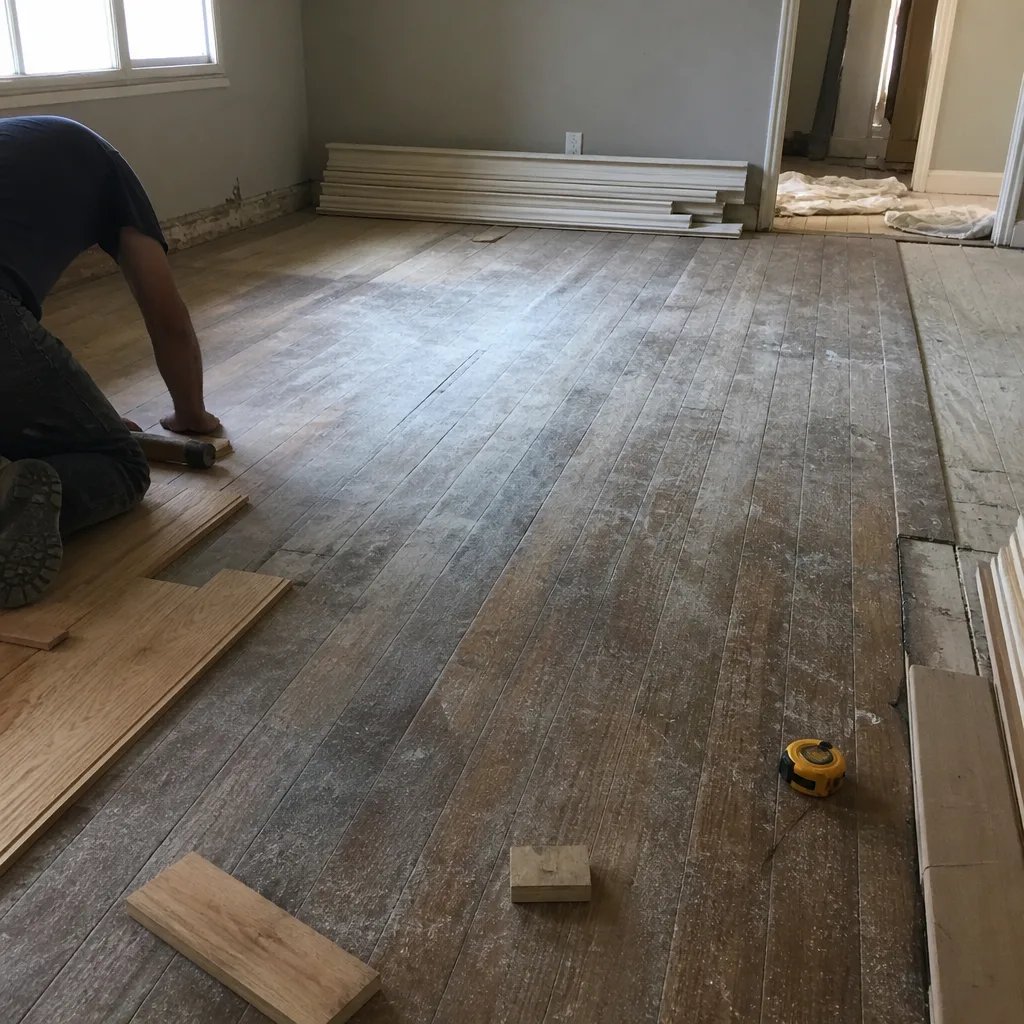 Before
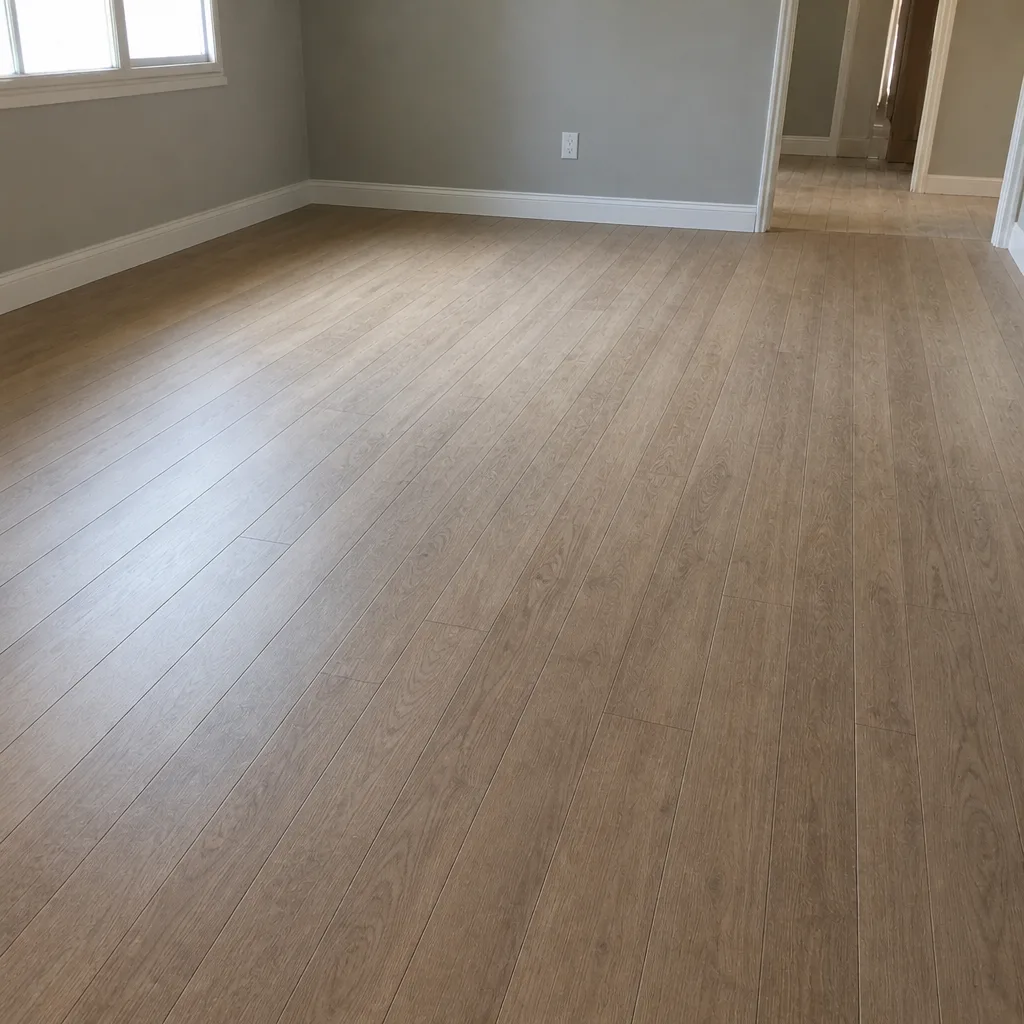 After
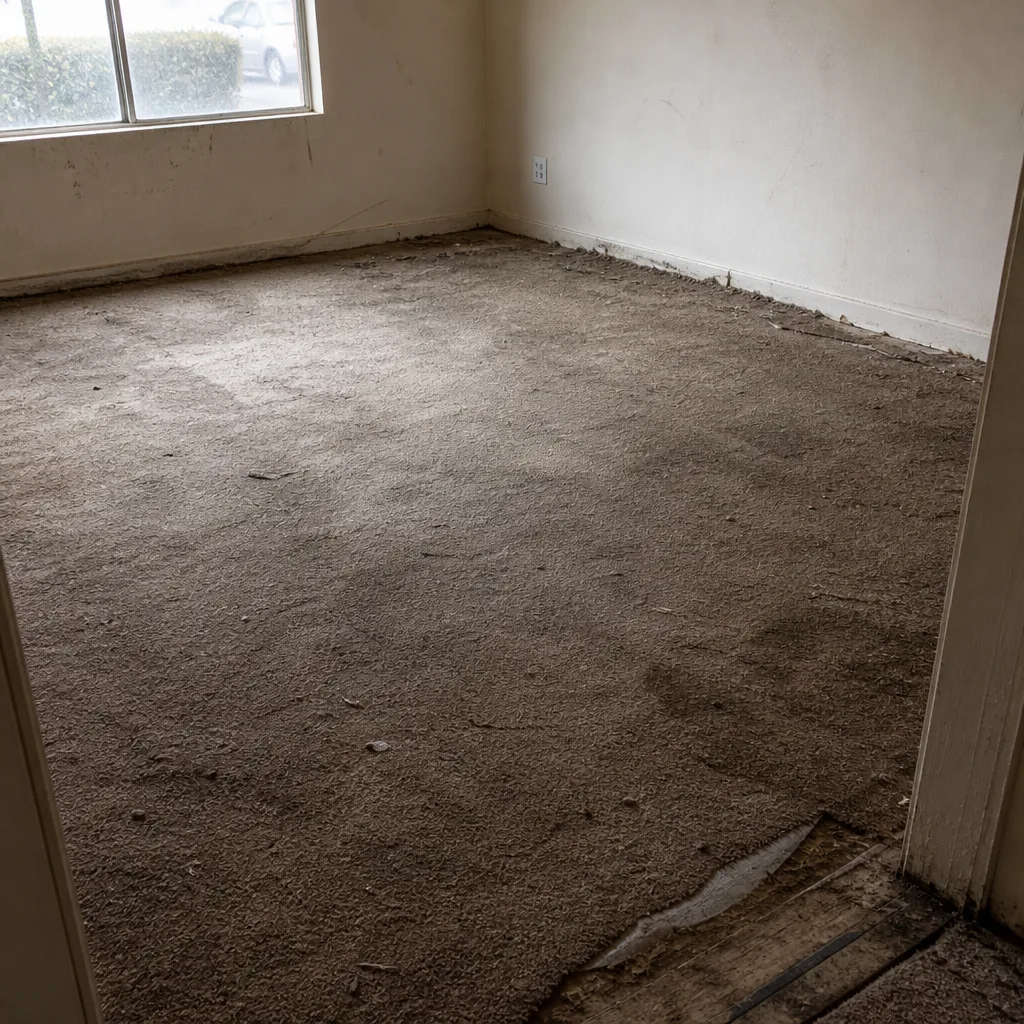 Before
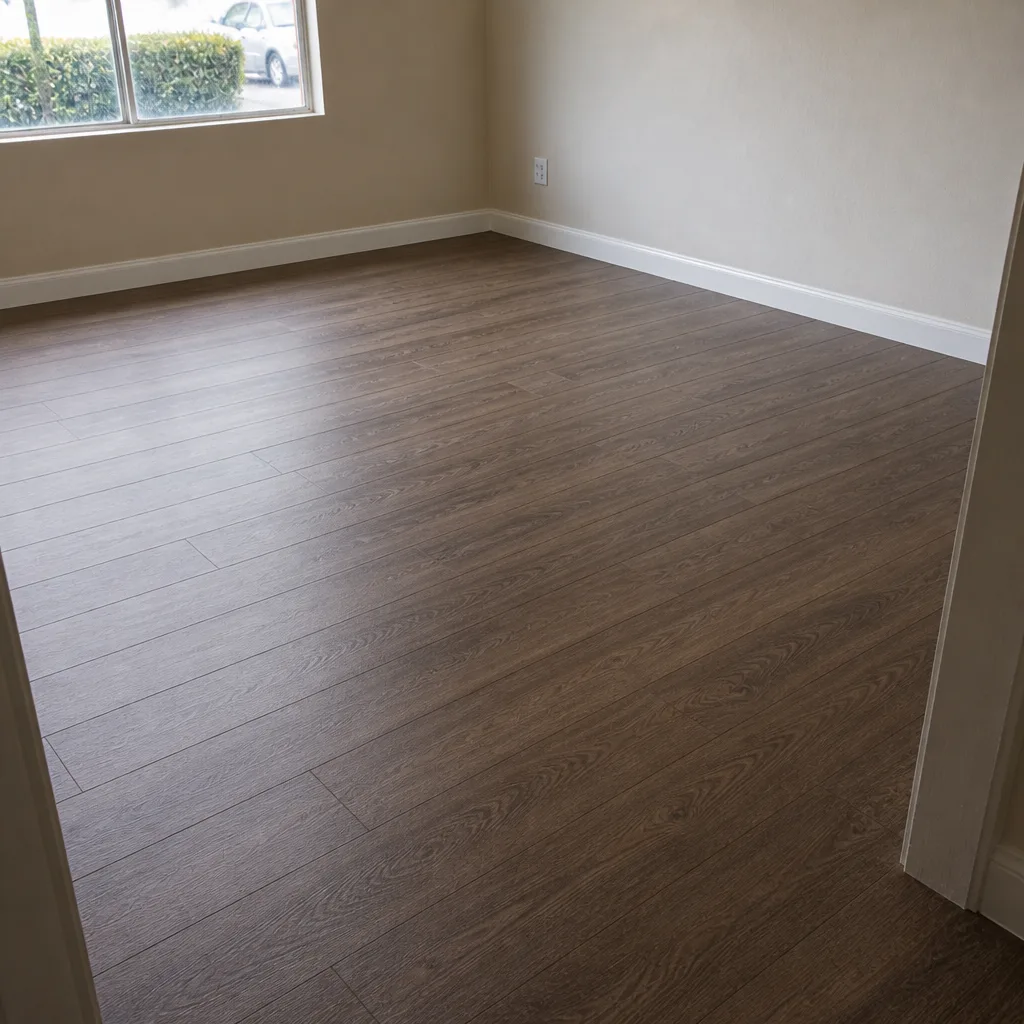 After
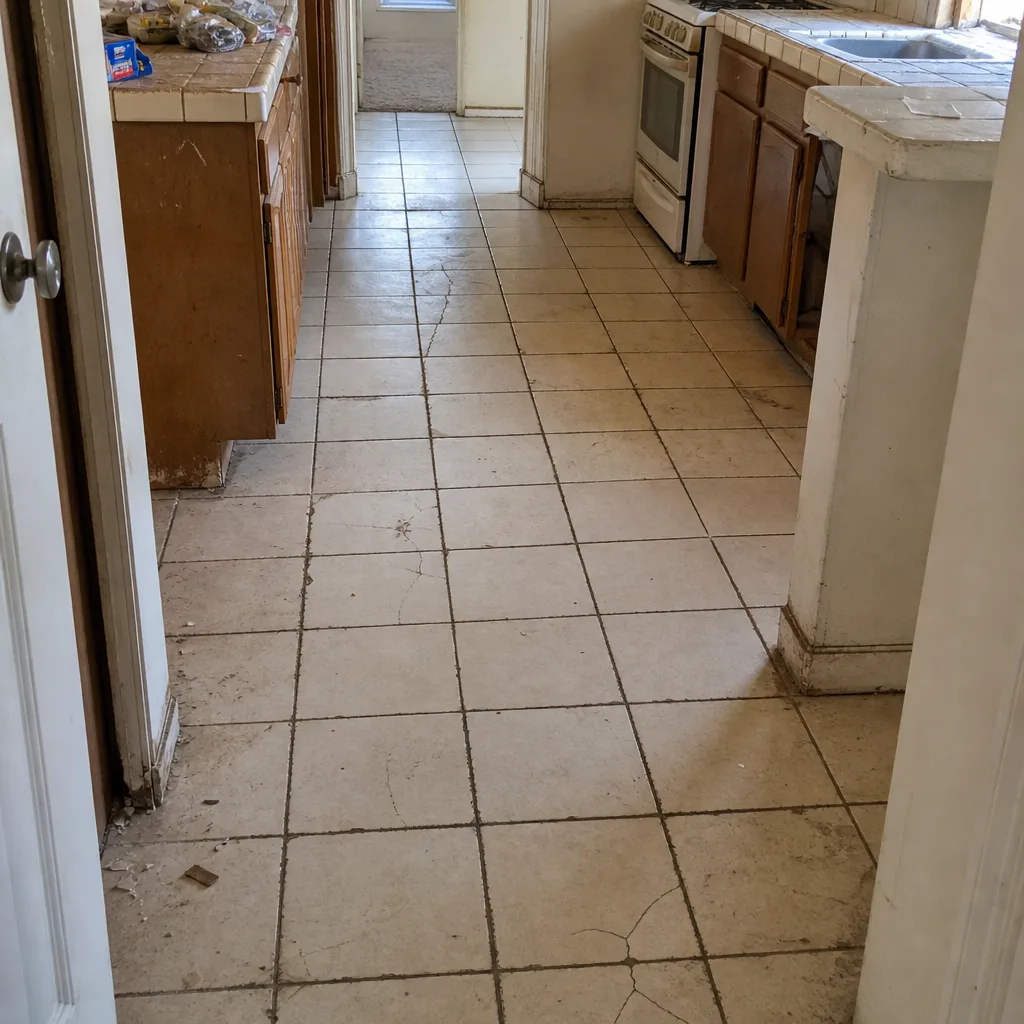 Before
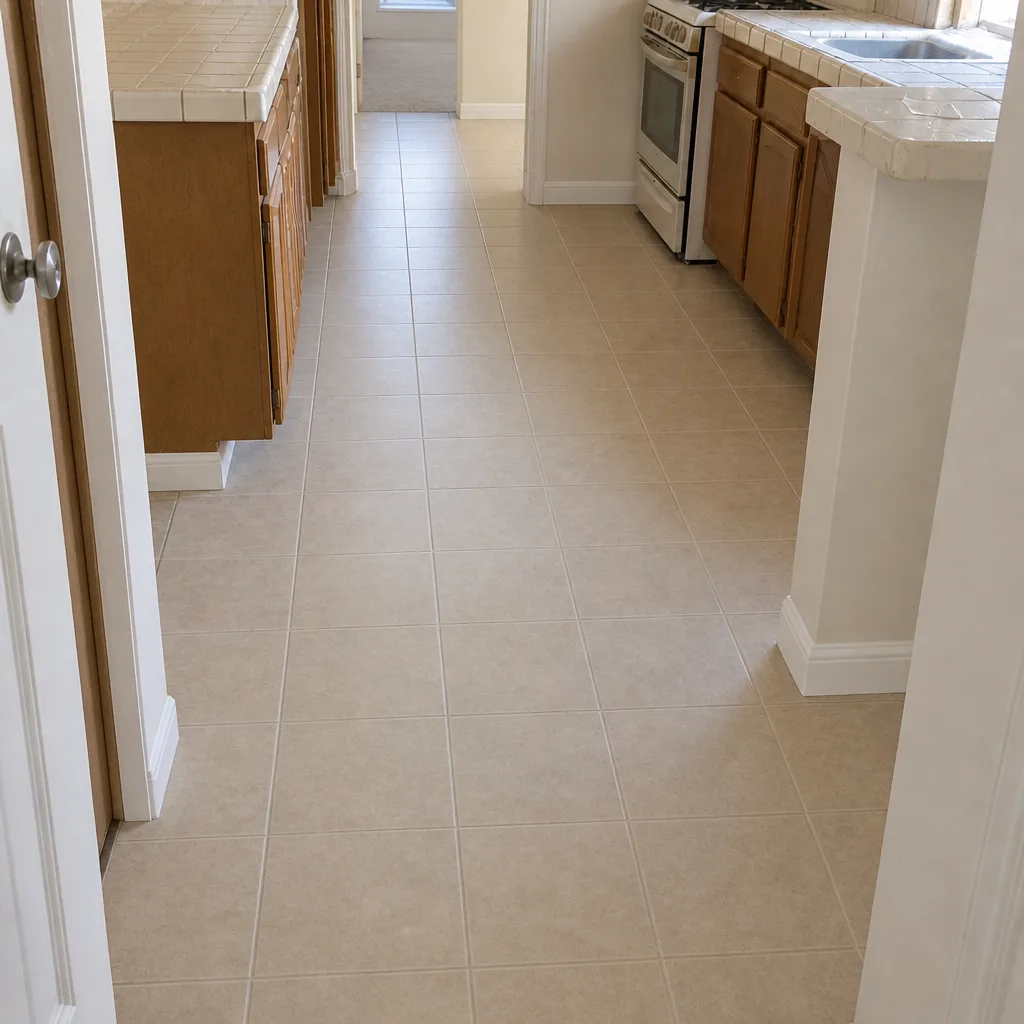 After