
Last updated November 18, 2026
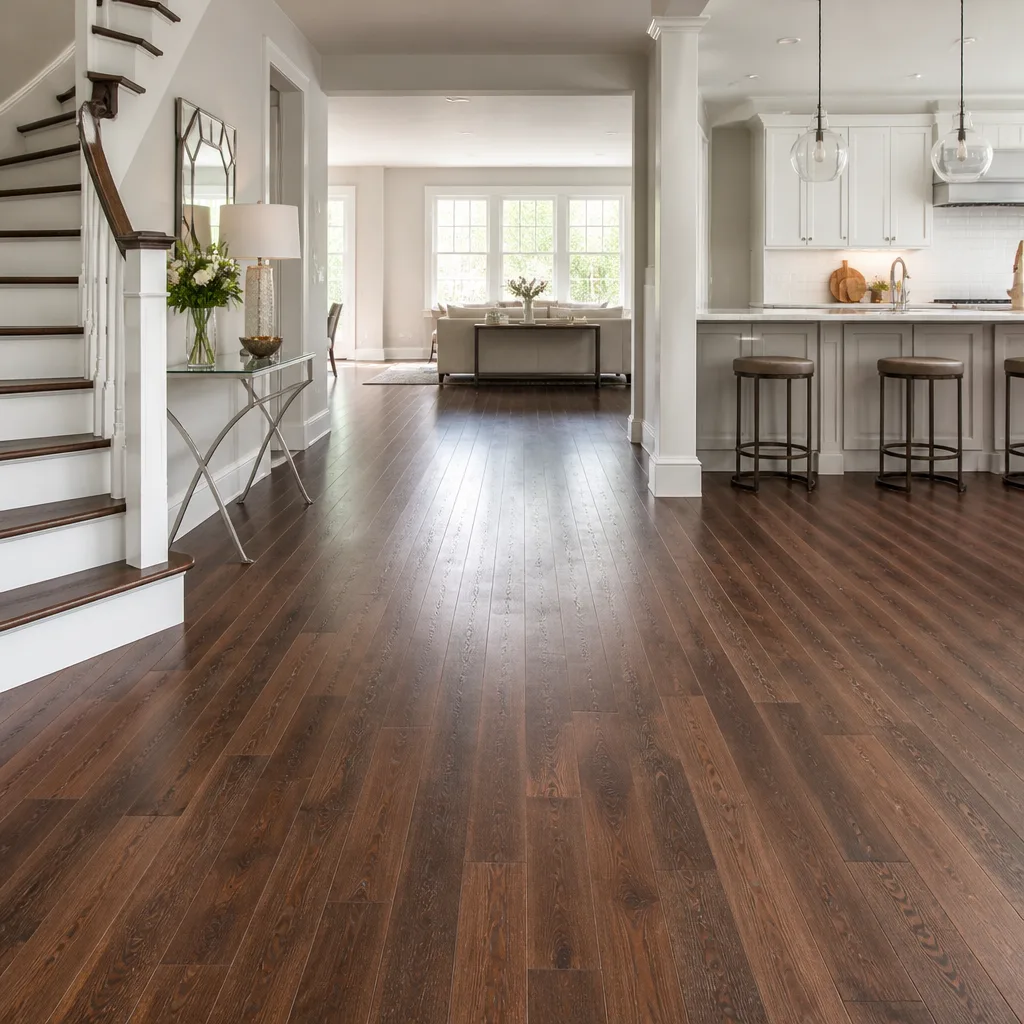 Hardwood
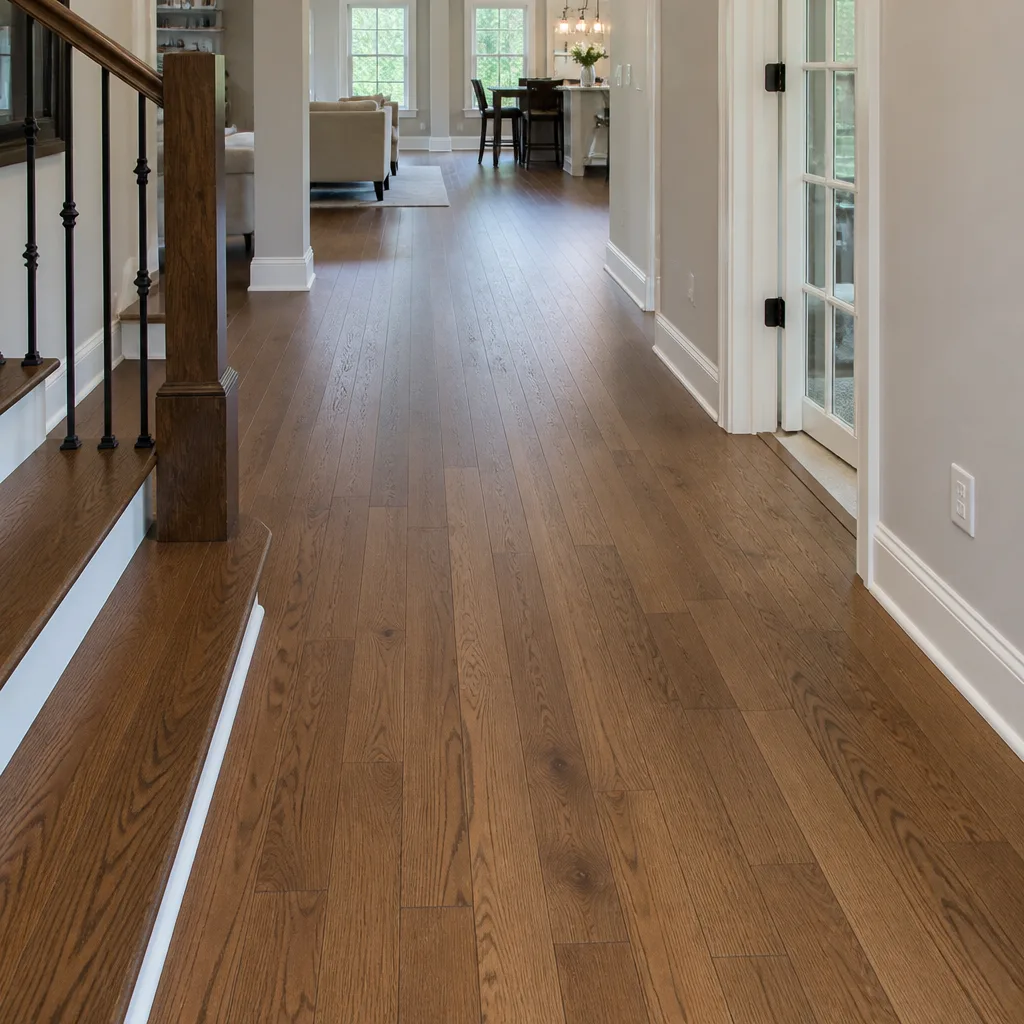 Engineered hardwood
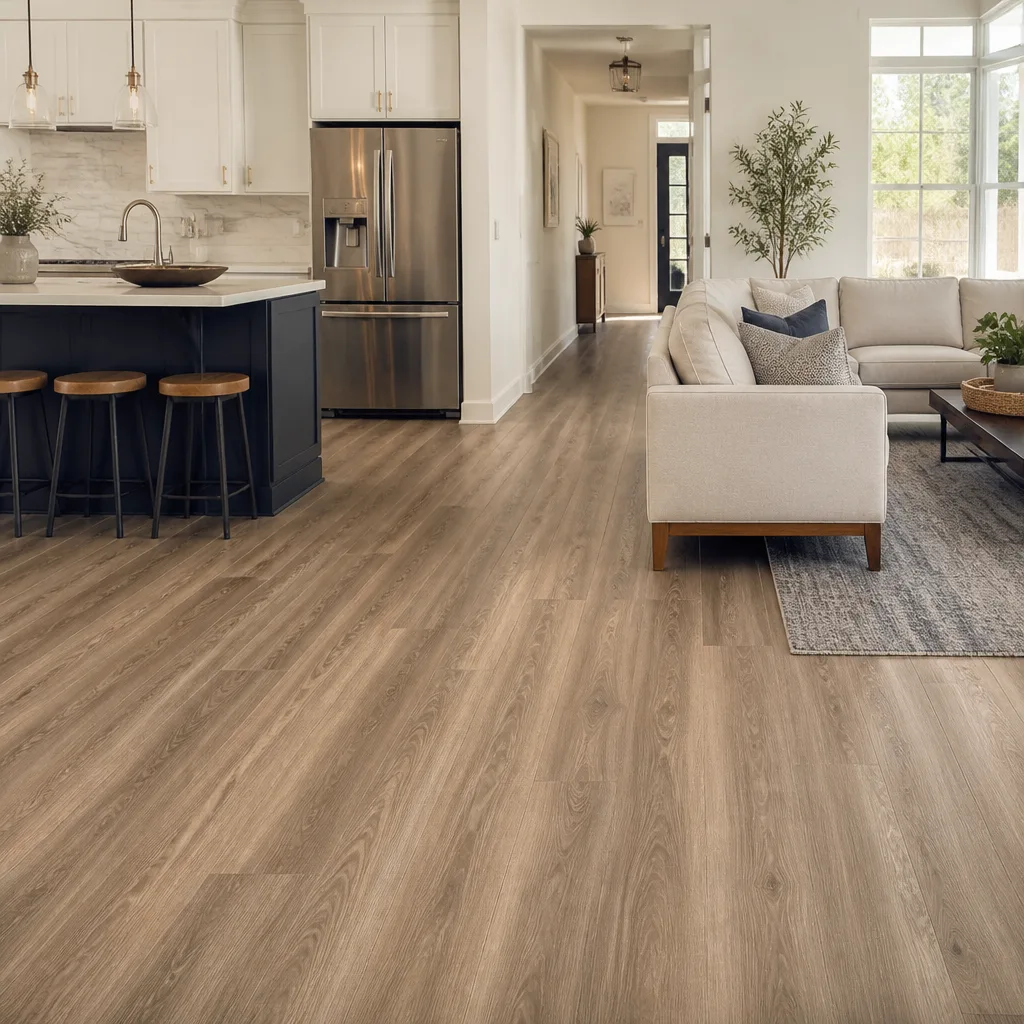 Luxury vinyl plank
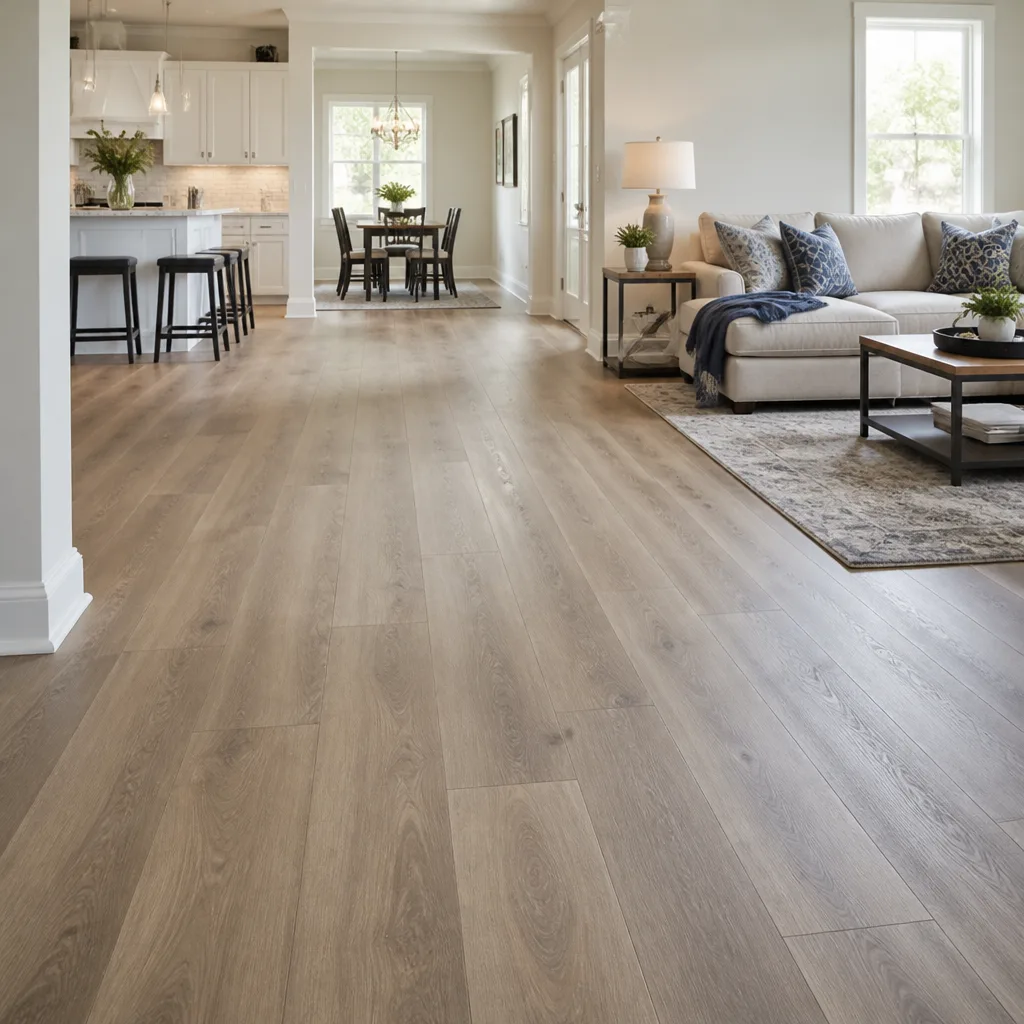 Laminate
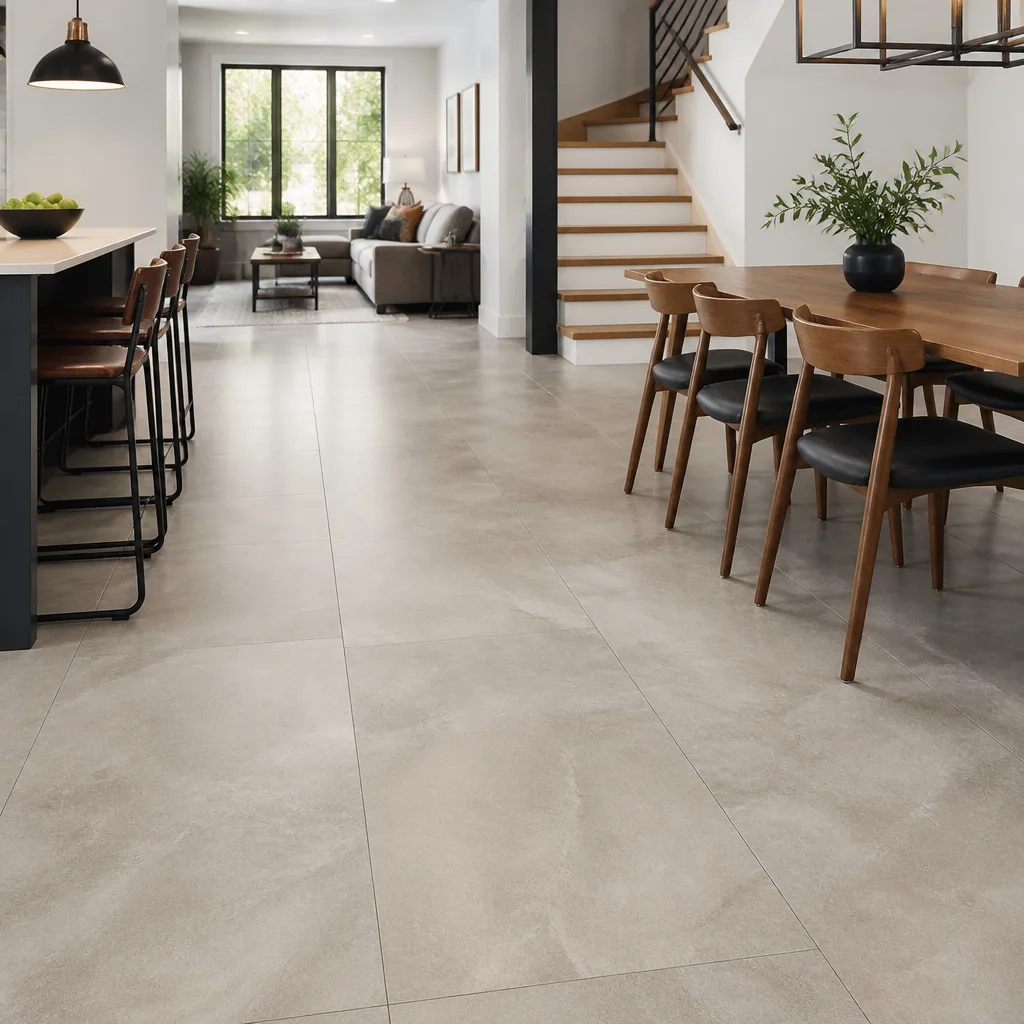 Porcelain tile
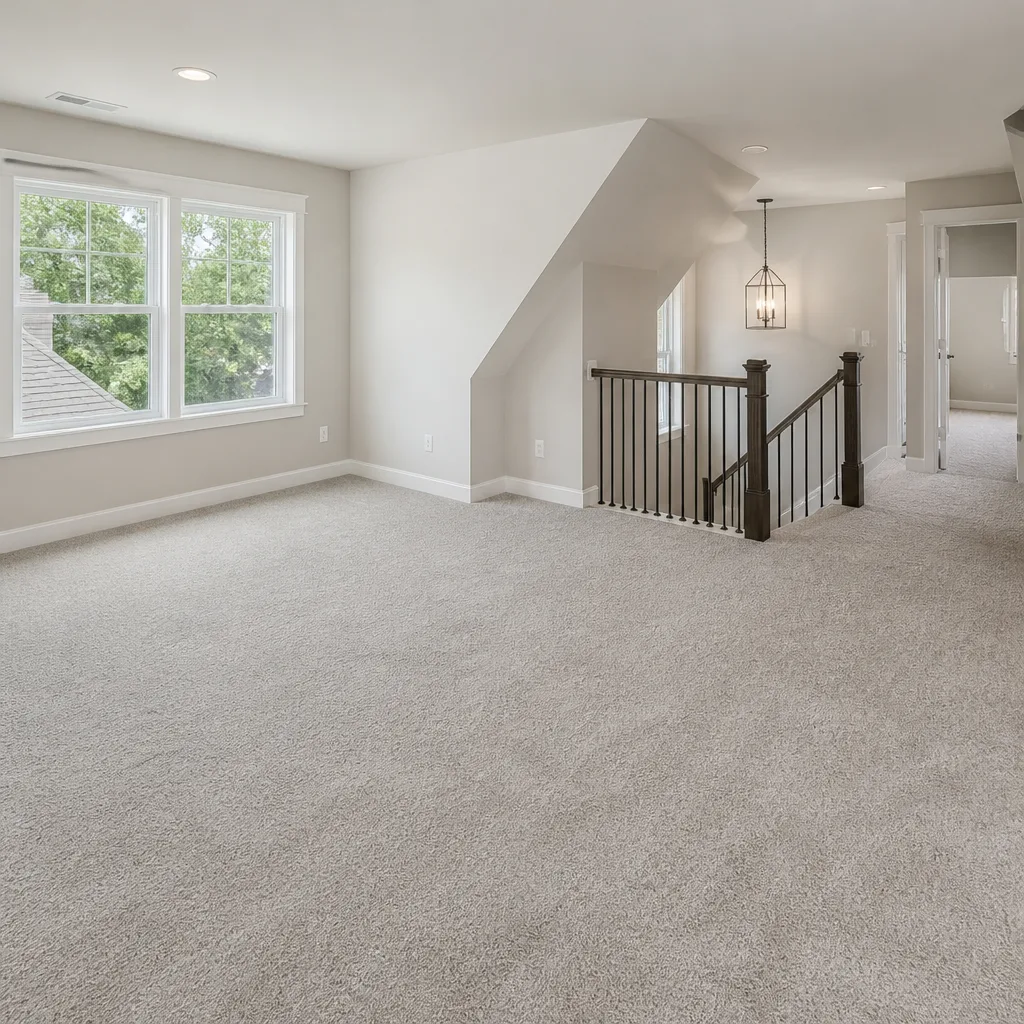 Carpet
 Shaw
 Mohawk
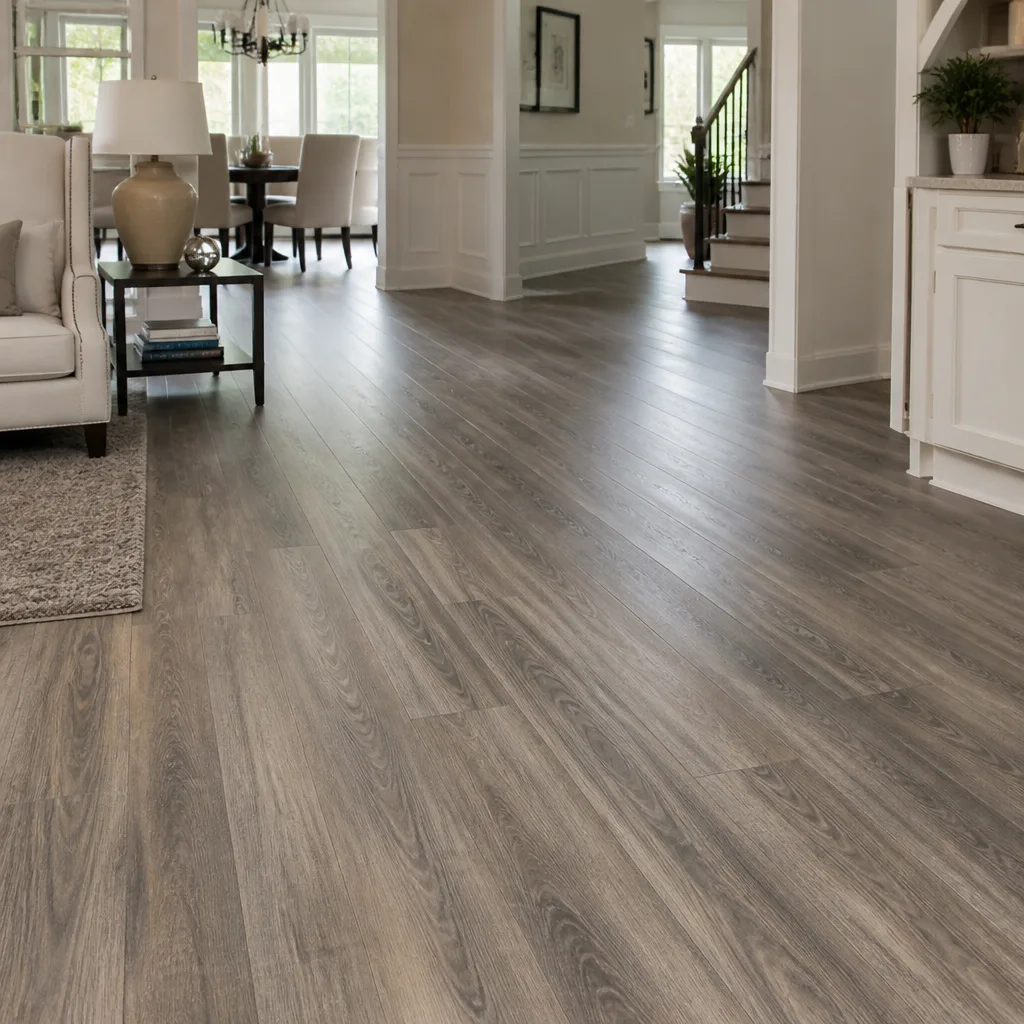 COREtec
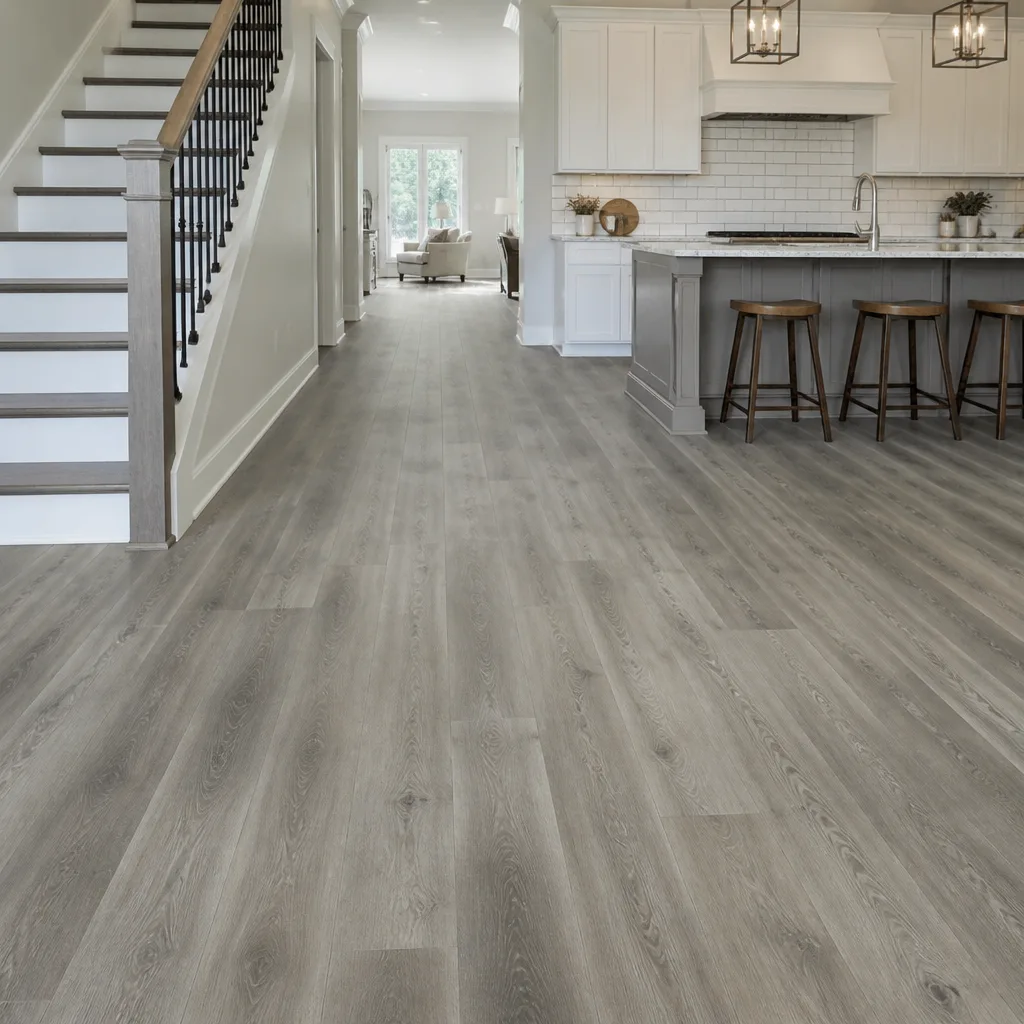 Pergo
Free in-home measure and written estimate: Shaw, Mohawk, COREtec and Pergo lines compared on your own rooms, with carpet, tile, vinyl plank, laminate and hardwood laid out side by side
Get your free estimateChoosing the Right Flooring for Every Room in Las Vegas Homes
Las Vegas bathrooms are a humidity paradox. The outdoor air here is dry enough to crack a wood cutting board, yet a poorly ventilated bathroom in a Las Vegas home can do more moisture damage to a floor than the same bathroom in a humid climate. The reason is cycling: materials in a desert house get repeatedly wet from steam and then rapidly dried by the same dry air that protects the rest of the home. That wet-dry rhythm stresses seams, adhesives and grout in ways steady humidity doesn’t. It’s a good example of why room-by-room flooring decisions here aren’t just about looks. This guide walks through how each space in a Las Vegas home actually behaves, from a 900-square-foot open living area to a laundry room that shares a wall with the garage.
Quick Answer
The best flooring by room in a Las Vegas home depends on heat exposure, moisture cycling, foot traffic and how the space connects to the garage or patio. Tile earns its place in bathrooms, entryways and laundry rooms, water-resistant luxury vinyl such as COREtec works well across open living areas and kitchens, carpet belongs in bedrooms kept cooler than the rest of the house, and hardwood suits living and dining spaces where you’re willing to manage sun and dryness. One flooring type for the whole house is rarely the right answer here.
Styles & brands we work with
- Hardwood
- Engineered hardwood
- Luxury vinyl plank
- Laminate
- Porcelain tile
- Carpet
- Shaw
- Mohawk
- COREtec
- Pergo
Table of Contents
- Open-Plan Living Areas: Why Spans of 600 to 1,000 Square Feet Change the Spec
- The Kitchen Floor in a Desert Home
- Bathrooms and the Steam Paradox
- The Garage-Adjacent Laundry Room Problem
- Master Bedrooms and the Cooler-Room Question
- Patio Doors and Entryways: Where Outdoor Heat Meets Indoor Floor
- Vacation Rentals vs. Primary Homes: Same House, Different Floor Plan Logic
- How to Choose: A Room-by-Room Process
Open-Plan Living Areas: Why Spans of 600 to 1,000 Square Feet Change the Spec
You already know what you want. The tricky part in open-plan Las Vegas homes is that the great room, kitchen and dining area often run together with no walls for 600 to 1,000 square feet. That single continuous slab of floor behaves differently from the same material broken into smaller rooms, and the difference shows up at the seams.
What matters across a long span is expansion performance: how the material reacts when one end of the room sits in direct afternoon sun through a sliding door and the other end stays shaded. A product that performs fine in a 12-by-14 bedroom can telegraph or gap when the same floor covers three times that footprint. Two ways to handle it:
- Choose a dimensionally stable product. Water-resistant luxury vinyl lines such as COREtec are popular in Las Vegas open plans because the core construction handles heat swings better than solid wood and lets a single visual field run from the front door to the back slider.
- Plan the transitions on purpose. A break at a natural threshold, like the edge of the kitchen island zone, gives each field room to move. Random transitions look accidental; planned ones look designed.
Sun exposure across a big span is the other factor people underestimate. West- and south-facing glass in a Las Vegas great room pushes surface temperatures up for hours a day. That’s a reason to talk through sun management with your installer, not a reason to rule anything out. When we walk a home, the first question is which glass faces which direction and how much of the floor it hits.
For customers ready to move from browsing to a real plan, the team behind Las Vegas Flooring Installation measures the actual span at the estimate visit and specs for it. Our technicians have up to 15 years of experience reading how a room’s footprint, glass and traffic pattern work together.
The Kitchen Floor in a Desert Home
A Las Vegas kitchen floor has to handle three things at once: dropped water from the sink, heat from the oven zone, and the constant traffic between the kitchen and the great room it usually opens onto. Tile is the traditional answer here, and it’s a good one. Water-resistant vinyl is the other strong candidate, especially if the kitchen shares a continuous floor with the living area.
Tile in the kitchen
Porcelain and ceramic tile handle spills, tolerate the heat near a range, and hold up to the grit that gets tracked in from a backyard or a garage. Daltile is one of the brands we install, and it’s a sensible starting point for homeowners who want professional-grade tile rather than whatever a big-box aisle happens to stock. Grout lines are the part to think about: wider joints with a modern grout are easier to keep clean in a kitchen than narrow, pale joints that show every drop of cooking oil.
Water-resistant vinyl in the kitchen
Where the kitchen floor runs continuously into the living room, water-resistant luxury vinyl keeps the visual field uninterrupted and is gentler underfoot during long stretches at the counter. It’s worth saying plainly: water-resistant is not waterproof in the sense of “ignore a puddle.” Standing water, a leaking dishwasher line, or moisture coming up from the slab still has to be dealt with. The floor resists; it doesn’t manage water for you.
What to check before you decide
- Is there a dishwasher, ice maker or sink line nearby that could leak under the floor?
- Does the kitchen floor connect to the great room with no wall, or does a threshold break the field?
- How close is the nearest range or wall oven to the traffic path?
- Is the slab flat and dry, or does it need prep first? The estimate visit answers this.
Bathrooms and the Steam Paradox
Here’s the counterintuitive part: a Las Vegas bathroom can suffer more floor moisture damage than one in a humid city, because the dry ambient air pulls water out of materials fast. Rapid wet-dry cycling is harder on grout, seams and wood-based cores than steady, moderate humidity. A shower running twice a day in a bathroom with a weak exhaust fan creates exactly that cycle.
The practical answer is a floor that doesn’t care much about water on its surface. Tile leads the list. Porcelain tile with a properly installed waterproofing membrane beneath it handles steam, splashes and the occasional overflow, and it doesn’t mind the dry cycle either. Water-resistant vinyl is a reasonable second option in a half bath or powder room where there’s no shower. Carpet in a full bathroom is a mistake in any climate, and it’s a bigger mistake here, where the cyclic drying leaves the backing damp on one side and bone dry on the other.
Three things separate a Las Vegas bathroom floor that holds up from one that doesn’t:
- Ventilation first. A working exhaust fan that runs long enough after a shower does more for the floor than any product choice. If yours is weak, that’s the first fix.
- The membrane under the tile. Waterproofing beneath the tile matters more than the tile face. It’s part of the scope, not an upgrade to skip.
- Grout and sealing. Grout choice affects how much water reaches the edges. Your installer should explain what the product instructions require for the tile you pick.
If you’re reworking a bathroom, our tile flooring installation work covers the membrane and prep, not just the visible surface.
The Garage-Adjacent Laundry Room Problem
A common Las Vegas floor plan puts the laundry room on the path between the garage and the kitchen. That location turns a small room into a heat and moisture entry point that most flooring guides never mention. Here’s why it matters: the door to the garage opens and closes dozens of times a week, bringing in hot air in summer and dust and grit year-round. The washer and dryer add humidity and heat on top of that.
This is one of the few rooms where we’d steer most homeowners toward tile or water-resistant vinyl without much hesitation. Both handle a wet dropped towel, a slow supply-line drip and the tracked-in grit from the garage floor. Carpet in this room soaks up everything the family brings in from the car and holds it against the pad.
What to look at before choosing
- Is there a floor drain? A drain changes how you think about water on the floor.
- Where does the washer supply line run, and has it ever been replaced?
- Does the garage door swing straight onto the laundry floor, or is there a step or threshold?
- How much sun does the room get through the garage-side door? Heat gain through that wall is real in a Las Vegas summer.
One more detail: the transition strip at the garage door is under more stress than any other threshold in the house. It sees heat, grit and foot traffic. Plan for a strip that matches the surface hardness of both floors it joins, and have it installed so it doesn’t lift at the edges.
Master Bedrooms and the Cooler-Room Question
Plenty of Las Vegas homeowners keep the master bedroom several degrees cooler than the rest of the house. That temperature differential is a real flooring consideration; it’s not just a comfort preference. A bedroom running noticeably cooler than the great room can affect how a solid wood floor in one room and a vinyl floor in the other expand and contract through the year. It can also affect how a carpet’s backing and pad behave underfoot.
Carpet is still the natural choice for Las Vegas bedrooms, and for good reason. It’s quiet, warm underfoot in a room people walk barefoot, and it takes the softer traffic of a sleeping space. Shaw and Mohawk are two brands we install regularly, and both have broad enough ranges that you can find a carpet matching the room’s actual use rather than the showroom lighting.
Two practical questions for a master bedroom:
- How cool do you keep it? If the bedroom runs well below the rest of the house, mention it. Carpet handles it well; some rigid-core products expand and contract by room. Your installer should know before the order goes in.
- How much morning sun hits the floor? A west- or south-facing bedroom window can bleach a carpet’s color over time. Ask about sun management or choose a color that tolerates fading gracefully.
If the bedroom connects to a bathroom or a walk-in closet, plan the transition at the threshold. Carpet to tile is one of the most common Las Vegas transitions, and a clean metal or wood strip looks intentional where a raw edge looks rushed.
Patio Doors and Entryways: Where Outdoor Heat Meets Indoor Floor
The place a Las Vegas home takes the most abuse is the strip where the outside comes in. Covered patios, front entries and slider doors all funnel heat, dust and grit onto a few square feet of floor. That concentrated load is why entryway flooring should be chosen on surface hardness rather than on looks alone.
Tile earns the top spot here. A porcelain tile at an entry handles the grit that comes in on shoes, the heat that pours through the door when it opens, and the occasional wet umbrella in the winter months. Daltile is one brand we source for exactly this kind of work; it’s a professional-grade tile line that holds up to residential traffic without fussing over it. Water-resistant vinyl is a solid alternative where you want the entry floor to match the living room floor across a longer sight line. Hardwood at a front entry needs more caution: sun through a glass door and tracked-in grit are the two things that wear a wood finish fastest.
How to plan a transition zone
- Measure how much sun the door receives. A west-facing slider and a shaded north-facing door aren’t the same problem.
- Choose a hard surface for the first few feet inside the door, even if it’s a different material from the rest of the room.
- Keep the transition strip flush so nobody trips on it and the vacuum glides over it.
- Plan how grit gets trapped before it reaches the softer floor beyond. A mat at the door does real work here.
For larger tile layouts at entries and patios, tile flooring installation in Las Vegas is one of the disciplines our technicians handle most often, and the one where the transition plan matters most.
Vacation Rentals vs. Primary Homes: Same House, Different Floor Plan Logic
A Las Vegas house used as a vacation rental gets used differently from a primary home, and the flooring should reflect that. In a rental, every room takes on the traffic pattern of a hallway: guests arrive with luggage, walk in from the pool, move through the kitchen at odd hours, and leave. Bedrooms in a rental see less quiet barefoot time and more luggage being dragged across the threshold.
That pattern changes the carpet decision. In a primary home, a plush carpet in the master bedroom is a fair choice. In a rental, a lower-pile, tighter construction is usually more practical for bedrooms because it handles luggage wheels, repeated vacuuming and the occasional spilled drink better. Shaw and Mohawk both build rental-appropriate carpet ranges; ask your installer to steer toward tighter construction rather than maximum softness.
The same logic applies across the rest of the house:
- Living areas: water-resistant vinyl such as Karndean or COREtec buys you forgiveness from tracked-in water and sand from the pool.
- Bathrooms: tile with a membrane below, no exceptions. Rental bathrooms get more use per square foot than primary-home bathrooms.
- Hallways: the hardest-used zone in any rental. Choose the same hard surface as the living area and skip carpet in the hall.
- Closets and thresholds: the spots most likely to be ignored on the estimate visit, and the spots most likely to fail first.
If you already know you want COREtec or a particular Shaw carpet for a rental, say so up front. We install the floor you choose, not whatever’s closest at hand, and we’ll tell you at the estimate whether your pick suits the room’s use.
How to Choose: A Room-by-Room Process
Step-by-step, here’s the order we’d walk a Las Vegas homeowner through. It’s the same order we use on a free estimate visit.
- Map the traffic. Walk the house with a notepad. Mark every entrance, every path between rooms, and every door that opens to the outside. Traffic maps beat mood boards.
- Mark the moisture sources. Bathrooms, laundry, kitchen sink, garage door, patio slider. Every one of these gets a moisture-resistant floor or a plan for managing water.
- Note the sun. Which windows face west or south and how much of the floor they hit through the day. Sun exposure influences everything from color choice to product type.
- Check the slab. Las Vegas homes sit on slab foundations, and slabs aren’t always flat or dry. The installer measures flatness and moisture at the estimate. Product instructions and the written estimate set what prep is required.
- Match product to room. Tile in bathrooms, laundry, entries. Water-resistant vinyl across open living areas and kitchens. Carpet in bedrooms. Hardwood where you’ll manage sun and dryness.
- Plan the transitions. Every room-to-room change needs a strip. Plan them where they look intentional.
- Get the written estimate. The written quote sets the final price. Read it before you commit, and ask which prep items are included.
Comparing the four main choices by room
- Carpet: Bedrooms, closets, stairs if you have them. Warm, quiet, softer underfoot. Best in rooms that stay cool.
- Water-resistant vinyl (COREtec, Karndean, LifeProof): Open living areas, kitchens, laundry, entries. Handles heat swings and moisture better than wood-based products.
- Tile (Daltile and similar): Bathrooms, laundry, entries, patios transitions. Hardest surface, coolest underfoot, the most forgiving of water.
- Hardwood: Living rooms and dining rooms where you’re prepared to manage sun. Refinishing is restoration, not replacement, so an existing wood floor is worth a close look before you tear it out.
Our work in Las Vegas covers carpet, tile and hardwood refinishing. That means a homeowner can plan a whole-house flooring change without juggling three contractors, and each surface is spec’d for the room it lands in.
Common Mistakes to Avoid
- Choosing one flooring type for the entire house. A single surface rarely fits a Las Vegas home’s bathrooms, open great room and bedrooms equally well. Match the material to the room’s moisture, heat and traffic, then look for visual consistency across the transitions.
- Treating “water-resistant” as “waterproof.” Water-resistant luxury vinyl handles spills and steam, but standing water and moisture from below still have to be dealt with. A leak under a water-resistant floor is still a leak.
- Ignoring the laundry-to-garage door. This transition gets hammered in Las Vegas homes and rarely gets planned for. A carpet pad at that door is a decision you’ll revisit.
- Skipping the slab check. Slabs in Las Vegas aren’t always flat, and prep requirements vary by product. Product instructions and the written estimate set what’s needed; guessing leads to a floor that telegraphs or lifts.
- Forgetting sun exposure. A west-facing great room or bedroom window changes how a floor wears and how its color holds. Note it before picking a product and a color.
- Using a rental’s bedroom carpet like a primary home’s. Tighter construction beats plush in a rental, where luggage and repeated cleaning are the constant.
- Planning transitions after the install is booked. Transitions need to be in the estimate, not improvised at the end. That’s the difference between a floor that reads as planned and one that reads as patched.
See the difference
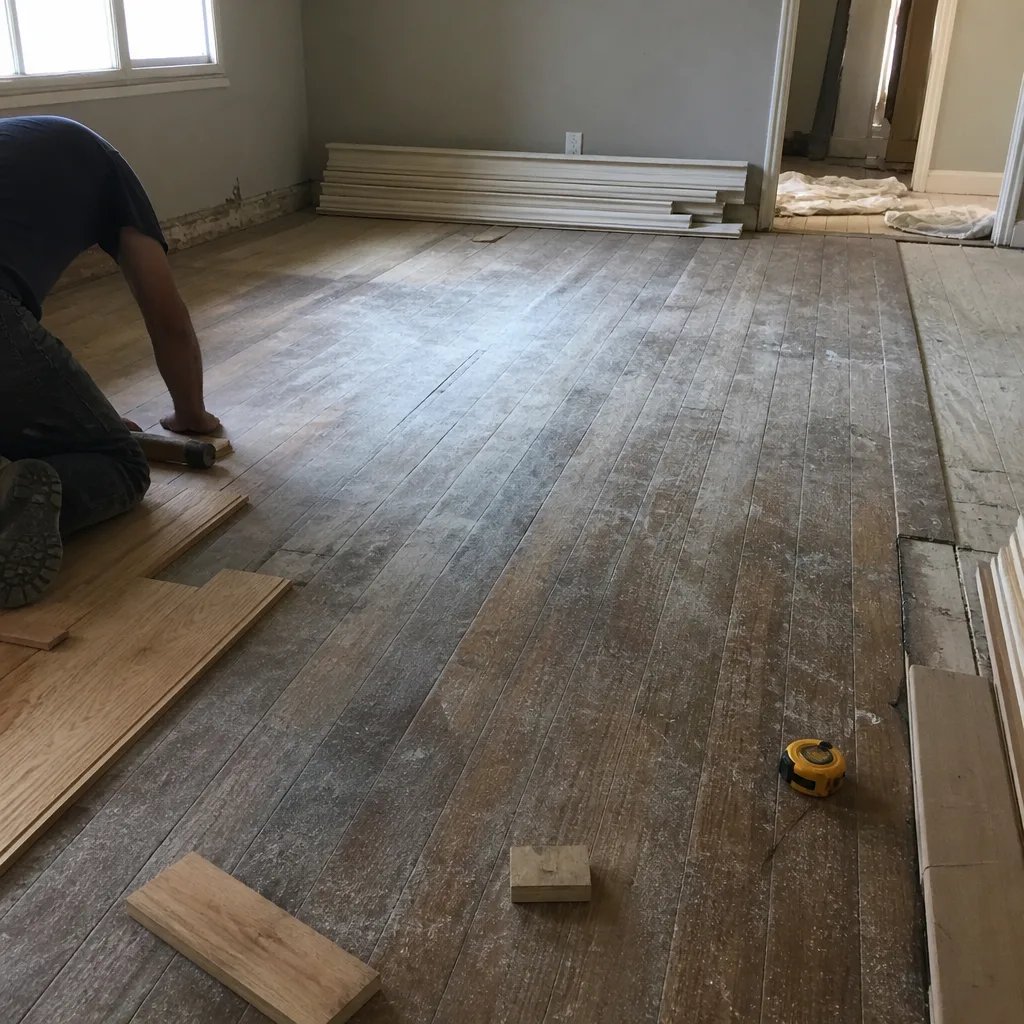 Before
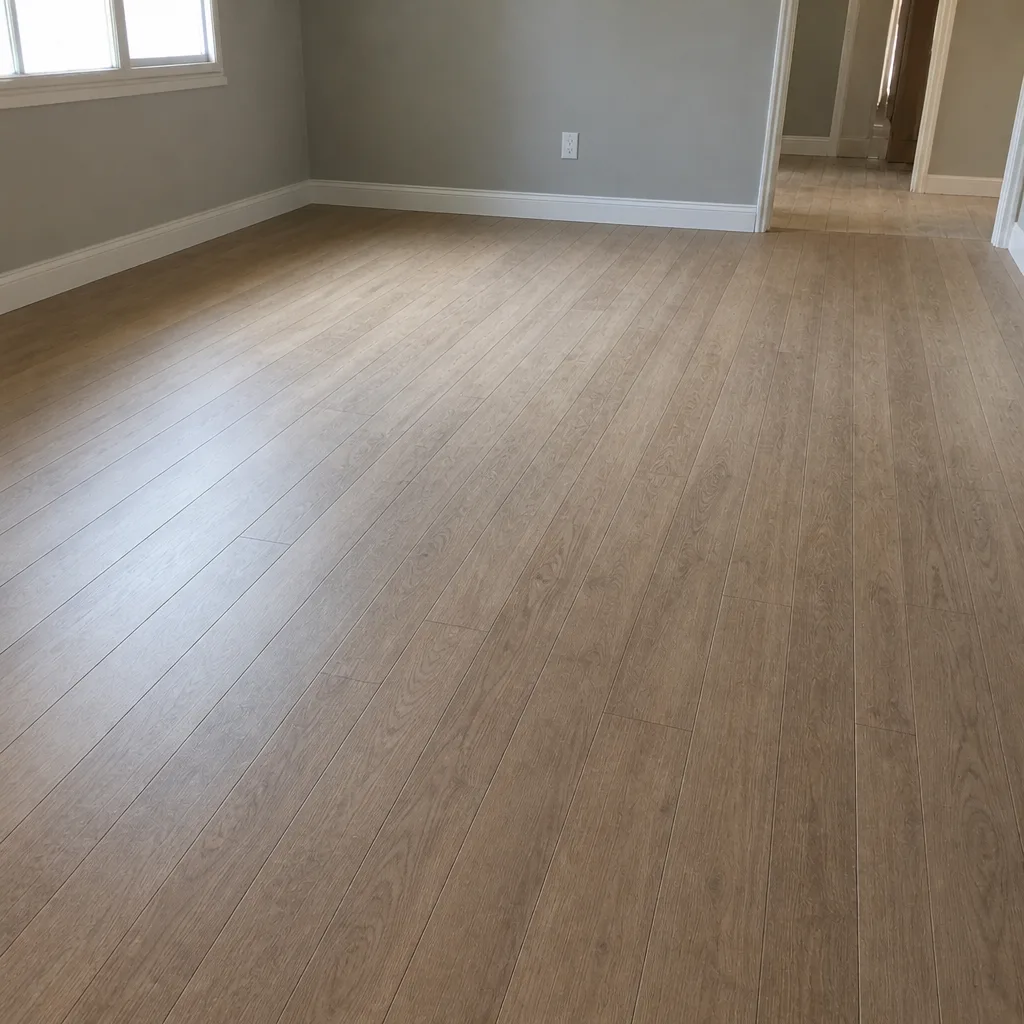 After
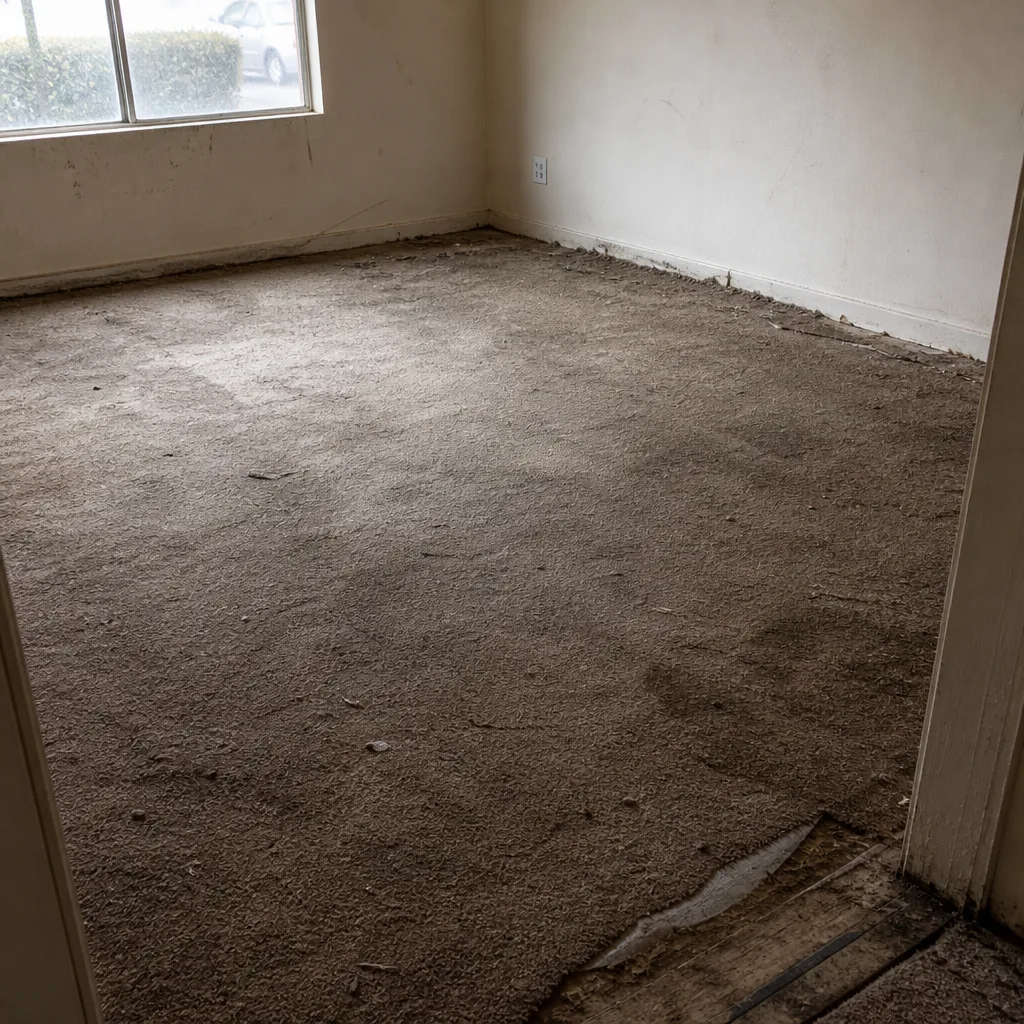 Before
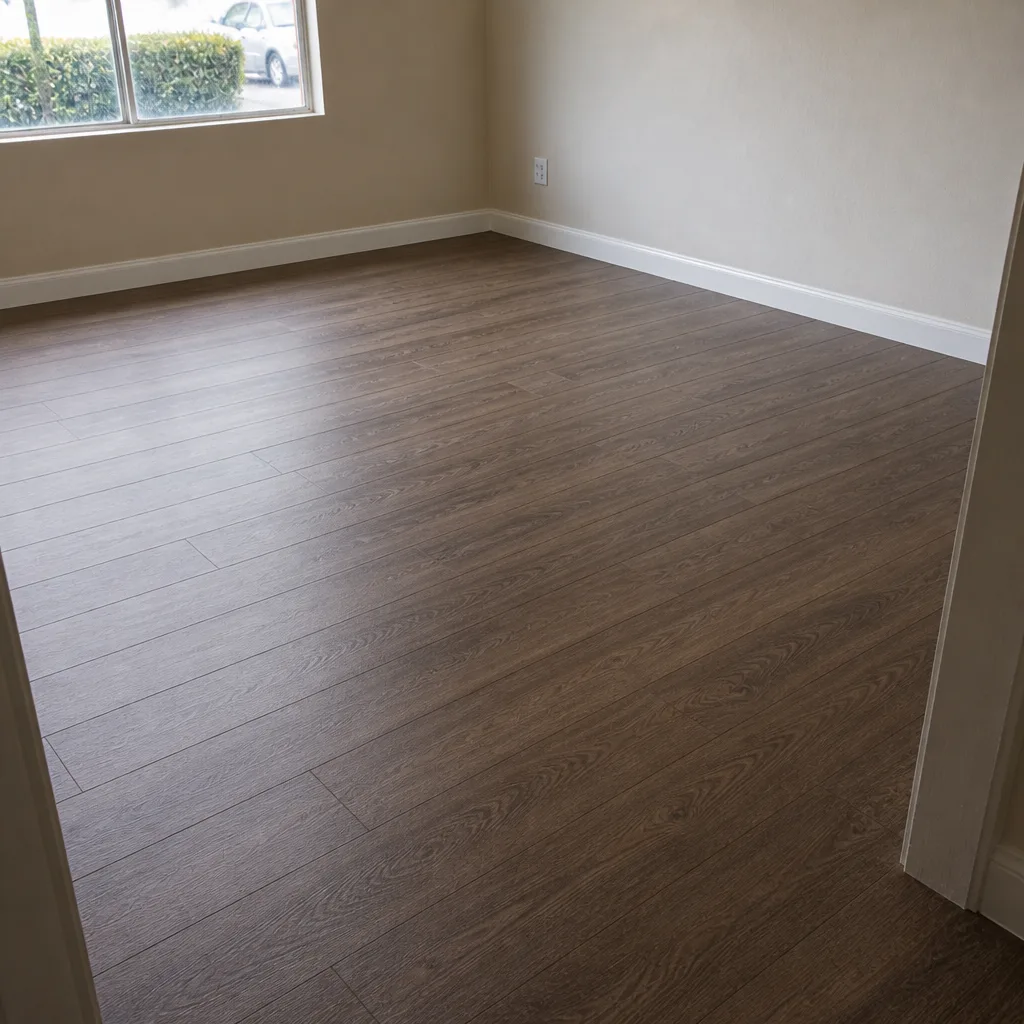 After
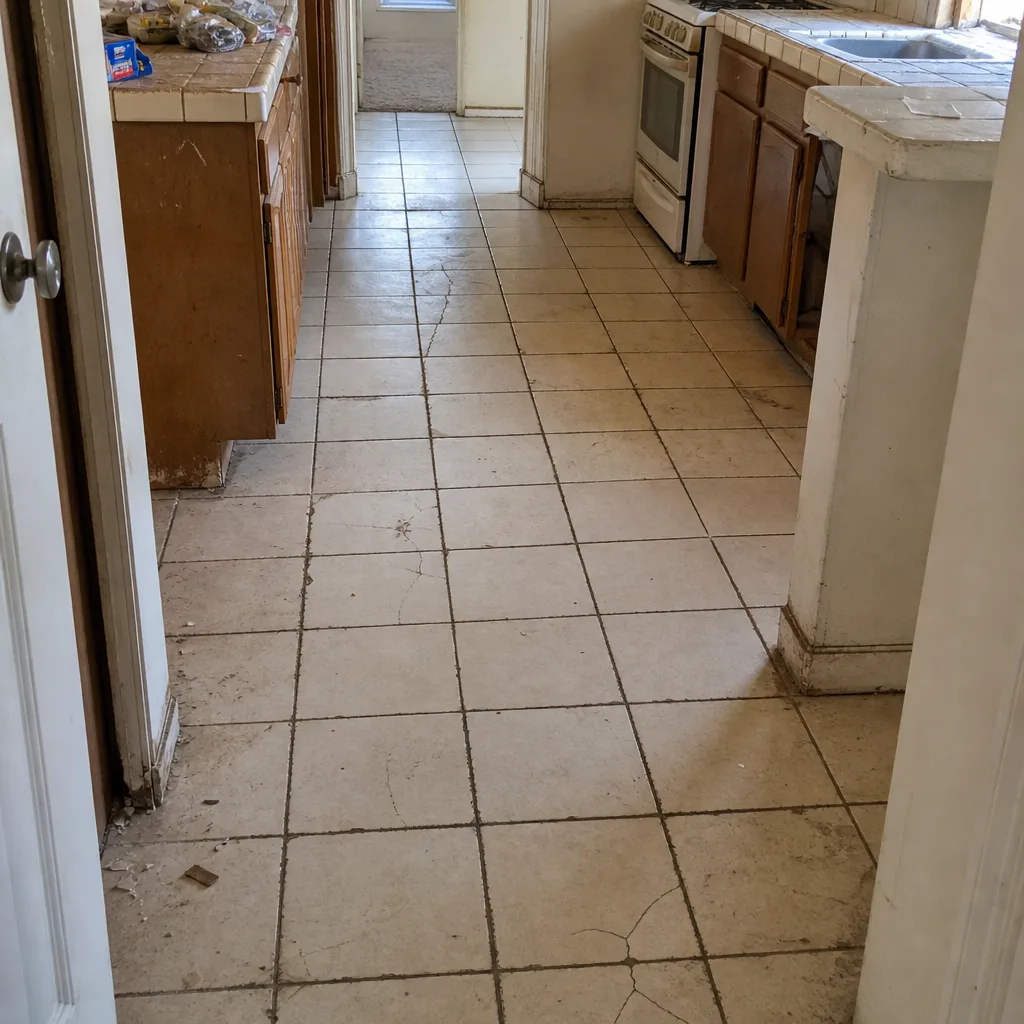 Before
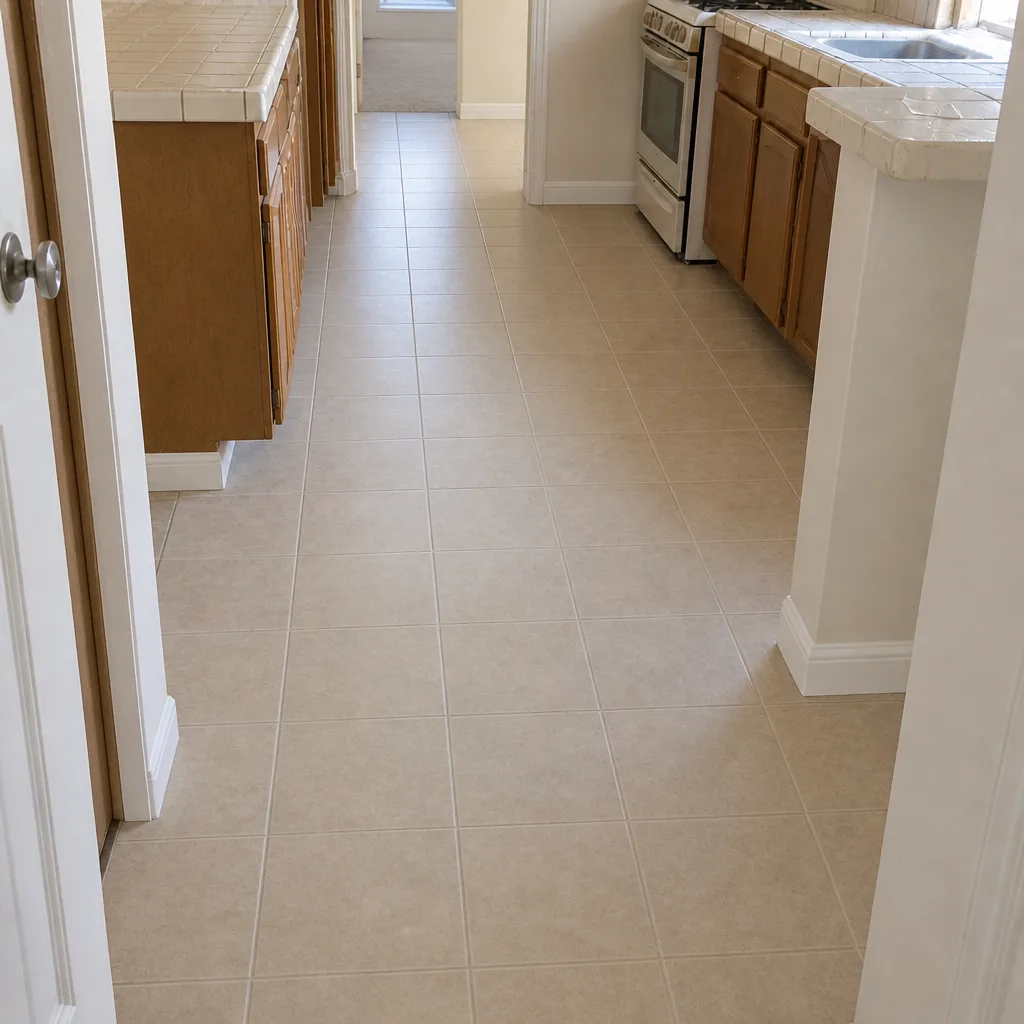 After
When to Call a Professional
Call for an estimate when the job involves a wet room of any kind, an open span over about 600 square feet, a slab that needs checking, or a transition between different materials at a door. Call if you already know the brand you want and need an installer who can source and work with it. Call if you’re deciding between tearing out an existing floor and refinishing it, because that answer requires eyes on the wood’s thickness and condition. Hardwood refinishing, tile membranes and slab prep aren’t weekend projects, and a flooring install is a scheduled job: a free in-home measure and estimate first, a written price, then a booked install day. Las Vegas Flooring Installation offers free estimates in Las Vegas. Call (888) 268-1308.
For the rooms where carpet makes sense, our carpet installation work pairs with the rest of the house plan. If you’d rather start with the overview, the main Las Vegas Flooring Installation page walks through the disciplines we cover. And for the broader city picture, the local page on Las Vegas is a good next stop.
Frequently Asked Questions
There isn’t one best floor for a Las Vegas home, because the rooms behave differently. Tile in bathrooms and laundry, water-resistant vinyl in open living areas and kitchens, carpet in bedrooms, and hardwood in living and dining spaces where you’ll manage sun. The room decides the material, not the other way around. Call (888) 268-1308 for a walkthrough specific to your floor plan, and estimates are free.
Tile is the better choice for a full bathroom in Las Vegas, because it handles the wet-dry cycling from shower steam better than any wood-based product. A proper waterproofing membrane beneath the tile matters more than the tile itself. Vinyl is reasonable in a powder room without a shower. Call (888) 268-1308 for an exact quote; estimates are free.
Yes. The dry air pulls moisture out of wood, and the rapid cycling between summer heat and indoor cooling stresses the floor’s expansion and contraction. Hardwood is still a good choice in the right rooms, but it needs sun management and, in our experience, a closer eye on indoor humidity. Whether an existing floor can be refinished depends on the wood’s thickness and condition, checked at the estimate visit. Call (888) 268-1308 to book one.
Because those rooms take the outside indoors. The garage-adjacent laundry room and the front entry both see grit, heat and the occasional wet foot traffic, and tile handles all three without much fuss. The transition strip at the door gets more stress than any threshold in the house. Call (888) 268-1308 for a free estimate on transitioning those rooms.
The schedule for a full install is set at the estimate, once the rooms, materials and prep are on the table. A single room takes less time than a whole-house plan, and prep item requirements affect the timeline for every room. Call (888) 268-1308 to schedule the free in-home measure and estimate.
Yes. The in-home measure and estimate are free, and the written quote sets the final price. We’re licensed and insured, and you’ll have the number in writing before any install day is booked. Call (888) 268-1308. We answer 24/7, and fast dispatch from 7am to 7pm runs Sunday through Friday.
The Bottom Line
Choosing flooring for a Las Vegas home is a room-by-room decision, not a brand-of-the-moment one. Tile for bathrooms, laundry and entries. Water-resistant vinyl across the open living areas and kitchens that dominate a Las Vegas floor plan. Carpet in bedrooms, with tighter construction where the traffic runs harder. Hardwood where you’ll manage sun and refinished where the wood allows. The common mistakes are choosing one surface for the whole house, treating water-resistant as waterproof, and leaving transitions out of the plan. Get the slab checked and the transitions planned at a free estimate, and the floor you choose will hold up to the way the house is actually used.
Call (888) 268-1308 to talk through your rooms with the team.
Written by the team at Las Vegas Flooring Installation.